How To Say Bicth In Spanish
Ever found yourself in a situation where you REALLY needed to express, shall we say, strong disapproval in Spanish? Like when the mercado guy tries to charge you triple for those perfect avocados, or when your abuela insists on pinching your cheeks one more time? Yeah, we've all been there. Knowing how to navigate the sometimes-colorful world of Spanish insults is a valuable life skill, even if you hope to never actually use them (much).
Think of it like this: you wouldn't go hiking without a map, would you? Similarly, you shouldn't stroll through a Spanish-speaking country without knowing how to identify (and maybe, just maybe, avoid) a few choice words. It's about understanding the landscape, comprende?
So, About That "B" Word...
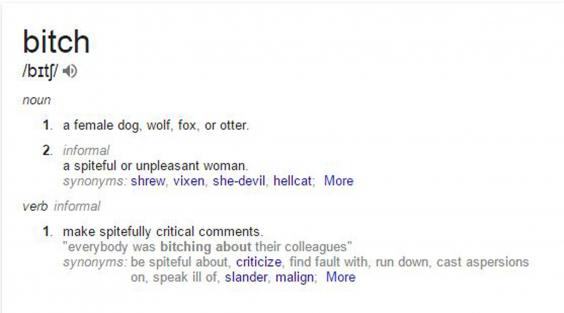
Okay, let's address the elephant in the habitación. You want to know how to say "bitch" in Spanish. Now, there isn't a direct, one-to-one translation that carries the exact same weight and nuance as the English word. But fear not, my friend! Spanish is a language rich with options, offering a whole arsenal of creative and impactful alternatives.
Must Read
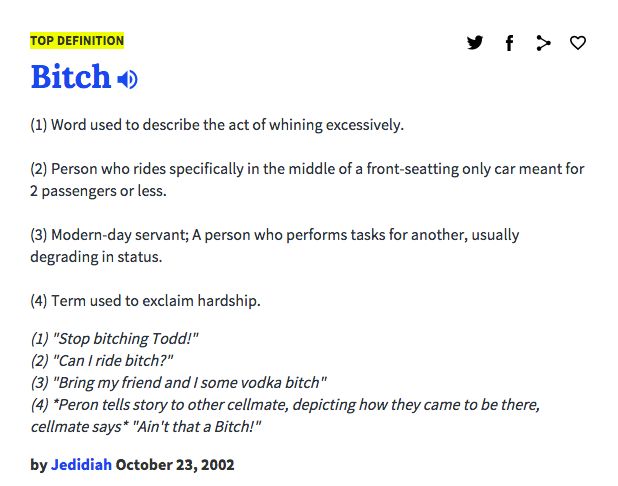
First, let's get the closest equivalent out of the way: "perra." Literally, it means "female dog." And yes, it can be used to call someone a "bitch." However, be warned! "Perra" can be quite harsh, and its impact depends heavily on the context, tone of voice, and relationship with the person you're addressing. Using it lightly is like bringing a bazooka to a water gun fight – possibly overkill.

More Nuanced (and Sometimes Funnier) Options
The beauty of Spanish lies in its ability to convey a spectrum of emotions with just a few well-chosen words. Instead of going straight for the jugular, consider these options that range from playfully insulting to downright scathing:
- "Tonta" or "Idiota": These translate to "silly" or "idiot." They're relatively mild and can be used in a playful or exasperated way. Imagine your friend spills wine all over your new white shirt. "¡Ay, tonta! Look what you've done!" It's a gentle scolding, not a declaration of war.
- "Estúpida": A slightly stronger version of "tonta," meaning "stupid." Still not as aggressive as "perra," but definitely conveying more frustration. Think of it as the level-up from "tonta."
- "Pesada": This one is interesting. It means "heavy" or "annoying." You'd use it for someone who's being a pain in the butt, constantly bothering you. Like that coworker who keeps asking you to help them with their Excel spreadsheets, even though you've told them a million times you don't know Excel. "¡Eres muy pesada!"
- "Maleducada": This translates to "ill-mannered" or "rude." Perfect for situations where someone is being disrespectful. Like when someone cuts in line at the tortilleria. "¡Qué maleducada!"
- "Sinvergüenza": Now we're getting somewhere! This one means "shameless" or "without shame." It's perfect for calling out someone who's acting entitled or taking advantage of a situation. Think of a politician caught in a scandal. "¡Qué sinvergüenza!"
Context is King (or Queen, Reina)
Remember, the power of any insult lies in how you deliver it. Tone of voice, body language, and the specific situation all play crucial roles. A word that's hilarious between close friends could be deeply offensive to a stranger. Using "perra" jokingly with your best friend is one thing, shouting it at your boss is a very different story. Use discretion and choose your battles wisely.
Think of Spanish insults as spices. A little can add flavor and zest to a conversation, but too much can ruin the whole dish. Knowing your audience and the context is key to using them effectively (or, ideally, avoiding them altogether!). Learning these terms helps you understand conversations and the culture surrounding you and not as much to add to the fire. Practica con cuidado!
Ultimately, the best way to avoid needing these words is to practice kindness, patience, and a good sense of humor. But hey, it never hurts to be prepared, right?