How To Sand 3d Prints Smooth

There's a special kind of magic that happens when you bring a digital design into the real world with a 3D printer. One moment it's pixels on a screen, the next it's a tangible object in your hand! But let's be honest, those initial prints, with their characteristic layer lines, can sometimes look a little… well, 3D printed. That's where the art of sanding steps in, transforming your raw creation into something truly spectacular. It’s not just a chore; it’s the satisfying final flourish that elevates your work from a prototype to a polished masterpiece.
So, why bother with sandpaper and elbow grease? The benefits are manifold, touching various aspects of our everyday interaction with these creations. First and foremost, sanding makes your prints look professional and aesthetically pleasing. No more obvious striations; just smooth, continuous surfaces that scream quality. This isn't just about vanity; it makes objects feel better in your hand, reducing friction and preventing rough edges from snagging. Imagine a custom phone holder that feels luxurious, or a cosplay prop that looks like it stepped right out of the screen. Beyond mere looks, smooth surfaces are also easier to paint and finish, allowing primer and paint to adhere uniformly without pooling in layer gaps. For functional parts like gears or enclosures, smooth surfaces can significantly improve fit and movement, ensuring your creations work as intended.
You'll find the need for a smooth finish in countless applications. Think about the incredible props and cosplay items that grace conventions – often, they start as multi-part 3D prints painstakingly sanded to seamless perfection. Custom tools, ergonomic handles, stylish home decor like vases or sculptures, and even functional prototypes for engineers all benefit from a sleek, refined look. Want to make a unique gift that doesn't scream "homemade"? A beautifully sanded and finished 3D print elevates it to a thoughtful, high-value item. From intricate miniatures requiring a flawless canvas for painting to robust enclosures needing a clean, professional edge, the application of sanding is widespread and essential.
Must Read
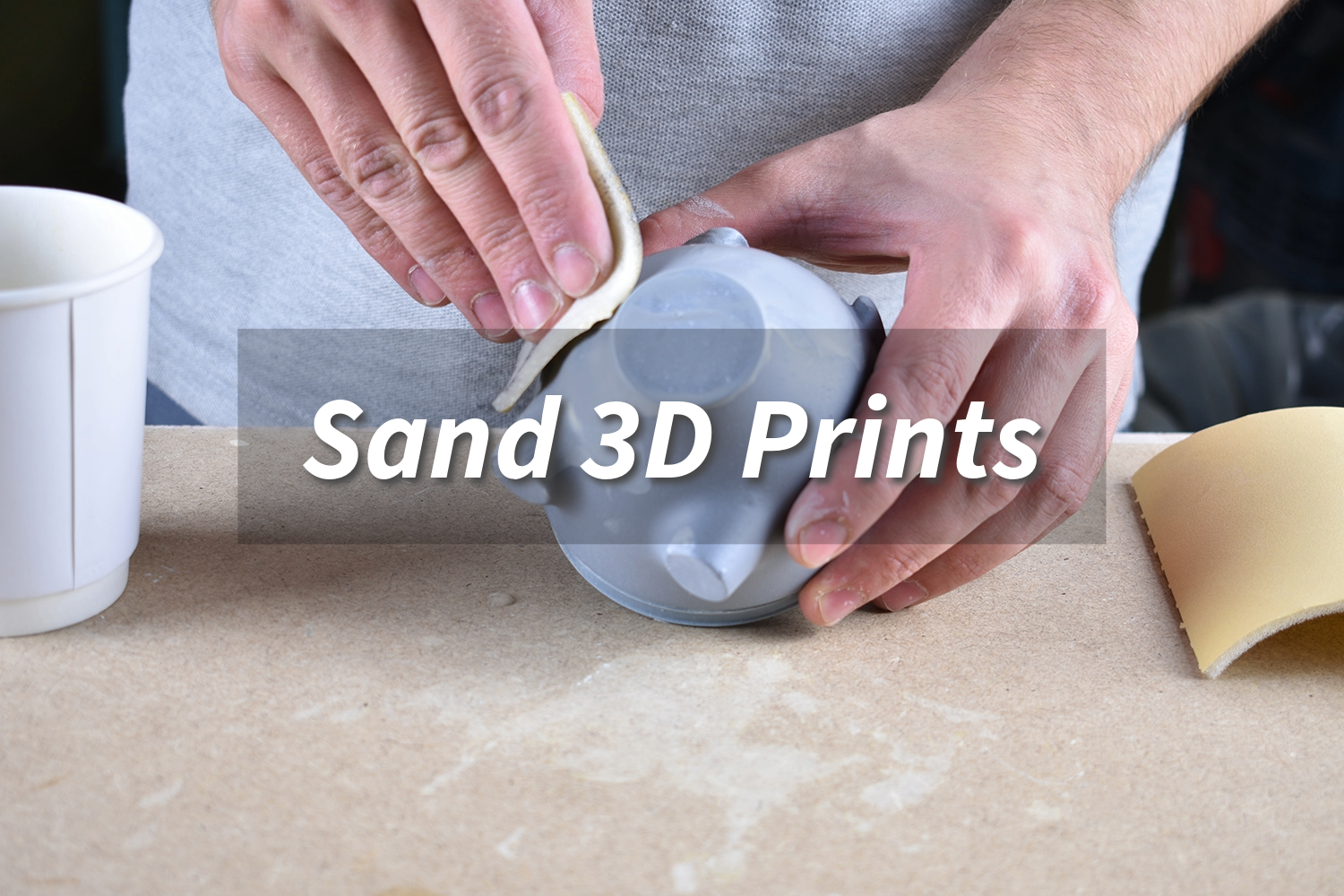
Ready to embrace the smooth side? Here are some practical tips to make your sanding journey more effective and, dare we say, enjoyable. Start with a coarse grit sandpaper (like 80-120 grit) to quickly remove those prominent layer lines, then gradually move to finer grits (220, 400, 800, and even 1000+) for a silky-smooth finish. Remember, grit matters; jumping too quickly will leave deeper scratches. For an even better experience and less dust, try wet sanding: submerge your print in water or keep the sandpaper wet. This significantly reduces airborne particles, prevents sandpaper from clogging, and often yields a superior finish. Always prioritize safety: wear a dust mask and eye protection, especially when sanding dry. Invest in a good set of sanding blocks for flat surfaces and consider a rotary tool (like a Dremel) with various sanding bits for intricate details and hard-to-reach areas. Finally, don't rush the process; sanding can be quite meditative. Apply a layer of spray primer between finer sanding stages – it will highlight any remaining imperfections, guiding your hand to true perfection. Embrace the zen, and soon you'll be creating prints that are not just printed, but truly polished.
![How to Smooth 3D Prints [+Techniques by Material]](https://ufc-dtc-cms.oss-accelerate.aliyuncs.com/blog/20240704/231219_7eutpumh7.png)