
How To Report Blackmail On Facebook
Okay, so let's talk about something not-so-fun, but super important: blackmail on Facebook. Yeah, it's a total bummer, like realizing you're out of coffee on a Monday morning. But don't worry, we're going to break down how to handle it like a pro. Think of me as your friendly neighborhood guide, here to help you navigate the sometimes-sketchy world of social media.
First things first, why should you even care? Well, blackmail is basically someone threatening to expose your secrets, embarrassing moments, or even just plain lies about you unless you do what they want. Imagine someone threatening to share that photo of you rocking out at karaoke last weekend (you know, the one where you're really feeling the music) unless you give them your concert tickets. Not cool, right?
It's not just about embarrassing photos, though. Blackmail can involve serious stuff like financial information, compromising videos, or anything else that could damage your reputation or hurt you in some way. It's a form of digital extortion, and it's important to take it seriously.
Must Read
Recognizing Blackmail on Facebook
So, how do you know if you're actually being blackmailed? It's all about the context and the threat. Here are a few telltale signs:
- Unsolicited messages demanding something from you. Maybe they want money, favors, or even just for you to stop being friends with someone.
- References to sensitive information that you've only shared with a few people. This is a huge red flag. If they know something they shouldn't, it's time to be cautious.
- Vague threats that become more specific if you don't comply. They might start by saying "Something bad might happen if you don't listen," and then escalate to "I'll send this to your boss."
- A sense of unease or fear when you interact with a particular person. Trust your gut! If something feels off, it probably is.
Think of it like spotting a scam email. You know, those emails from "Nigerian princes" offering you millions? It just doesn't feel right. Blackmail has the same vibe – a nagging feeling that something is terribly wrong.
Reporting Blackmail: Your Superhero Checklist
Okay, so you've identified potential blackmail. Now what? Time to put on your superhero cape and take action! Here's your checklist:
- Document Everything: This is crucial. Take screenshots of the messages, the profile of the person blackmailing you, and anything else that might be relevant. Think of it like collecting evidence for a detective. The more you have, the better.
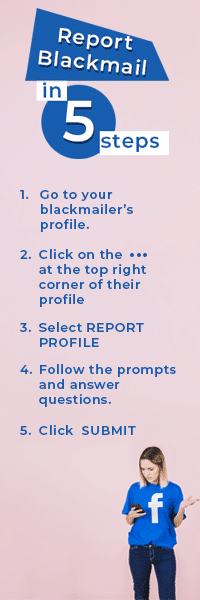
- Report to Facebook: Facebook has a reporting system specifically for this kind of thing. Here's how to find it:
- Go to the message or profile of the person blackmailing you.
- Look for the three dots (usually in the top right corner).
- Click "Report profile" or "Report conversation."
- Choose the option that best describes the situation, such as "Harassment" or "Threats."
- Provide as much detail as possible, including your screenshots.
- Block the Blackmailer: Cut off all contact. This not only protects you emotionally but also prevents them from escalating the situation. Imagine trying to argue with a toddler who's throwing a tantrum – sometimes, the best thing to do is just walk away.
- Contact Law Enforcement: Blackmail is a crime, plain and simple. If you feel threatened or if the blackmail involves serious information, contact your local police or law enforcement agency. They can provide further assistance and investigate the situation.
- Talk to Someone You Trust: This can be a friend, family member, therapist, or anyone else you feel comfortable confiding in. Dealing with blackmail can be incredibly stressful, and having someone to talk to can make a huge difference. Don't go it alone.
Why Reporting Matters (Even if You're Embarrassed)
Look, I get it. Being blackmailed can be incredibly embarrassing. You might be tempted to just give in to the demands to make it all go away. But that's exactly what the blackmailer wants! By reporting it, you're not only protecting yourself but also helping to prevent them from targeting others. Think of it like reporting a pothole in the road – it might be annoying to do, but you're saving other drivers from a bumpy ride (or worse!).

Remember, you are not alone. Blackmail is a serious issue, and there are people who want to help you. Don't be afraid to speak up and take action. You deserve to feel safe and secure online and in your life.
So go forth, be brave, and report those blackmailers! You got this!

