How To Recover Gold From Electronics Without Chemicals

Ever wonder what happens to your old phone or computer when you upgrade? Most of us just toss them in a drawer, or maybe, if we're feeling responsible, we take them to an e-waste recycling center. But did you know there's a tiny fortune hidden inside those discarded gadgets? We're talking about gold! And guess what? You can recover it without using harsh chemicals. Intrigued? Let's dive in!
The purpose of recovering gold from electronics isn't just about striking it rich (though, let's be honest, that's part of the appeal!). It's also about reducing e-waste and promoting a more sustainable approach to technology. Electronic waste is a massive problem, and by reclaiming valuable materials like gold, we can lessen the environmental impact of constantly upgrading our devices. The benefits are clear: you could potentially earn some extra cash, contribute to a greener planet, and satisfy your inner treasure hunter!
So, how do you get started? The key is mechanical separation. Forget about dangerous acids and complex chemical processes. We're keeping it simple! First, you'll need to gather your "raw materials." Old computers, cell phones, circuit boards, and even some types of connectors are good sources. The more you have, the better your chances of finding a decent amount of gold.
Must Read
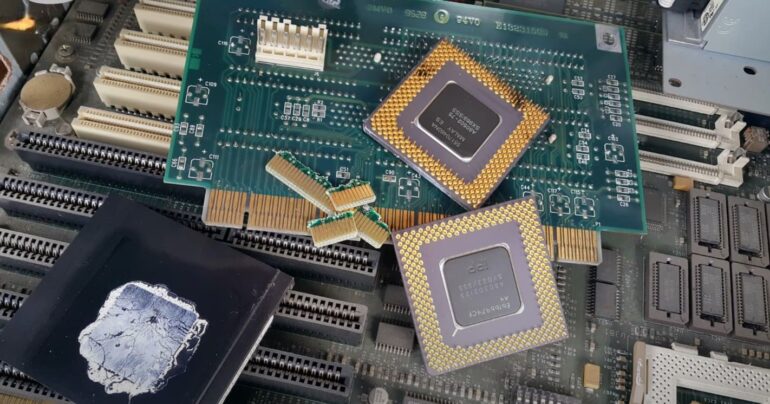
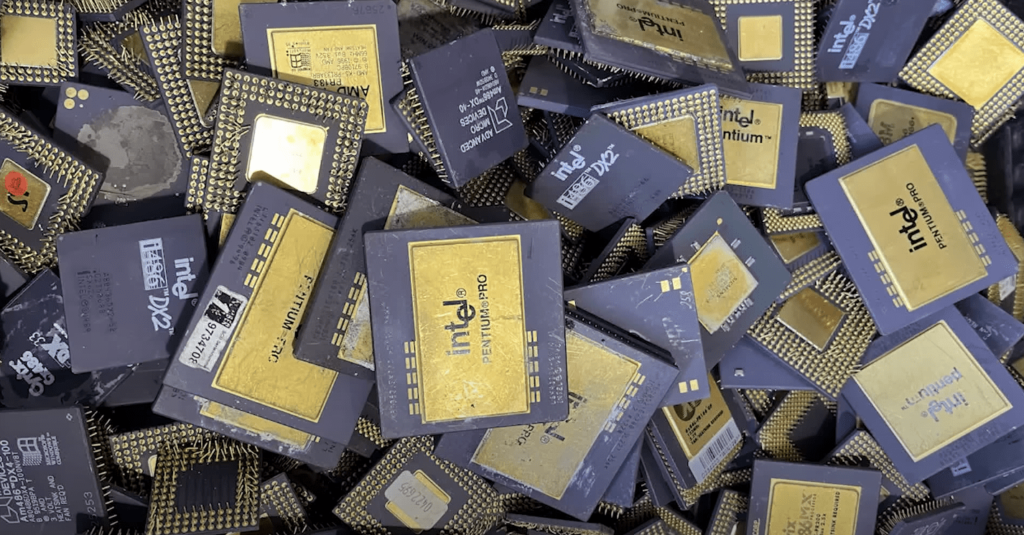
Next comes the fun part: disassembly. This is where a little elbow grease and some basic tools come in handy. You'll need screwdrivers (various sizes), pliers, and possibly a small hammer. Carefully take apart the electronics, focusing on components like circuit boards, processors, and connectors. Look for gold-plated pins, wires, and surfaces. These are often small and subtle, so pay close attention.

Now, the key components containing gold need to be separated from the rest of the junk. Break down the boards into smaller pieces. Sometimes, you'll be able to simply snap off gold-plated connectors. Other times, you might need to use pliers to carefully remove them. Remember, safety first! Wear gloves to protect your hands from sharp edges and dust.
Once you've gathered all the gold-bearing components, you'll want to concentrate your efforts. This might involve crushing or grinding the components to further separate the gold from other materials. A mortar and pestle can be useful for this step, or you can try a small hammer and a sturdy surface. Again, be careful and wear safety glasses to protect your eyes.
Finally, you'll have a small pile of material that's significantly richer in gold than when you started. While you won't get pure gold using this method, you'll have a concentrated material that you can then sell to a specialized refinery or recycler. They have the equipment and expertise to extract the gold and other valuable metals professionally.
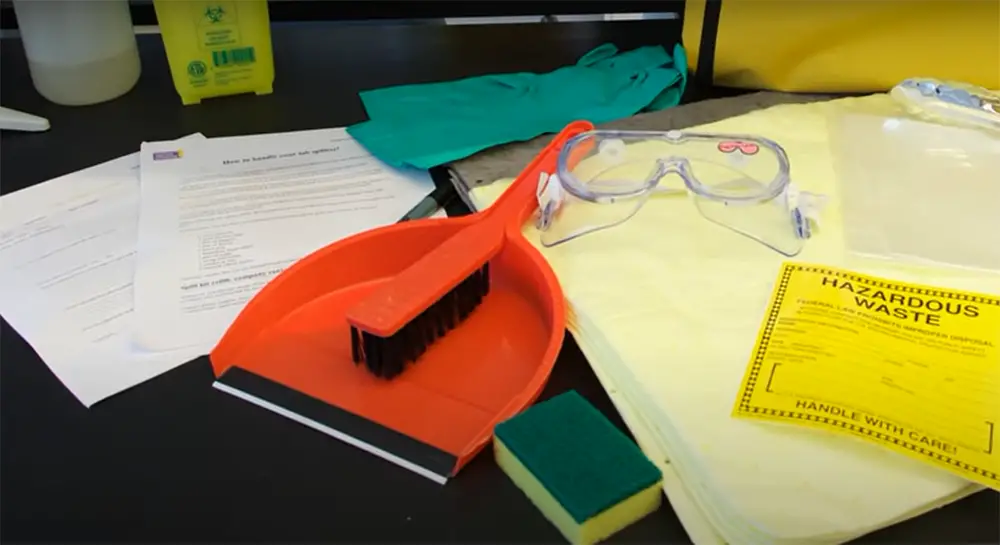
Important note: While this method avoids harsh chemicals, it's crucial to handle electronic waste responsibly. Some components may contain hazardous materials, so always wear appropriate safety gear and dispose of non-valuable materials properly at an e-waste recycling center. Have fun hunting for treasure responsibly!