How To Read Your Power Meter

Ever stared at that little box on the side of your house, humming quietly to itself, and felt like you were looking at a secret code written by aliens? You know, the one that holds the key to your electricity bill? Well, get ready, because today we're cracking that code wide open! You're about to become a certified Power Meter Pro, a wizard of watts, a guru of kilowatts, and it's going to be ridiculously fun and surprisingly easy.
Imagine knowing exactly how much energy your giant TV marathon or your epic baking session really guzzled. Picture yourself, with a triumphant grin, understanding the numbers that dictate a significant chunk of your household budget. It’s not just about saving money (though that’s a fantastic bonus!), it’s about feeling utterly in control and smart as a whip!
The Two Great Tribes of Power Meters: Analog vs. Digital
Before we dive into the nitty-gritty, let's acknowledge the two main characters in our electrifying tale:
Must Read
The Old Soul: The Analog (or Dial) Meter
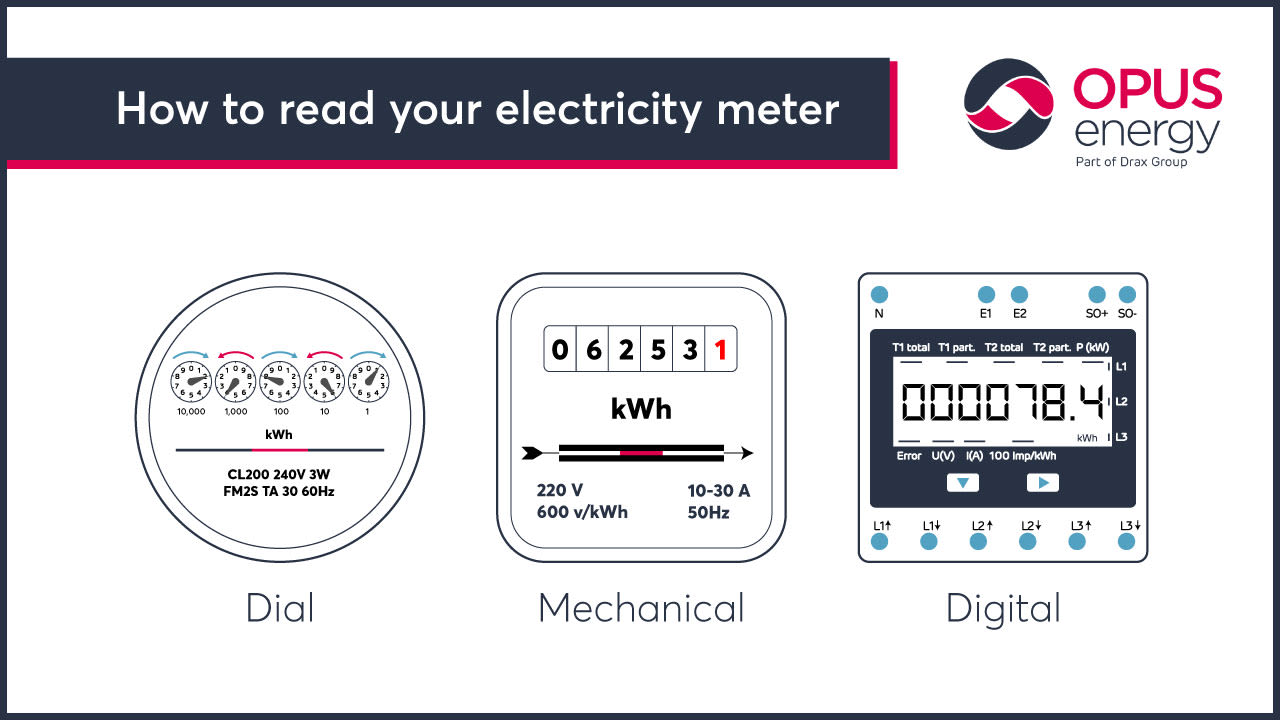
Ah, the classic! This is the one with the spinning disk and those enchanting little dials, often four or five of them, each with a hand that sweeps around like a miniature clock. If you’ve got one of these beauties, get ready for a delightful game of "read the hands." This is where the real adventure begins!
The Modern Marvel: The Digital Meter
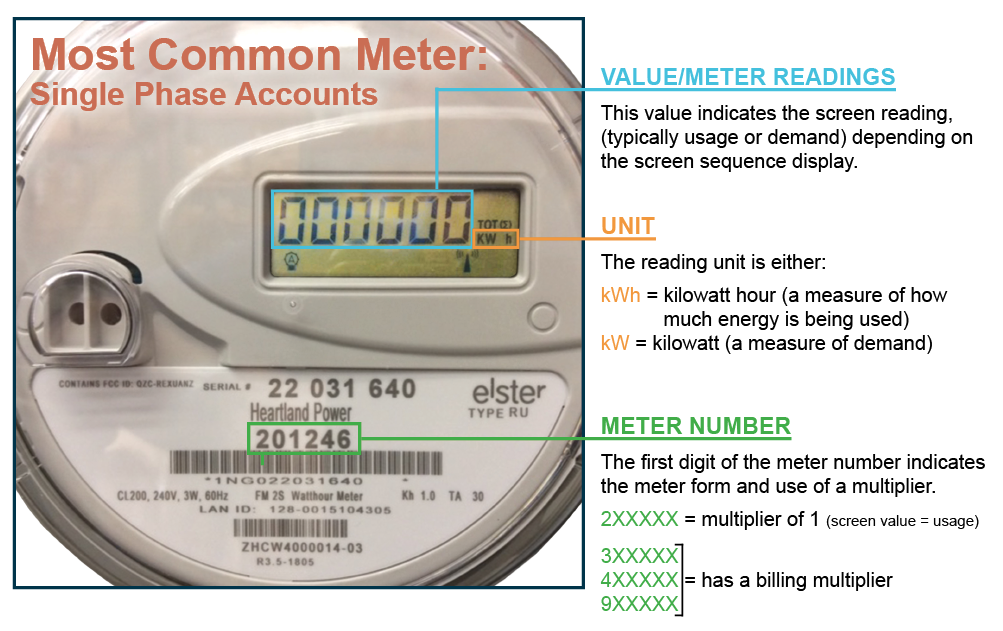
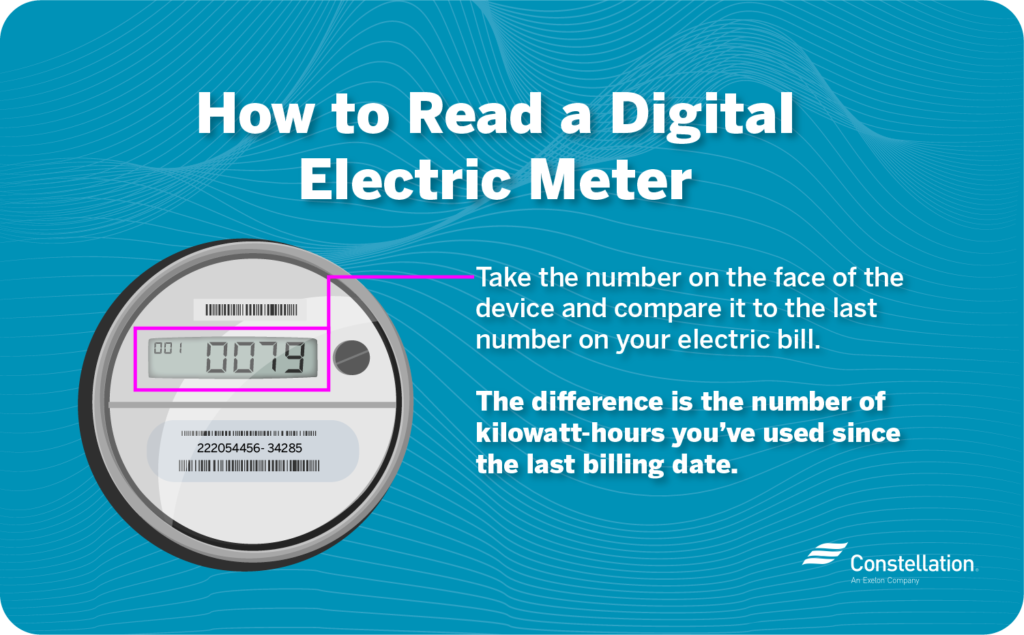
If your meter has a clear, easy-to-read digital display that just flashes numbers at you like a friendly robot, congratulations! You've got the super-simple version. You practically win the lottery of meter reading. For you, it's pretty much a case of… well, just read the number. But even you, dear digital reader, will enjoy the journey into analog mystery, just for kicks!
Cracking the Code of Your Analog Dials (Your Inner Detective Awaits!)
Okay, analog adventurers, gather 'round! This is the most "complicated" part, but trust me, it’s like solving a delightful little puzzle. You’ll usually see four or five dials. Each one represents a digit in your total consumption. Here’s the secret sauce:
- Start from the Left, My Friend: Always read the dials from left to right, just like you’re reading a thrilling novel. Each dial gives you one number.
- The "Lesser" Rule: This is the golden rule! Each dial has numbers from 0 to 9. The hand on the dial will point directly at a number, or it will be somewhere between two numbers. If it's between two numbers, always, and I mean ALWAYS, pick the smaller of the two. For example, if the hand is between 3 and 4, you write down 3. Easy peasy, right?
- The "Straight On" Exception (It's Not Really an Exception): What if the hand is pointing exactly at a number, say, 7? Then you write down 7! But here’s the trick: before you write it down, peek at the dial immediately to its right. If that next dial's hand hasn't quite passed the 0 yet (meaning it's still between 9 and 0), then you actually need to go back and pick the smaller number for your current dial. So, if your dial is pointing exactly at 7, but the next one is still before 0 (e.g., pointing at 9), then your current dial reading is actually 6. Mind-bending? A little! But it makes sense when you think about how numbers roll over. It’s like an odometer on a car: if the 1000s digit is exactly on 3, but the 100s digit is still showing 9, you haven't quite hit 3000 yet; you're still in the 2999 range.
- Alternating Directions: Notice that some dials spin clockwise, and some spin counter-clockwise? Don’t let that throw you off! Just remember the "lesser" rule, and you’ll be golden. The direction is just there to add a little extra spice to your detective work.
So, if your dials show something like: Hand 1 between 1 & 2 (take 1), Hand 2 exactly on 5 (but Hand 3 is between 9 & 0, so take 4), Hand 3 between 3 & 4 (take 3), Hand 4 between 7 & 8 (take 7), Hand 5 between 0 & 1 (take 0). Your reading might be 14370 kWh!

Remember: practice makes perfect! Take a photo, write it down, and compare it next month. You'll be a master in no time!
The Digital Dream: Just Read It!
For those with a modern, digital display, your job is refreshingly simple. Look for the main number, often followed by "kWh" (that stands for kilowatt-hours, the unit your energy company uses to bill you). That's it! Sometimes they cycle through a few different readings (like peak usage or off-peak usage), but usually, the primary, largest number is your total consumption. Jot it down, give yourself a pat on the back, and revel in your instant knowledge!
Why Bother? Because You're Awesome!
So why embark on this thrilling journey of meter reading?
- Empowerment! You'll understand your bill better than ever before. No more mysterious charges; you'll know exactly what you're paying for.
- Savings! By tracking your usage, you become acutely aware of your energy habits. That awareness is the first step to making smarter choices and potentially seeing your bill shrink!
- Bragging Rights! Honestly, how many people do you know who can confidently read their own power meter? You'll be the undisputed champion of energy literacy in your social circle!
Go forth, brave energy explorer! Grab a pen, maybe your phone for a quick picture, and step outside. Your power meter awaits its moment of truth, and you, my friend, are ready to decode its secrets. Get ready to feel incredibly clever!