How To Read Carbon Monoxide Detector
Ever thought about adding a little dose of everyday superpower to your life? No, we're not talking about flying, but something equally important for your home: understanding your carbon monoxide (CO) detector. It might sound like a serious topic, but trust me, learning to "speak" with this silent guardian is incredibly empowering and gives you invaluable peace of mind. It's a fundamental step in creating a safer living space, and it's much simpler than you think!
So, who benefits from this simple skill? Well, pretty much everyone! For beginners and new homeowners, it's like learning the secret handshake to home safety. You’re not just installing a device; you’re understanding how to interpret its crucial messages. For families, knowing how to read the detector means you’re better prepared to protect your loved ones, especially children and pets, from an invisible threat. It's about proactive care, not reactive panic. Even hobbyists or RV adventurers will find this useful, as many portable CO detectors for camping or workshop use operate on similar principles, making you a more informed and safer explorer wherever you go.
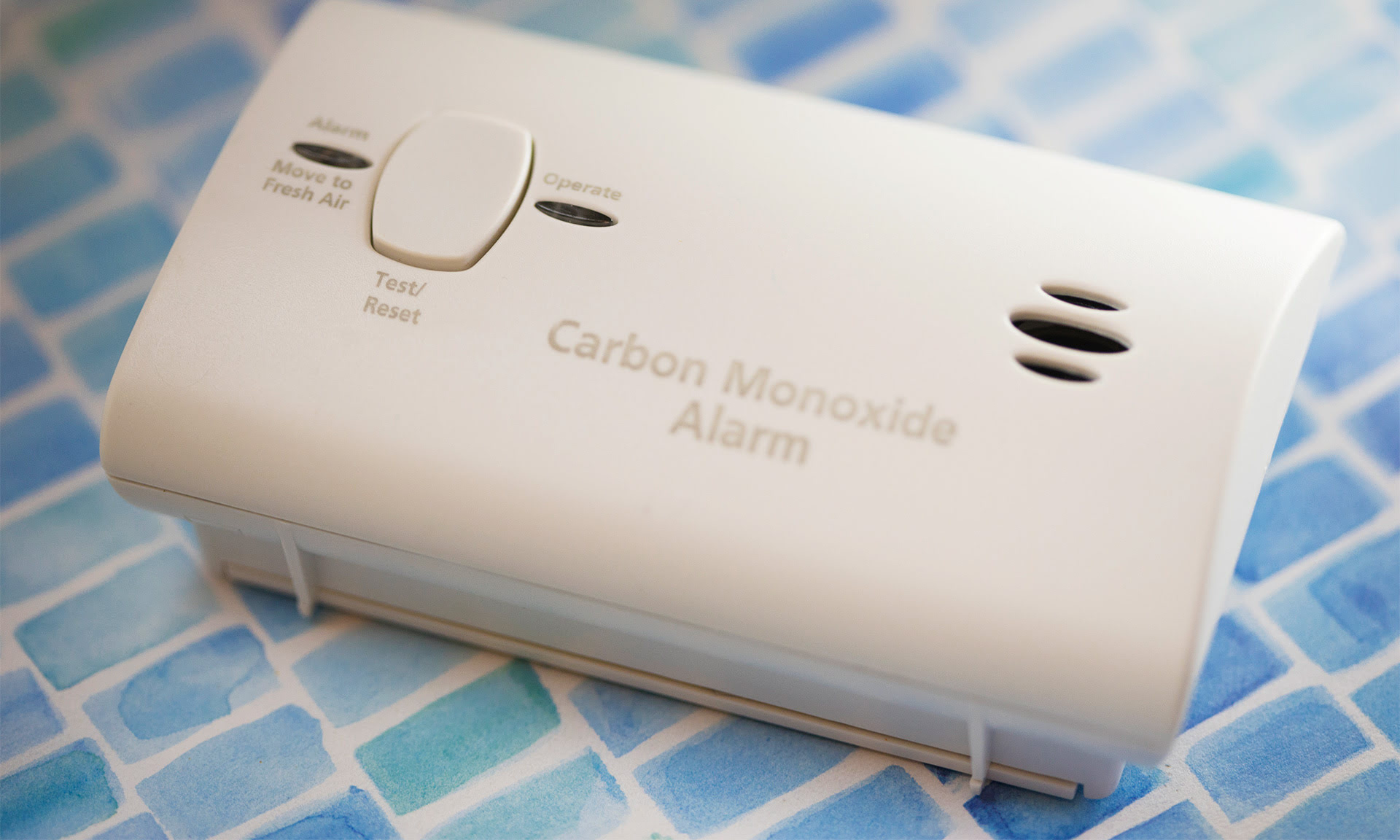
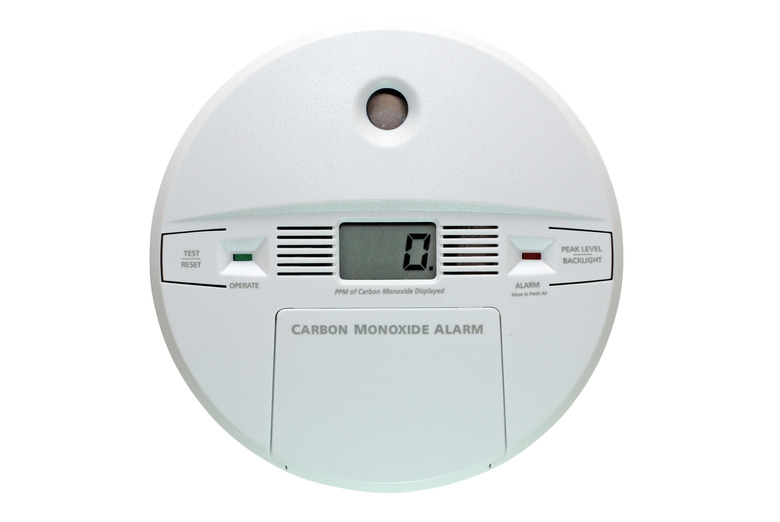
Carbon monoxide detectors come in a few flavors, but their core purpose is the same: to alert you to the presence of CO. You might have a digital display unit that shows a number, often in "ppm" (parts per million). This is like the detector directly telling you what it's sensing. A '0 ppm' reading is what you always hope to see! Other detectors might have simple LED lights – a green light usually means all clear, while yellow or red lights indicate a problem, often accompanied by an alarm. Some are standalone, others are combined with smoke detectors. The key is to know that different numbers or light patterns mean different things, and understanding these signals is your first line of defense.
Must Read
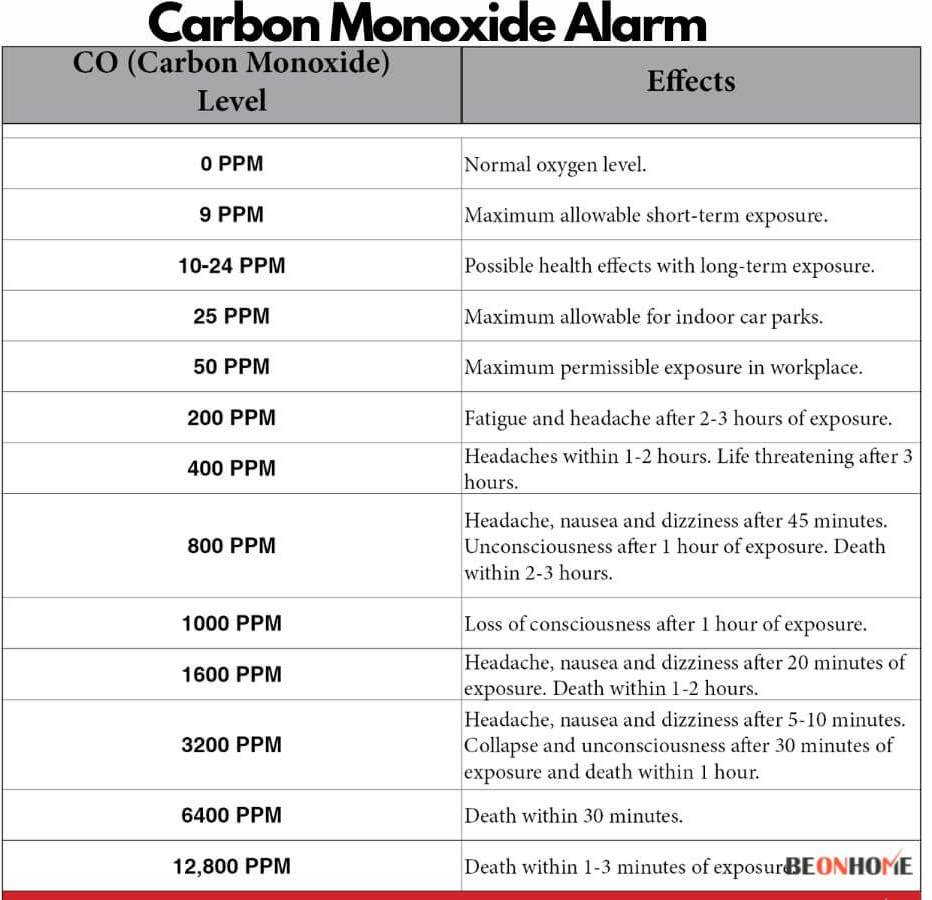
Ready to become a CO detector expert? Here are some simple, practical tips to get you started. First, know your detector's manual – it's your best friend for understanding specific beeps and lights. Most digital units show '0' when everything is clear. If you see any sustained number above zero, especially if it climbs, that warrants attention. For alarm sounds, remember the golden rule: if your CO detector is alarming, evacuate immediately and call 911. Don't try to troubleshoot first. Also, test your detector monthly by pressing the "test" button and replace batteries (if applicable) every six months, or the entire unit every 5-7 years. Proper placement (usually near sleeping areas and on every level of your home) is also crucial for effective detection.
Learning to read your carbon monoxide detector isn't just about safety; it's about empowerment. It's a tiny investment of time that pays off immensely in security and reassurance. Knowing that you understand what this vital device is telling you brings a genuine sense of calm and control. It's a simple skill that truly elevates your home from just a house to a safely monitored sanctuary. Embrace the knowledge; embrace the peace of mind!