How To Put Refrigerant In A Car Air Conditioner
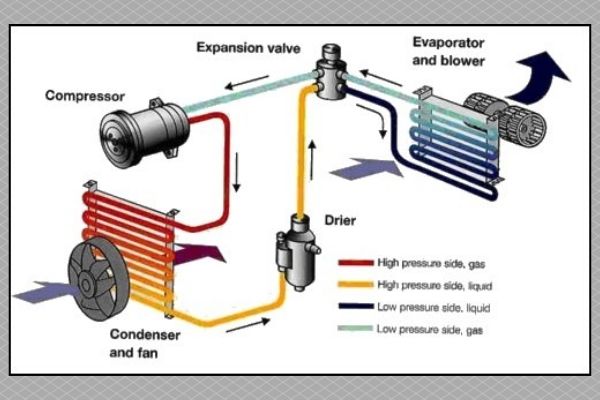
Ah, the sweet symphony of summer! The sun beating down, windows rolled down, wind in your hair... but then you get into your car after it's been baking in a parking lot, and you realize something crucial is missing: that glorious blast of cold air. Your car's air conditioning isn't just a luxury; it's a lifeline, a sanity saver that turns a sweltering commute into a bearable, even pleasant, journey. It’s the unsung hero of road trips, the quiet champion against sticky shirts and grumpy passengers. There's a profound satisfaction in pressing that AC button and feeling the instant wave of relief, transforming your car into a cool, calm oasis.
The benefits of a properly functioning car AC stretch far beyond simple comfort. It's about safety and well-being. Imagine driving long distances in extreme heat; fatigue sets in faster, concentration wanes, and the risk of heatstroke becomes a real concern. A cool cabin helps you stay alert, focused, and ultimately, safer on the road. Beyond that, it's incredibly practical for everyday life. Ever tried to quickly defog your windshield on a humid morning? A working AC unit is your best friend, drying out the air and clearing your vision in seconds. It keeps your groceries from melting on the way home, makes school pickups less stressful, and ensures your furry co-pilots stay comfortable.
You experience the magic of AC in countless ways: that daily drive to work in August, a cross-country family adventure where kids in the back seat remain blissfully unaware of the scorching desert outside, or even just sitting in traffic without feeling like you're in a sauna. It’s an integral part of modern driving comfort, a feature we often take for granted until it decides to take a vacation of its own. But what if that frosty goodness starts to fade? What if your AC is blowing lukewarm air, or worse, just hot air?
Must Read
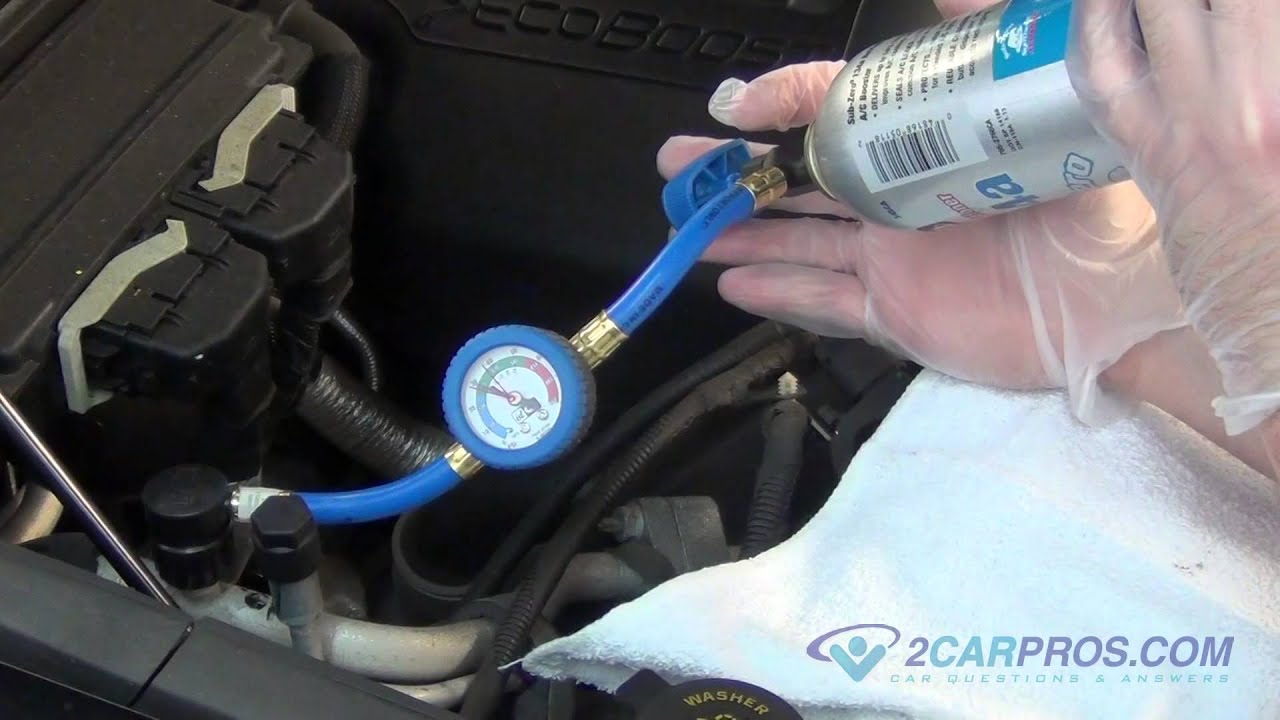
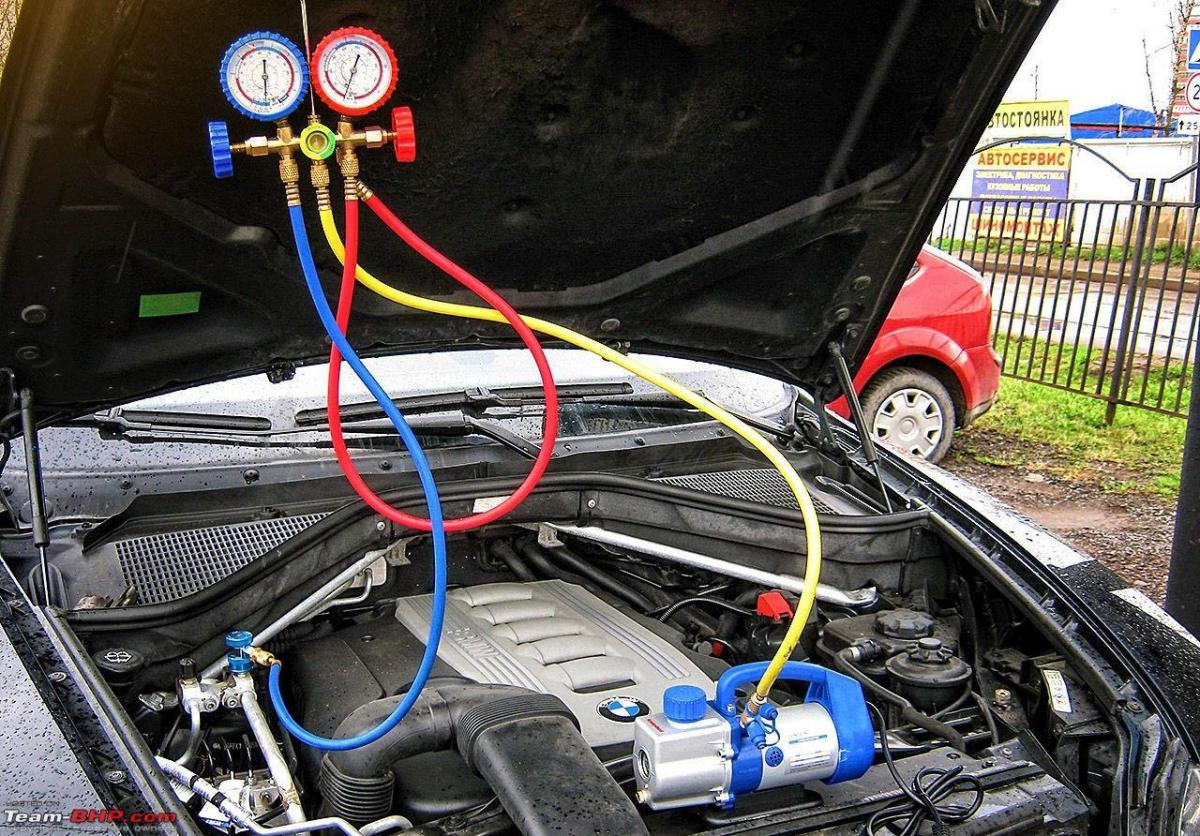
Fear not, aspiring DIY hero! You might just need to give your system a little pick-me-up. Learning how to put refrigerant in your car's AC can be a surprisingly straightforward and empowering task. First, understand that if your AC isn't blowing cold, it’s often due to low refrigerant (R-134a for most modern cars). You'll need an AC recharge kit, typically consisting of a can of refrigerant and a hose with a pressure gauge. Always wear safety glasses and gloves to protect your eyes and skin from contact with the refrigerant, which can cause frostbite.
Here’s how to enjoy the coolness more effectively by doing it yourself:
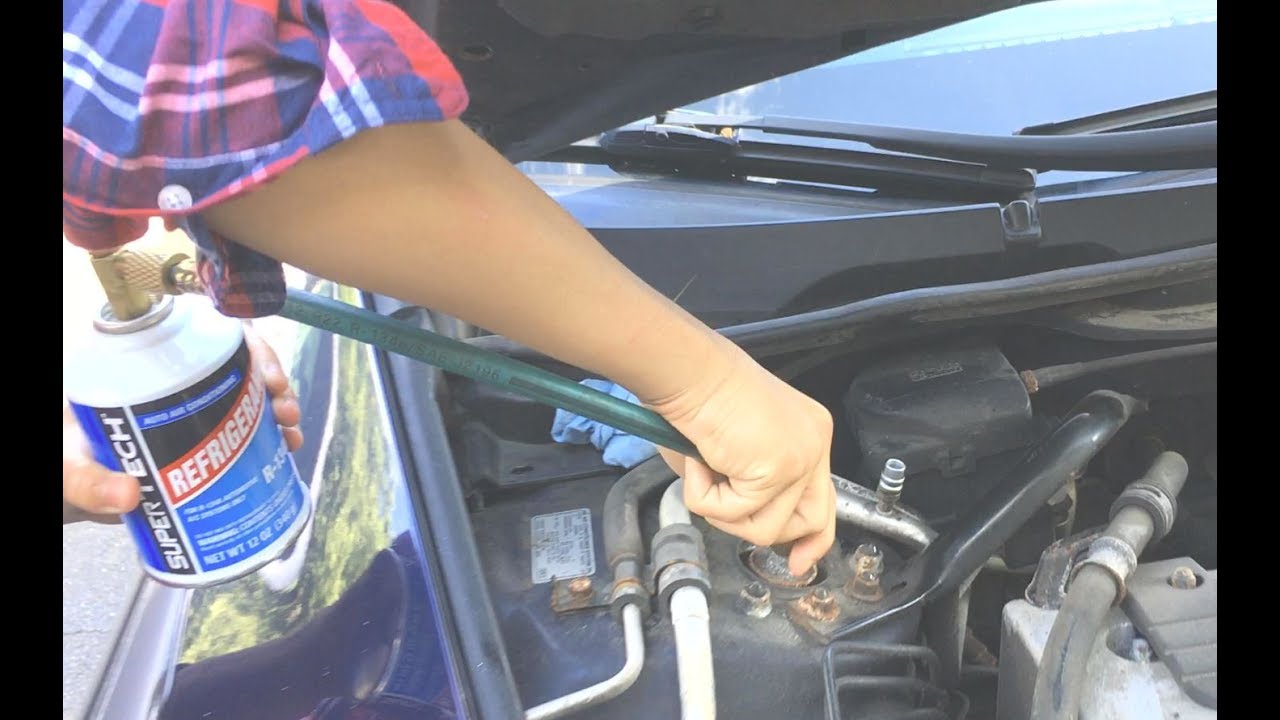
- Locate the Low-Pressure Port: With your car off, find the larger diameter metal tube running from your AC compressor (usually on the passenger side of the engine bay). It will have a cap labeled "L" for low pressure.
- Prepare Your Car: Start your engine, turn on your AC to maximum cold and maximum fan speed.
- Connect the Hose: Securely attach the quick-connect fitting of your recharge hose to the low-pressure port. The gauge will immediately show your current pressure.
- Read the Gauge: Most gauges have colored zones: green (good), yellow (low), and red (dangerously high or overfilled). Your goal is to get into the green.
- Add Refrigerant Slowly: Screw the refrigerant can onto the hose. Hold the can upright and press or twist the trigger to slowly release the refrigerant into the system. Shake the can gently every few seconds to help the flow.
- Monitor the Pressure: As you add refrigerant, keep an eye on the gauge. Stop adding when the needle moves into the recommended green zone. Do not overfill! Overfilling can cause more damage than underfilling.
- Disconnect and Enjoy: Once the gauge is in the green, remove the hose, cap the port, and feel that sweet, sweet arctic blast emanating from your vents once more.