How To Put Out A Fire In The Kitchen
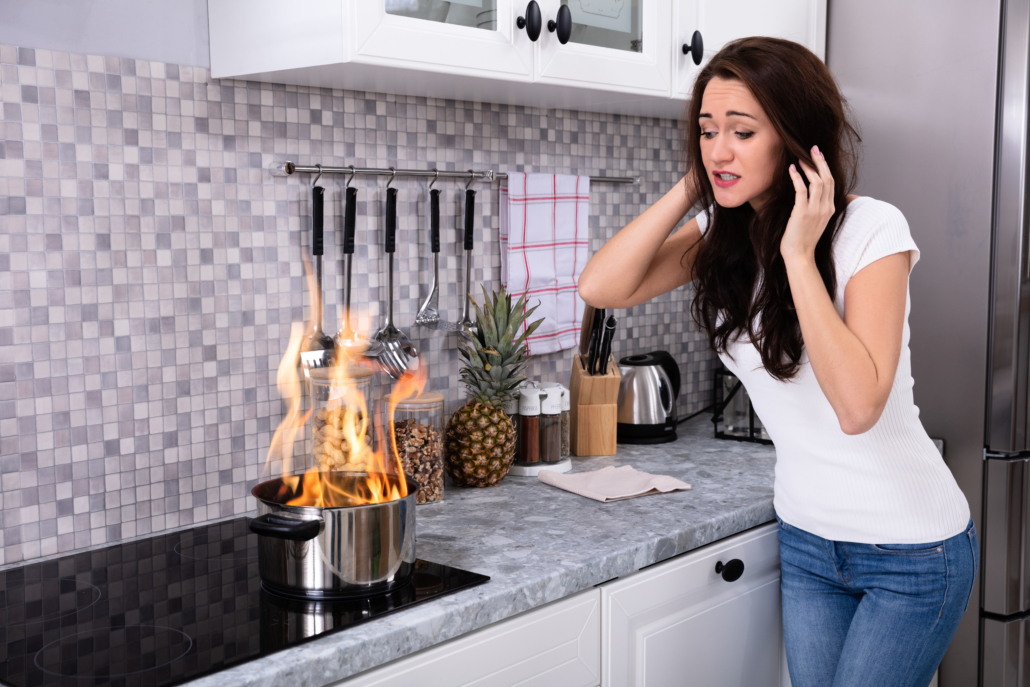
Picture this: You’re whipping up a masterpiece. Maybe it’s sizzling bacon, maybe it’s your famous stir-fry. Everything is going great. The aroma is filling the kitchen. Then, out of nowhere, a tiny flame decides to join the party. Not invited, mind you. Just… appears. On the pan. This is not the kind of "flame" you want in your kitchen. This is a small, unexpected, and slightly alarming fire. Your heart might do a little samba. Your brain might do a little "what now?!" dance. Don't worry, we've all been there. Or, you know, we've imagined being there with a very vivid, slightly panicked imagination.
Step 1: The Initial Panic (and maybe a dance)
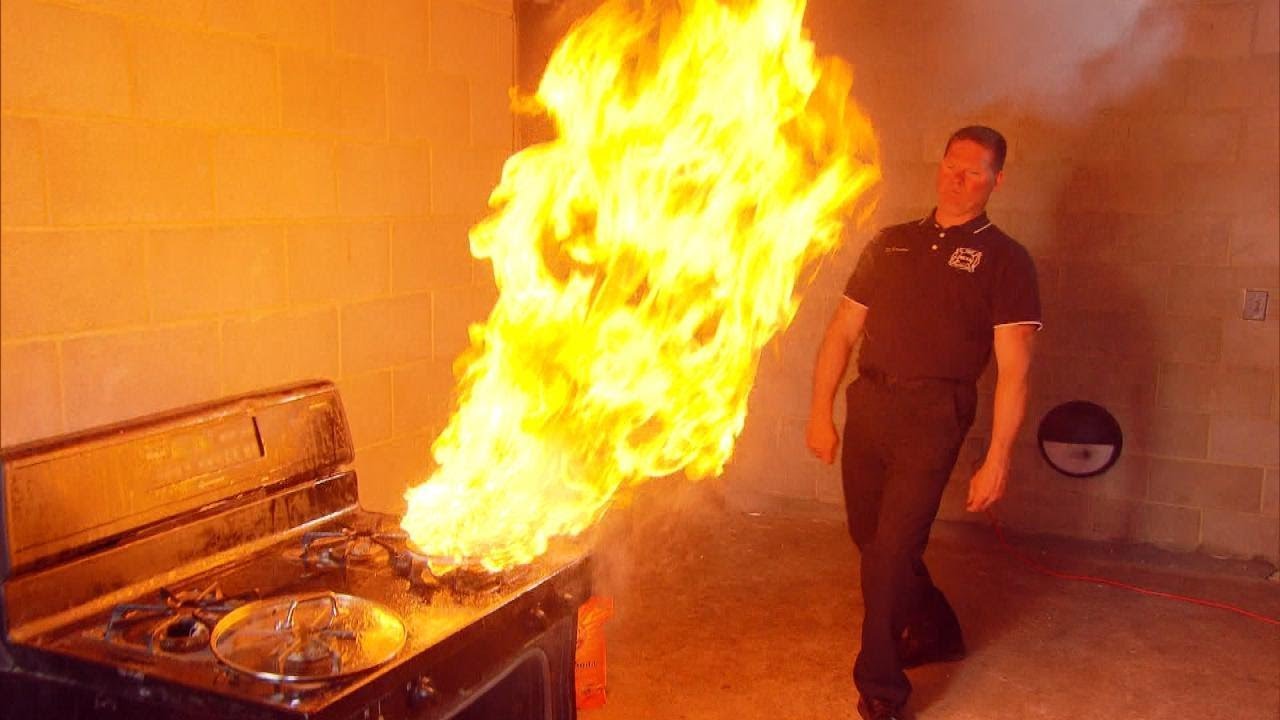
First things first, take a breath. A deep one. It’s okay to have a mini-freak out. It’s natural. Your instincts are screaming, "FIRE!" But before you grab the nearest cup of water – STOP! Seriously, put the water down. Especially if it's a grease fire. Water and oil fires are like ex-lovers at a party; they just don't mix well, and things can get explosively worse. So, no water. Got it? Good. That’s your first superpower: knowing what not to do.
Step 2: The Mighty Lid (Your Kitchen's Secret Weapon)
Now, for the actual superhero move. Most small kitchen fires, especially those in a pan, are just hungry for oxygen. They love to breathe. Your job? To cut off their air supply. Think of it as putting the fire in time-out. The best tool for this job is almost always right there, hiding in plain sight: a lid. A metal lid, a glass lid, any lid that fits the pan. Gently, calmly – okay, maybe not calmly, but carefully – slide that lid onto the pan. Cover it completely. Suddenly, the fire has no air. No air, no fire. It’s like magic, but with science! Once the lid is on, leave it there. Let everything cool down. Don't peek. Don't lift it up to see if it's "still working." It is. Trust the lid. It's doing its job.
"Your saucepan lid isn't just for steaming veggies; it's a silent, humble firefighter."
Must Read
Step 3: When the Lid Isn't Enough (Or You Can't Find It)
What if your lid is on vacation? Or the fire has spread a tiny bit beyond the pan? Your next move, always, is to turn off the heat source. Gas hob? Turn the knob. Electric stove? Flip the switch. No heat, no fuel, no party for the fire. This is incredibly important. Then, if the lid isn't an option, look around for something else to smother it. A baking sheet, another larger pan, maybe even a damp (not soaking wet, just damp!) towel. Remember, the goal is to cut off oxygen. Think like a sneaky ninja, quietly depriving the fire of its life source. But be careful not to push the fire off the counter or splash any burning grease around. We're going for stealth, not chaos.

Step 4: The Baking Soda Brigade (Not Your Average Firefighter)
For small, contained grease fires, baking soda can be your quirky little hero. Not baking powder, mind you. That’s a whole different kitchen adventure. Grab a box of plain old baking soda. And I mean a lot of it. You’re not sprinkling it like fairy dust. You want to dump a generous, covering layer right over the flames. Baking soda releases carbon dioxide when heated, which helps to smother the fire. It’s like a mini, edible fire extinguisher for very small grease fires. It's impressive, really, how such a humble ingredient can be so mighty. Keep a box handy, just in case your kitchen decides to put on a small, fiery show.
Step 5: The Unpopular Opinion - When to Call for Backup
Here’s the thing that no one likes to admit: sometimes, it’s okay to call for help. My unpopular opinion? It's far better to call the fire department for a "false alarm" (because you put it out, bravo!) than to brave a fire that's too big or getting out of control. If the fire is growing, if you can't put a lid on it safely, if you feel unsafe, or if your instincts are screaming "GET OUT!" – then listen. Get yourself and anyone else out of the house. Close the kitchen door if you can, to help contain the fire. Then call 911 (or your local emergency number). It takes courage to know your limits. And trust me, firefighters would much rather come out to a situation that's under control than one that's escalated. Your safety is paramount. Always.
"Knowing when to call for help isn't giving up; it's a strategic retreat for ultimate victory."

Step 6: Prevention is Your Best Friend (Even Better Than Pizza)
Okay, so you’ve learned the moves. But what about avoiding the dance altogether? The best kitchen fire is the one that never happens. Don't leave cooking food unattended. Seriously, that five-minute scroll through social media can turn into a five-alarm situation. Keep flammables away from the stove – dish towels, oven mitts, paper towels. Clean up grease spills. And hey, maybe invest in a small, kitchen-appropriate fire extinguisher (ABC-rated for different types of fires). Know how to use it, just in case. It’s like having an ace up your sleeve, but for fire safety.
So, there you have it. A playful guide to taming those unexpected kitchen flames. Remember, a cool head, a handy lid, and knowing when to use your superpower (or call for backup) are all you need to keep your kitchen adventures fun, fiery, and most importantly, safe. Now, go forth and cook with confidence!