
How To Protect Galvanized Steel From Rusting

Okay, let's talk about galvanized steel. Think of it as the superhero of metals! It's tough, it's durable, and it’s got this cool, silvery sheen. But even superheroes need a little backup sometimes, right?
I mean, even Superman needs Kryptonite protection. So, let's dive into how to keep your galvanized steel looking fantastic and rust-free, ready to take on the world!
Keep it Clean and Tidy
First things first, a little soap and water go a long way. Imagine your galvanized steel is a prize-winning show dog. You wouldn't let it roll around in the mud all day, would you?
Must Read
So, give it a good scrub with some mild soap and water every now and then. This gets rid of any dirt, grime, or, you know, bird droppings that might be clinging on for dear life.
Rinse it off thoroughly. Make sure there’s no soapy residue left behind. We want sparkling clean, not soap-opera-drama clean!
Avoid Harsh Chemicals
Speaking of drama, let's keep the harsh chemicals away. Think of them as the evil villains trying to corrupt your steel's shiny goodness.
Bleach, strong acids, and abrasive cleaners are a big no-no. They can damage the galvanized coating, which is your steel’s main defense against rust. Imagine trying to wash your car with sandpaper – ouch!
Stick to mild soaps and gentle cleaning solutions. Your galvanized steel will thank you for it with years of gleaming service.
Handle with Care
Galvanized steel is tough, but it's not invincible. Scratches and dents can expose the underlying steel to the elements. Think of it like a tiny chink in your superhero's armor!
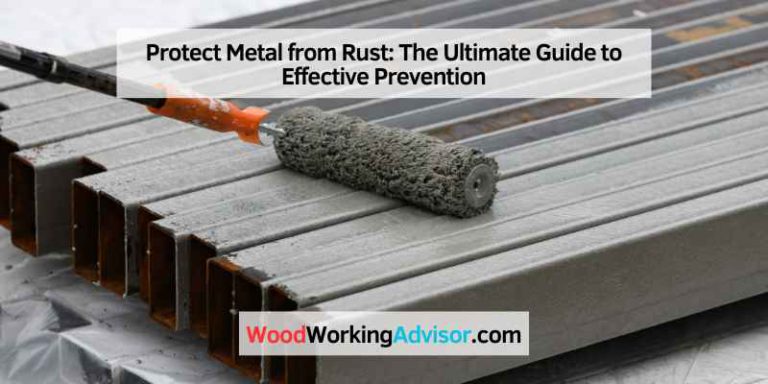
When moving or handling galvanized steel, be careful not to drop it or bang it against hard surfaces. A little padding or protection during transport can save you a lot of headaches later.
If you do happen to scratch it, don't panic! We'll talk about how to fix that a little later. Just remember, a little TLC goes a long way.
Proper Storage is Key
If you're not using your galvanized steel right away, store it properly. Don't just leave it out in the rain and snow like a forgotten garden gnome!
Store it in a dry, well-ventilated area. This will help prevent moisture from building up and causing corrosion.
If you're storing multiple pieces, separate them with wood or plastic spacers. This allows air to circulate and prevents them from rubbing against each other, which can cause scratches.
Deal with Scratches and Damage Promptly
Okay, so you accidentally scratched your galvanized steel. Don't worry, it happens to the best of us. It’s not the end of the world!

The key is to address the damage quickly. The longer you wait, the more likely it is that rust will start to form. Think of it as a ticking time bomb of corrosion!
For small scratches, you can use a cold galvanizing compound or a zinc-rich paint. These products contain zinc, which is the same material used in the original galvanizing process.
How to Fix a Scratch: A Step-by-Step Guide
First, clean the area around the scratch thoroughly. Remove any dirt, rust, or loose debris with a wire brush or sandpaper.
Apply the cold galvanizing compound or zinc-rich paint according to the manufacturer's instructions. Make sure to cover the entire scratch and a little bit of the surrounding area.
Let it dry completely. Once it's dry, you can apply a second coat if necessary. Just remember, patience is a virtue!
Consider a Protective Coating
If you want to give your galvanized steel an extra layer of protection, consider applying a clear coat sealant or paint specifically designed for galvanized surfaces. Think of it as adding a force field to your superhero!
These coatings will help to prevent rust and corrosion. They also protect the galvanized coating from damage caused by UV rays and other environmental factors. It’s like sunscreen for your steel!

Make sure to choose a coating that is compatible with galvanized steel. Some paints and sealants can react with the zinc coating, causing them to peel or flake.
Choosing the Right Coating
Look for coatings that are specifically labeled as being suitable for use on galvanized steel. These coatings are formulated to adhere properly to the zinc surface and won't cause any adverse reactions.
Follow the manufacturer's instructions carefully when applying the coating. Proper surface preparation and application techniques are essential for ensuring a long-lasting and effective finish.
And remember, a little research goes a long way. Don't just grab the first can of paint you see on the shelf! Ask your local hardware store expert for advice.
Watch Out for Dissimilar Metals
When using galvanized steel in conjunction with other metals, be aware of the potential for galvanic corrosion. This occurs when two different metals are in contact with each other in the presence of an electrolyte (like water), creating an electrical current that can cause one of the metals to corrode.
To prevent galvanic corrosion, avoid direct contact between galvanized steel and other dissimilar metals, such as copper or aluminum. Think of them as feuding superheroes who need to be kept apart!

If you must use different metals together, use insulating materials, such as plastic washers or gaskets, to separate them. This will break the electrical connection and prevent corrosion.
The Sacrificial Anode Solution
In some cases, you can use a sacrificial anode to protect your galvanized steel. A sacrificial anode is a piece of metal that is more easily corroded than the galvanized steel.
When the two metals are connected, the sacrificial anode will corrode instead of the galvanized steel, thus protecting it from rust. It's like offering up a smaller, less important pawn to protect your queen!
Sacrificial anodes are commonly used in marine applications, such as protecting boat hulls and docks. Talk to a professional to see if this is the right solution for your situation.
Regular Inspection is Key
Finally, make sure to inspect your galvanized steel regularly for any signs of damage or corrosion. The sooner you catch a problem, the easier it will be to fix!
Look for scratches, dents, rust spots, or any other signs of wear and tear. Pay particular attention to areas that are exposed to moisture or harsh weather conditions. Think of it as giving your steel a regular checkup with the doctor!
By following these simple tips, you can keep your galvanized steel looking great and performing its best for years to come. Remember, a little bit of care and attention can go a long way in preventing rust and corrosion. So go forth and protect your steel, superhero style!