
How To Program A Door Lock
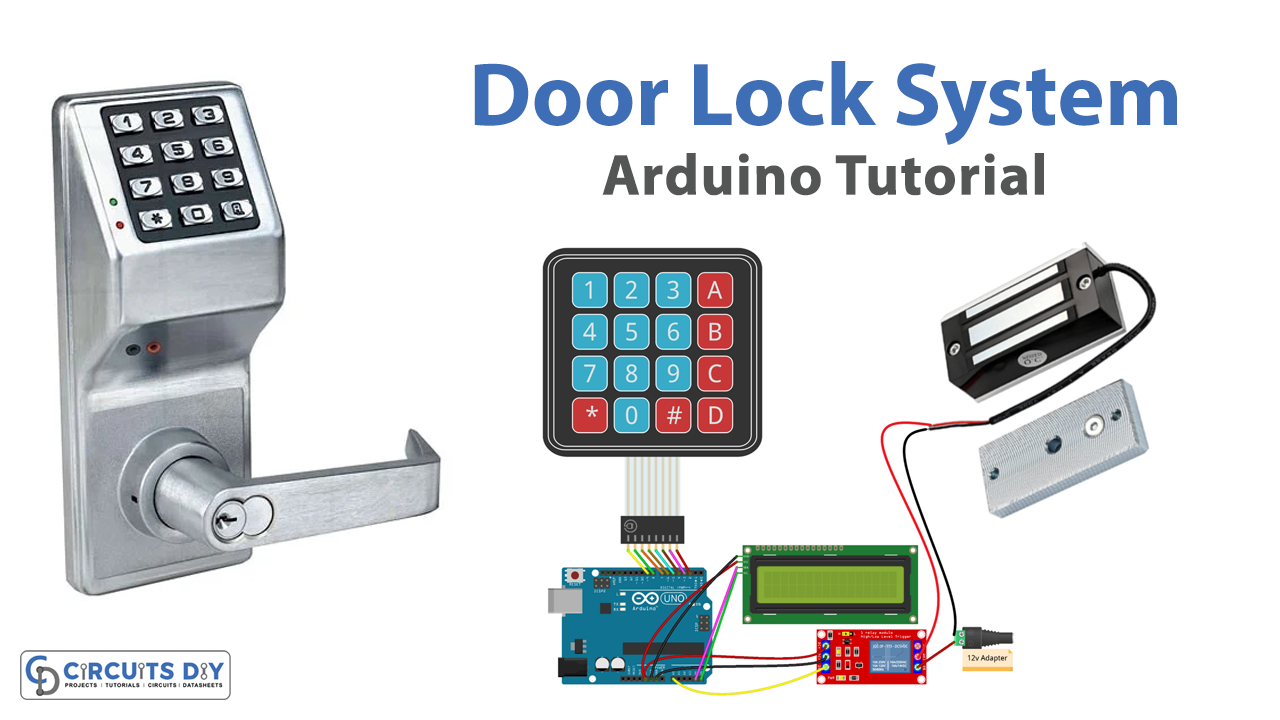
Modern life is full of amazing conveniences. We unlock phones with our faces, order groceries from a tiny screen, and talk to virtual assistants.
Then there's the humble door lock. It's often digital, sleek, and promises a key-free existence. Sounds simple, right?
Well, sometimes, giving your door lock its marching orders feels less like a convenience and more like a secret mission.
Must Read
The Grand Quest: Programming Your Digital Sentinel
So, you've decided to empower your door. You want to teach it who's boss, or at least, who gets to come inside.
The first step in this epic journey? Finding the manual. Oh, the manual!
"The manual is your sacred scroll, often found under a couch cushion, in a drawer filled with tangled cables, or perhaps, still in the lock's original box."
It’s usually a thin booklet, printed in a font so tiny you suspect it was designed for ants.
You'll spend a good five minutes just locating the right language section. Bonjour, Hola, Guten Tag, and finally, English.
Flipping through pages, you hunt for the magic words: "Programming Instructions" or "Setting User Codes."
Locating the Secret Portal: The Master Code
Every digital lock has a master code. Think of it as the ultimate password, the key to all other keys.
This code is usually a factory default, sometimes printed on a sticker, or buried deep within that aforementioned manual.
It’s your secret weapon, your prime directive. Guard it well!
Losing the master code is like losing the deed to your house, but for your door's digital brain.
It’s the first hurdle, a gentle reminder that this isn't just pressing numbers randomly.
Entering the Matrix: Programming Mode
Now, the real fun begins. With your master code in hand, you approach the lock with a newfound confidence.
The manual will instruct you to press a certain button, often a small, unassuming one labeled "Program" or "P."
You hold it down, perhaps for a few dramatic seconds. You listen intently for the tell-tale beep or watch for a flashing light.
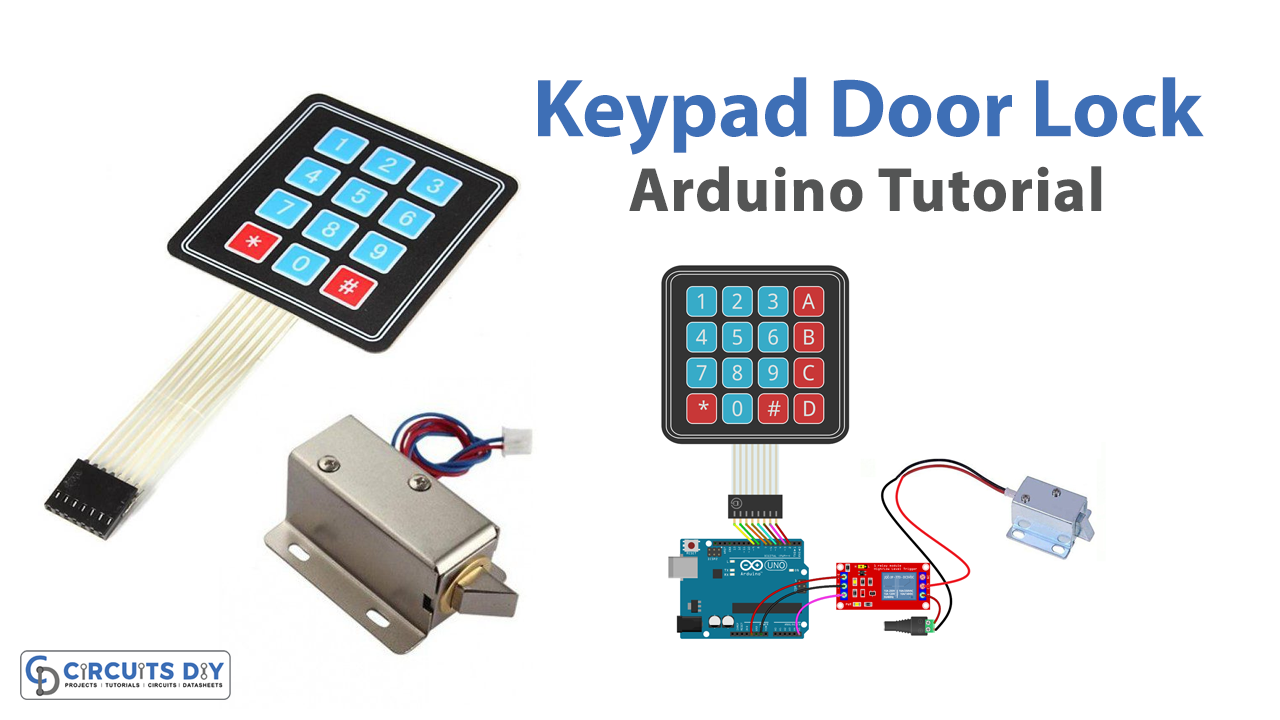
A triumphant beep-boop! The lock is now in programming mode. You've entered its inner sanctum.
It feels a little like hacking, doesn't it? A small, satisfying moment of digital mastery.
You are now the conductor of this small electronic orchestra, ready to dictate its melodies.
Adding New Friends: User Codes
Time to invite people to your digital party. These are the codes for your family, your trusted friends, or perhaps the super-reliable dog walker.
The manual will guide you. Typically, you'll press a number, then your new desired code, followed by a confirming key like # or .
Imagine typing in 1-2-3-4-5-6 (please don't use that in real life!) and hearing that cheerful confirmation beep.
It's like issuing tiny digital keys, unique to each person. So much simpler than getting keys cut, right?
This step makes you feel like a benevolent gatekeeper, granting access with a few button presses.
Each beep is a confirmation that another loved one can now easily enter your castle.
Waving Goodbye: Deleting Old Codes
Life changes, and so do access needs. Perhaps a houseguest has departed, or you just want to refresh your security.
Back into programming mode we go! The manual will have a specific sequence for deleting old codes.
Often, it involves pressing a "delete" command, then the old code, and finally, the confirming key.
A decisive *beep-boop-bop signals that the old code is no more. It's like gently revoking a digital visa.
This power to grant and revoke access truly solidifies your role as the door's digital overlord.
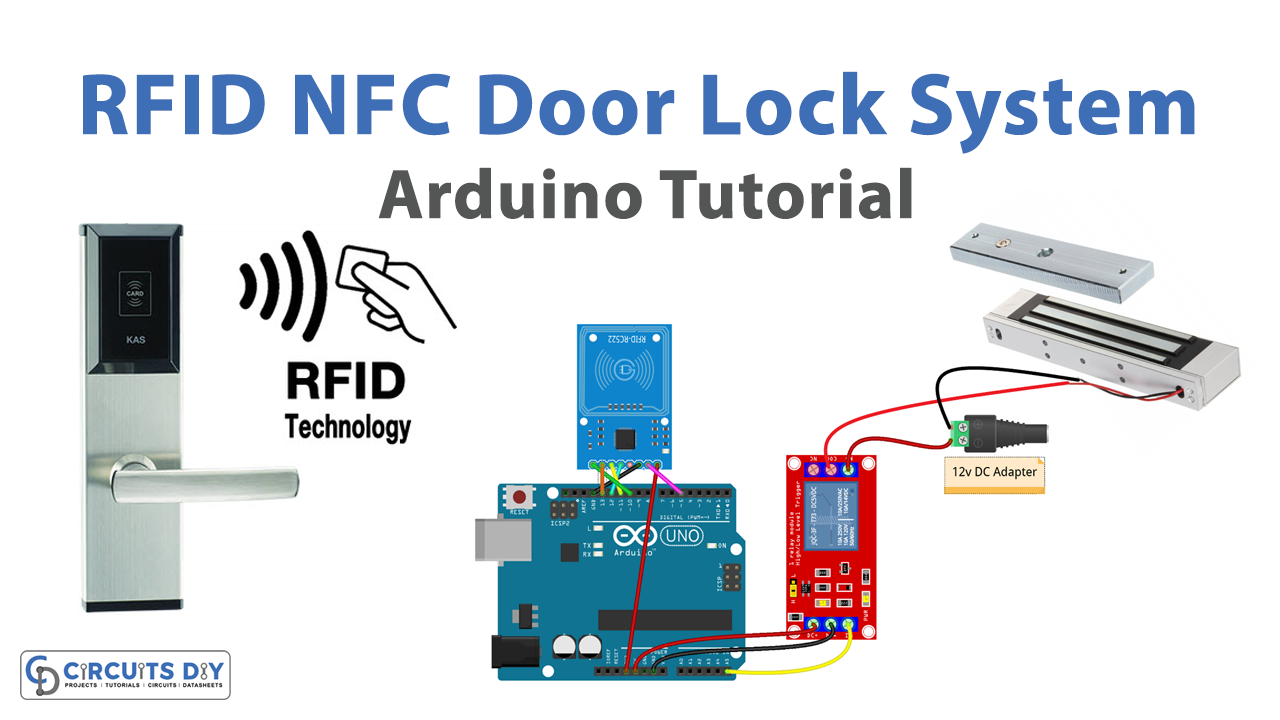
It’s oddly satisfying, isn't it? A clean sweep, a fresh start for your lock's memory banks.
The Plot Twist: Advanced Features (Optional but Fun!)
Some fancy locks come with extra tricks up their digital sleeves. These are like bonus levels in your programming adventure.
Think one-time codes for service people, valid for just a single entry. Or timed codes for a babysitter, active only during specific hours.
There might even be a vacation mode that disables all regular user codes, making it extra secure while you’re away.
It's like your door has a secret life, full of clever little automations.
Exploring these features can be a delightful detour, turning you into an even more sophisticated digital guardian.
Who knew a door lock could be so... versatile?
The Moment of Truth: Testing, Testing...
You've done it! The codes are programmed, deleted, and maybe even scheduled. Now, for the grand finale.
Stand outside your door. Take a deep breath. Enter your shiny new code.
Hold your breath. Listen for the whirring, the satisfying thunk or click of the bolt retracting.
The door opens! A small cheer escapes your lips. Victory!
"Did it work? Or did you accidentally program it to open for squirrels? The suspense is real!"
That moment of successful entry is pure gold. It's the culmination of your patience and button-pressing prowess.
You didn't just open a door; you commanded it to obey.

The Unpopular Opinion (Whispered Confession)
Here's my secret, perhaps unpopular, thought. We all grumble about technology sometimes. We roll our eyes at manuals.
But when you finally crack the code, literally, for your door lock, there's a tiny thrill.
A spark of pure, unadulterated achievement. You've navigated the digital labyrinth and emerged victorious.
It’s a mini-adventure hiding in plain sight, a small puzzle solved in your everyday life.
We secretly enjoy the challenge, the brief moment of feeling like a low-key tech wizard.
It’s not just programming a door; it’s a modern rite of passage, a testament to our adaptability.
Embrace the beeps, the flashing lights, the manual's tiny font. They are your allies in this quest.
You're not just securing a door; you're conquering a tiny digital Everest, one button press at a time.
This shared struggle, this tiny triumph, makes us all part of the same secret club of door-lock-programmers.
Troubleshooting: When Things Go Sideways
Of course, sometimes the lock responds with a defiant buzz-buzz-buzz or a mysterious silence. This is the universe testing your resolve.
Don't panic! It happens to the best of us. Even seasoned digital gatekeepers make mistakes.
Go back to step one: the manual. Yes, that manual. It might hold the forgotten key (pun intended).
Perhaps you missed a confirming #, or held a button for too long, or not long enough.
Take a deep breath. Try again, slowly, deliberately. Each press counts.

It's a patience test disguised as a security upgrade, and you are up to the task.
Remember that feeling of triumph from before? It's waiting for you, just beyond this temporary setback.
The Payoff: Digital Freedom
Once everything is set, the rewards are immense. No more fumbling for keys in the pouring rain, juggling groceries.
No more hiding spare keys under a suspiciously obvious rock, risking discovery.
Just a simple code, a quick press, and click! The door opens, welcoming you home with open arms.
This little bit of programming gives you a grand bit of convenience and peace of mind.
It’s a secret handshake between you and your home, a seamless entry into your sanctuary.
A digital high-five for a job well done, every single time you arrive.
The Joy of the Beep
That little chime, that reassuring buzz, that definitive click.
It's the soundtrack of modern living, secured by your own efforts, your own cleverness.
You didn't just program a lock; you mastered a small machine, bending it to your will.
Give yourself a well-deserved pat on the back. You earned that effortless entry.
The door lock, once a confounding mystery, is now your obedient digital servant, ready for duty.
Until next time you decide to change a code, of course. Then, the adventure begins anew!