
How To Prepare Lawn For Winter
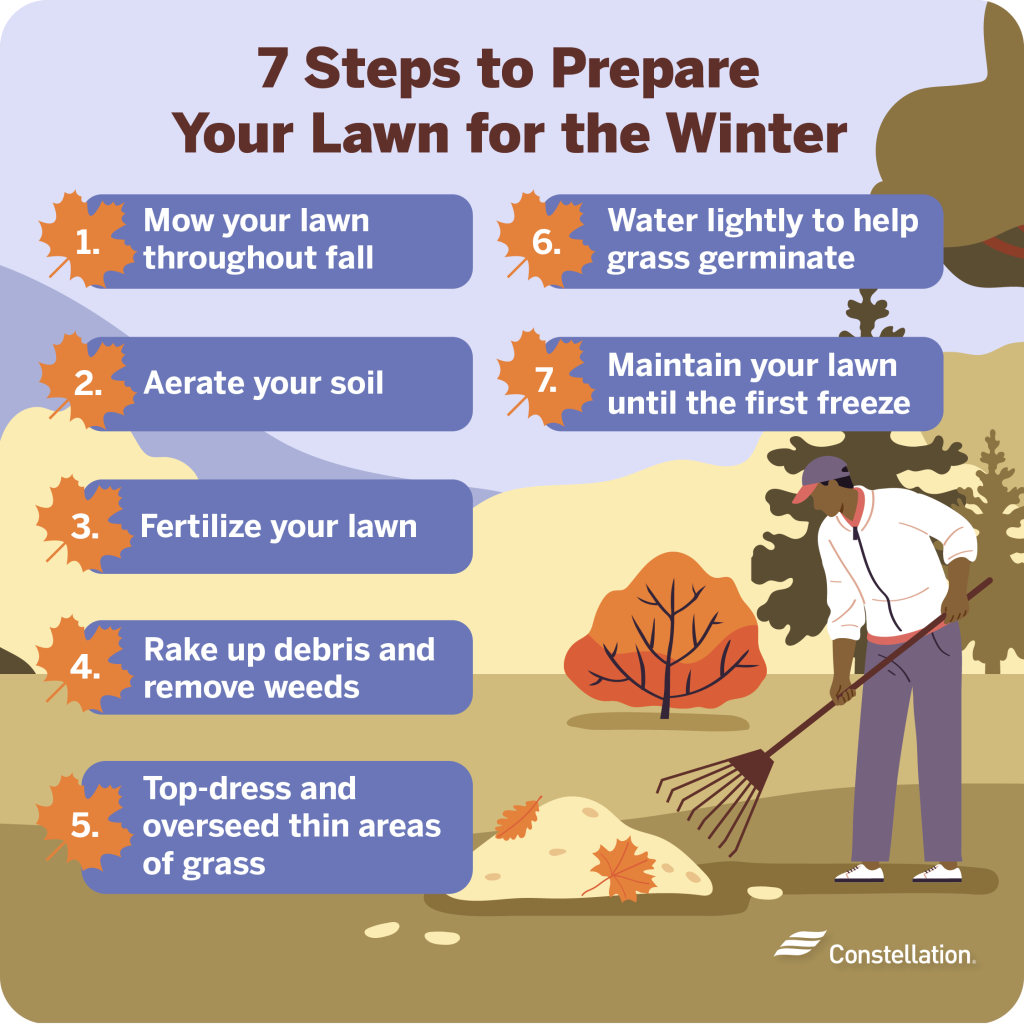
As the days grow shorter, the air gets that crisp, apple-cider feel, and the leaves put on their spectacular, fiery show, it's easy to get swept up in all things pumpkin spice and cozy. But before you fully surrender to chunky sweaters and hot cocoa, let's take a moment for a very important autumn ritual: tucking your lawn in for its long winter's nap. Think of it as giving your green companion a spa treatment before its much-deserved rest. A little effort now means a lusher, happier lawn when spring rolls around. Trust us, future you will be patting present you on the back!
The Last Hurrah of the Mower
You might be tempted to put the mower away for good, but hold your horses (or your trimmers!). Your lawn needs a few final trims. Aim to gradually lower your mower blade for the last couple of cuts. For that absolute final mow, set it to about 2 to 2.5 inches. Why? Taller grass can mat down under snow, inviting nasty fungi like snow mold. Too short, and you stress the roots. This happy medium is like a perfect chic haircut for winter.
Fun Fact: Grass doesn't just stop growing overnight! It actually continues to photosynthesize and grow until the first hard, consistent frost. So, keep an eye on the weather, not just the calendar.
Must Read
The Leaf Situation: Rake, Blow, or Mulch?
Autumn's glorious confetti looks beautiful blanketing your yard, but it's not ideal for your grass. Piles of leaves can smother your lawn, block sunlight, and create damp, dark conditions perfect for disease. You have a few options:
- Rake It Up: The classic, albeit back-breaking, method. Gather them for composting or municipal pick-up.
- Blow 'Em Away: Faster than raking, but where do they go? Usually into neat piles for later disposal.
- Mulch It In: Our favorite! If you have a mulching mower, simply run over the leaves. Chop them into tiny pieces (smaller than a dime) and let them settle into the lawn. This returns valuable nutrients to the soil, acting as a natural fertilizer. It's like giving your lawn a cozy, nutritious blanket!
Whichever method you choose, just ensure your lawn isn't completely buried under a heavy leaf layer. A thin, finely mulched layer is okay, a thick matted one is not.

The Winterizer: Feeding for the Future
This is arguably the most crucial step for winter lawn prep. Applying a "winterizer" fertilizer is like giving your lawn a hearty, sustaining meal before it hibernates. Look for a fertilizer that's higher in potassium (the third number in the NPK ratio, e.g., 5-10-20 or similar). Potassium helps with root development, disease resistance, and overall hardiness, preparing the grass for cold stress.
Apply this fertilizer about 4-6 weeks before the ground freezes solid. The grass blades might not be actively growing, but the roots are! This late-season feeding encourages deep root growth, storing carbohydrates that will give your lawn a fantastic head start come spring. Think of it as investing in your lawn's future glow-up.
Aeration: Let Your Lawn Breathe
While not strictly necessary every year for everyone, aeration can work wonders, especially if you have compacted soil or heavy foot traffic. Aeration involves pulling small plugs of soil from your lawn, creating tiny channels. This allows water, nutrients, and air to penetrate deeper, reaching the grass roots more effectively. It’s like giving your soil a refreshing massage.
If you choose to aerate, doing it in the fall (after the summer heat, before the ground freezes) is ideal, allowing the soil to recover and roots to expand before winter sets in.
The Last Sip: Don't Forget to Water
It might seem counterintuitive to water your lawn when it's getting cold, but a good drink before winter is super important, especially if your region tends to have dry winters. Grass, even dormant grass, needs moisture to survive. A good deep watering before the ground freezes solid ensures the roots have enough hydration to withstand harsh winter winds and cold temperatures.
This is particularly true for evergreens and newly planted lawns. Aim for about 1 inch of water a week until the ground truly freezes. Just make sure to water early enough in the day that the water has time to soak in before freezing temperatures hit at night, which could lead to icy patches.
Equipment Care: A Nod to Next Year
Before you finally tuck away your lawn mower, give it some love. Clean off any grass clippings, sharpen the blade (or have it sharpened), and drain any remaining gasoline or add a fuel stabilizer. This prevents carburetor issues and ensures it's ready to roar to life next spring. Give your rakes, blowers, and spreaders a good clean too. A little maintenance now saves a lot of headaches later.
A Peaceful Transition
Preparing your lawn for winter isn't just about chores; it's about acknowledging the cycle of nature and setting things up for success. It's a bit like preparing yourself for a busy week by doing a little meal prep on Sunday, or getting your mind ready for a new season by decluttering your space. These small acts of care and foresight don't just benefit your lawn; they offer a quiet satisfaction, a sense of order, and a promise of vibrant life to come. So, embrace the calm of autumn, give your lawn the love it deserves, and look forward to a beautiful spring.
