
How To Play Michael Myers On Piano

Okay, so picture this: it's Halloween night, right? My neighbor, bless her heart, decides to throw a "spooky" piano recital for the kids. Think tiny ghosts made of construction paper and someone butchering "Monster Mash" on a keyboard. But then I showed up. And I decided to play... well, you guessed it. The Halloween theme. Let's just say, those construction paper ghosts suddenly seemed a LOT less cute. The look on their parents’ faces? Priceless. And that, my friends, is the power of John Carpenter's genius. Which leads us to the burning question:
How do you play Michael Myers on piano?
Alright, alright, settle down. I know what you’re thinking. "Play Michael Myers? Is that even possible?" Yes! And it’s not as hard as you think, especially if you've got some basic piano skills under your belt.
First things first: We're talking about the main theme from Halloween, composed by the legendary John Carpenter. It's simple, it's effective, and it's absolutely terrifying. Its brilliance lies in its minimalist approach. Think about it: it's basically just a few notes repeating, but the sheer dread it evokes is unmatched. I mean, seriously, have you ever heard anything so simple and yet so… impending doom-y?
Must Read
Understanding the Structure:
The main theme is in 5/4 time. Yes, 5/4! Don't freak out! It sounds complicated, but it just means each measure has five beats instead of the usual four. It gives the music a slightly off-kilter, unsettling feel, perfect for a stalking, silent killer, wouldn't you agree? I mean, imagine if it was in waltz time. Laughable, right?

The piece is primarily built around a simple, repetitive piano riff, often played with a heavy, almost robotic feel. We're not going for fancy here. We're going for scary. Think relentless. Think unstoppable. Think… you get the idea.
Breaking it Down: The Notes

Okay, here comes the slightly technical part, but I promise it won't hurt (too much). The main melody is primarily in D minor. You'll be using the notes D, E, F, G, A, Bb, and C.
The core of the theme goes something like this: D - F - A - D - (repeat). Simple, right? But the magic is in the execution. You want to play those notes with a deliberate, almost menacing weight. No flowery arpeggios here, people! We're aiming for the sonic equivalent of Michael Myers slowly walking towards you. Shudder
Tips for Nailing the Creepiness:
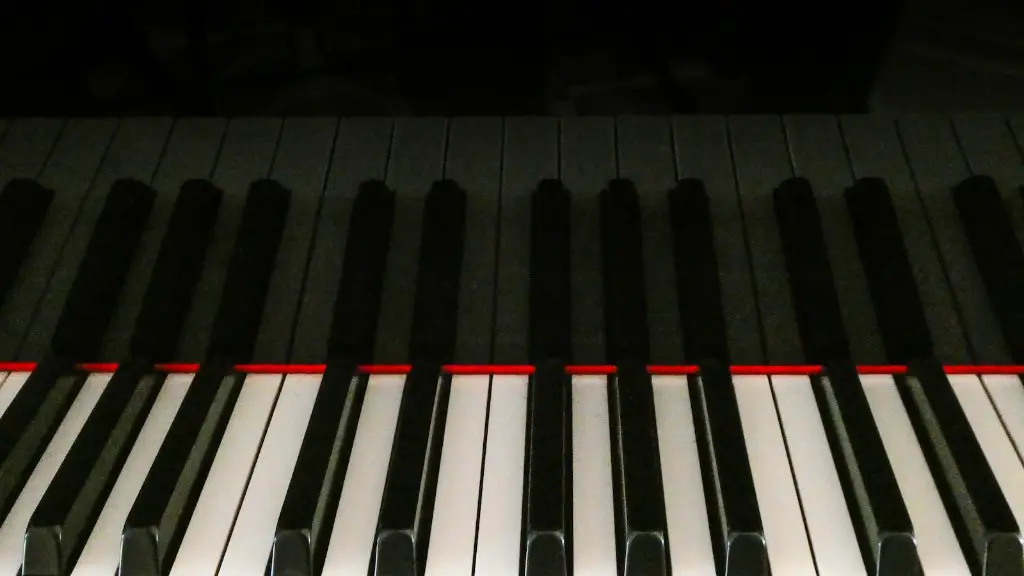
- Tempo: Slow and steady wins the race...or, in this case, the kill. Don't rush it! The slow, methodical pace adds to the tension.
- Dynamics: Start quiet, then gradually build to a louder, more menacing level. Think of it as the tension building as Michael gets closer.
- Touch: Staccato is your friend! Play the notes short and detached. This adds to the robotic, emotionless feel.
- Left Hand: Use your left hand to play a simple, repetitive bass line. This will help anchor the melody and create a more complete sound. Try just playing a simple D note on the beat. Easy peasy, lemon squeezy!
Beyond the Basics:
Once you've mastered the main riff, you can start to experiment. Try adding variations to the melody, or incorporating other elements from the Halloween score. There are tons of tutorials on YouTube if you want to get really fancy. (But honestly, the simplicity is what makes it so effective, so don’t overthink it.)

Final Thoughts:
Learning to play the Halloween theme on piano isn't just about learning the notes. It's about capturing the essence of the music. It's about channeling the feeling of dread, suspense, and pure, unadulterated terror. It's about becoming Michael Myers… musically speaking, of course. And maybe, just maybe, scaring the pants off your neighbors at the next "spooky" piano recital. You know, for fun. 😉
So go forth, and terrorize your keyboards! And remember, practice makes perfect… or, in this case, perfectly terrifying.