
How To Open A Sliding Glass Door Lock
Ever found yourself staring down a beautiful patio, the sun shining, birds singing, maybe even the smell of barbecue wafting through the air... but a stubborn sliding glass door lock stands between you and pure bliss? We’ve all been there! That moment of mild frustration, the subtle jiggle, the little push that goes nowhere. Well, get ready to turn those sighs into triumphant shouts, because today, we’re going to demystify the humble sliding glass door lock and unlock a whole new world of effortless outdoor enjoyment!
Think of this not just as learning a practical skill, but as embarking on a tiny, everyday adventure. Mastering something as seemingly simple as a door lock can actually be incredibly empowering. It’s about taking control, opening pathways (literally!), and ensuring that nothing, not even a tricky latch, holds you back from the good stuff. Ready to become a sliding door guru?
The Joys of a Smooth Slide
Imagine this: a spontaneous decision to step out onto the deck for a breath of fresh air. No wrestling with the door, no awkward tugging. Just a swift, confident motion, and voilà! You’re basking in the sunshine. Or perhaps you’re hosting a gathering, and the indoor/outdoor flow is utterly seamless. Your pet, eager for a romp in the yard, looks at you with adoring eyes as you effortlessly grant them access. See? This isn't just about a lock; it’s about freedom, flow, and maximizing your moments of joy!
Must Read
So, let's dive into the common culprits and how to outsmart them. No complicated manuals needed, just a little know-how and a sprinkle of confidence!
Meet the Lock Family: Your New Best Friends
1. The Thumb Latch/Lever Lock: The OG
This is probably the most common type, and often the first one people encounter. You’ll usually see a small lever or thumb-style latch on the inside handle of your sliding door.

- How it works: The mechanism slides a small hook or bolt into a strike plate on the door frame.
- Your move: Simply push or pull the lever with your thumb or finger. Sometimes it slides horizontally, sometimes it flips vertically. Once it's in the "open" position, you should feel the door release.
- Pro tip: Always ensure the door is fully closed before attempting to lock it, and sometimes a gentle push into the frame as you operate the latch helps it disengage smoothly.
“A classic for a reason! Simple, effective, and oh-so-satisfying when it clicks open.”
2. The Keyed Lock: Double Duty Defender
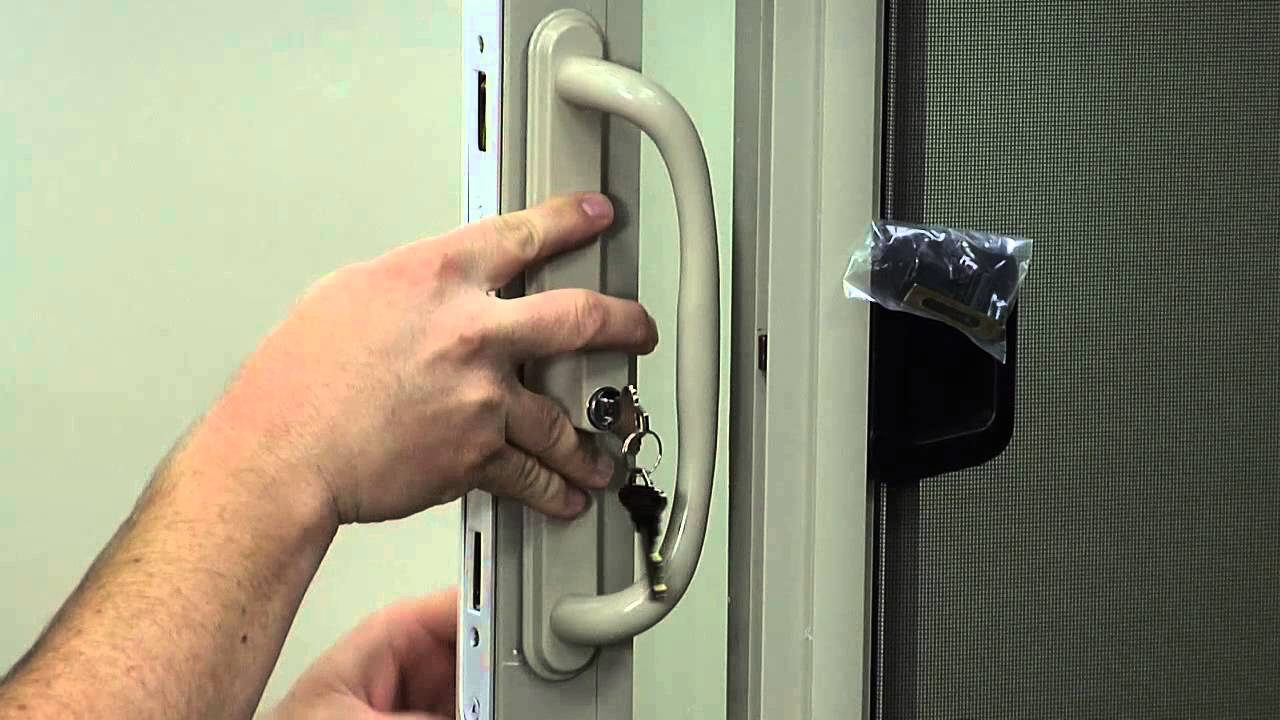
Many sliding doors also feature a keyed lock, often for extra security, or if you want to lock it from the outside. This might be a separate cylinder or integrated into the handle.
- How it works: A traditional key turns a cylinder, which then engages or disengages a bolt.
- Your move: Insert the correct key and turn it. You’ll usually hear or feel a click as the bolt retracts or extends. Once unlocked with the key, you might still need to operate an internal thumb latch or lever to open the door fully.
- Remember: Keep your keys handy! And if it feels stiff, a little graphite lubricant can work wonders (but more on troubleshooting later!).
“The guardian of your sanctuary! A little turn of a key, and BAM! Security and freedom, all in one.”
3. The Foot Lock/Security Bar: The Unsung Hero
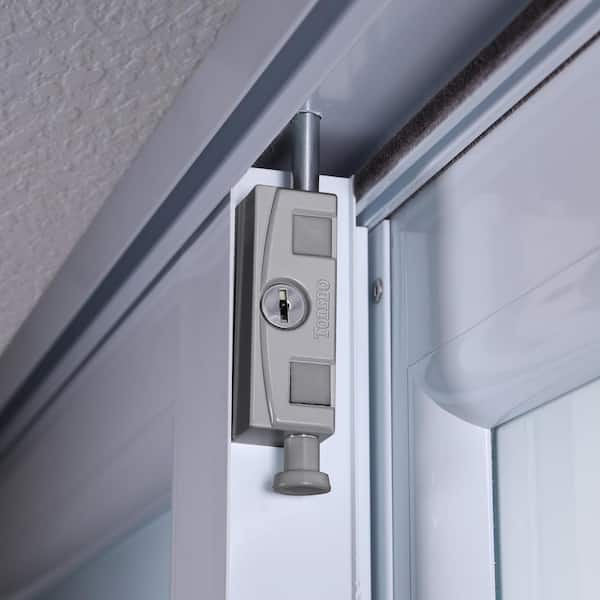
While not strictly part of the main handle lock, these are crucial for security and often need to be disengaged before you can open the door. These can be a bar placed in the track or a small lever operated with your foot.
- How it works: A metal bar or wedge prevents the door from sliding by blocking its path or a lever extends a bolt into the floor/frame.
- Your move: For security bars, simply lift it out of the track. For foot locks, push or pull the lever with your foot (or hand, if you prefer!) to disengage the bolt.
- Don't forget: These are often secondary security measures. Make sure your primary handle lock is also disengaged!
“The quiet muscle! These guys work behind the scenes to keep your home safe, so give them a nod before you slide on through.”
4. The Pin Lock: Simple Genius
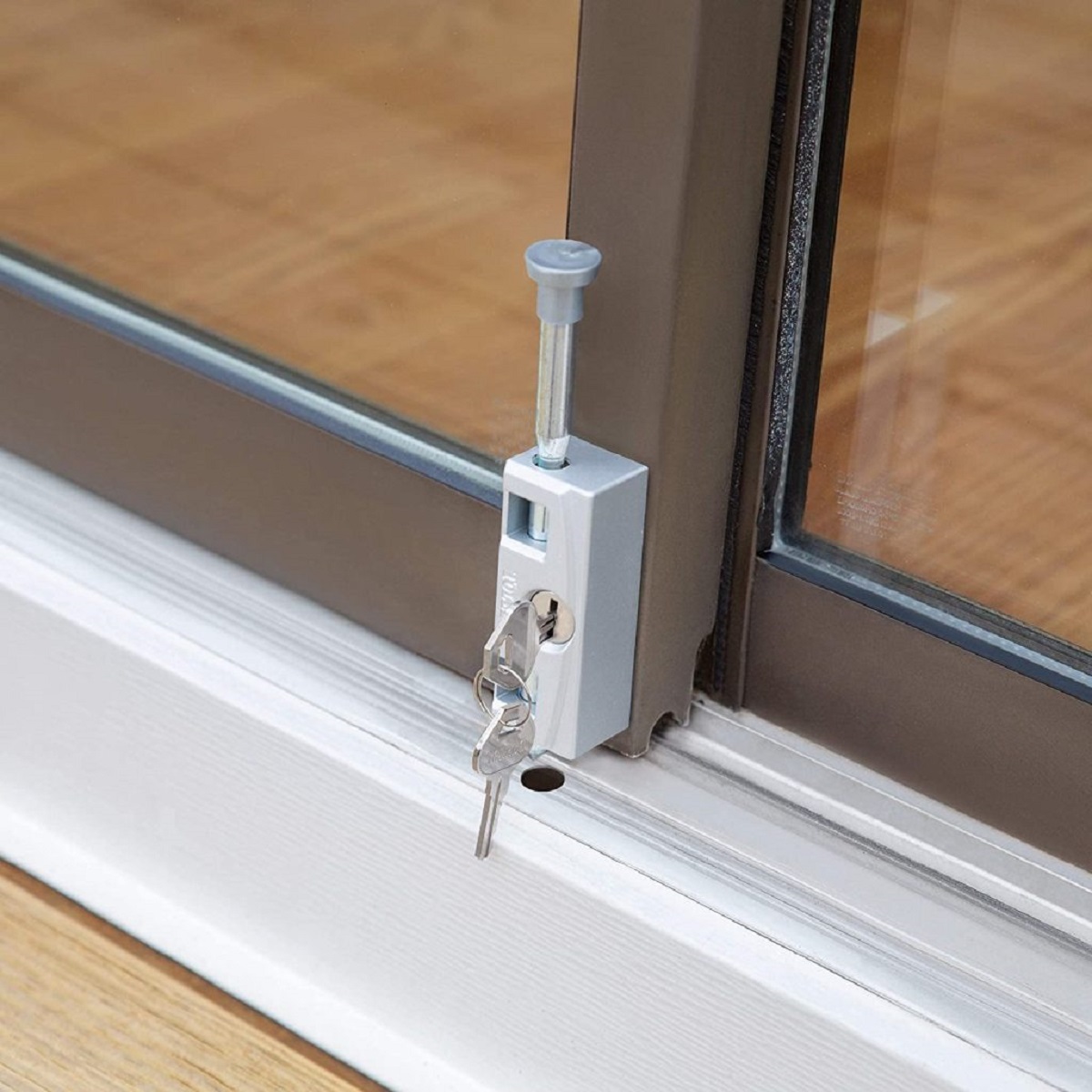
Some doors use a simple metal pin that goes through a hole in the sliding door frame and into the fixed frame, preventing movement.
- How it works: A pin physically blocks the door from sliding.
- Your move: Simply pull the pin out of its hole. Store it nearby so you don’t lose it!
“Sometimes the simplest solutions are the best. A pin, a hole, and a perfectly secure door!”
When Things Get a Little Sticky: Troubleshooting 101
Even with the right knowledge, sometimes locks can be a bit finicky. Don’t despair! Here are a few tricks up your sleeve:
- The Jiggle & Nudge: This is a classic for a reason. Sometimes a gentle jiggle of the handle or a slight nudge of the door into the frame can relieve pressure on the lock mechanism, allowing it to disengage.
- Clean Those Tracks: Often, it’s not the lock itself but the track that’s the problem. Dirt, debris, pet hair – it all adds up and can prevent the door from sliding freely, making the lock seem stuck. Grab a vacuum, a stiff brush, and wipe it clean!
- Lubrication Station: For stiff locks, a little spray lubricant (like WD-40 or silicone spray) directly into the keyhole or around the latch mechanism can work wonders. Just a small squirt, and often, it’ll be smooth as silk!
- Check for Obstructions: Are there any small objects, toys, or even an errant rug preventing the door from closing completely? A door that isn't fully seated won't allow the lock to engage or disengage properly.
“You’re a detective now! Every little problem is just a puzzle waiting to be solved, and you’ve got the tools!”
The Unlocked Life: Beyond the Door!
See? You’re already a pro! You’ve learned the secrets of the sliding glass door lock. But this isn't just about doors, is it? It’s about tackling small challenges with confidence, about understanding the mechanics of your everyday world, and about making your life a little smoother, a little more enjoyable.
Every time you effortlessly slide open that door now, you’ll feel a tiny surge of satisfaction. This small victory can ripple outwards, inspiring you to tackle other seemingly small, but equally impactful, life skills. Maybe it's finally fixing that wobbly chair, or learning to properly use that kitchen gadget that’s been intimidating you.
The world is full of little locks and levers, both literal and metaphorical, waiting for you to understand them. So go forth, embrace the fresh air, and remember: if you can master a sliding glass door lock, what else can you confidently unlock in your life? The possibilities are as wide open as your newly unlatched patio door!