
How To Measure Electricity Consumption
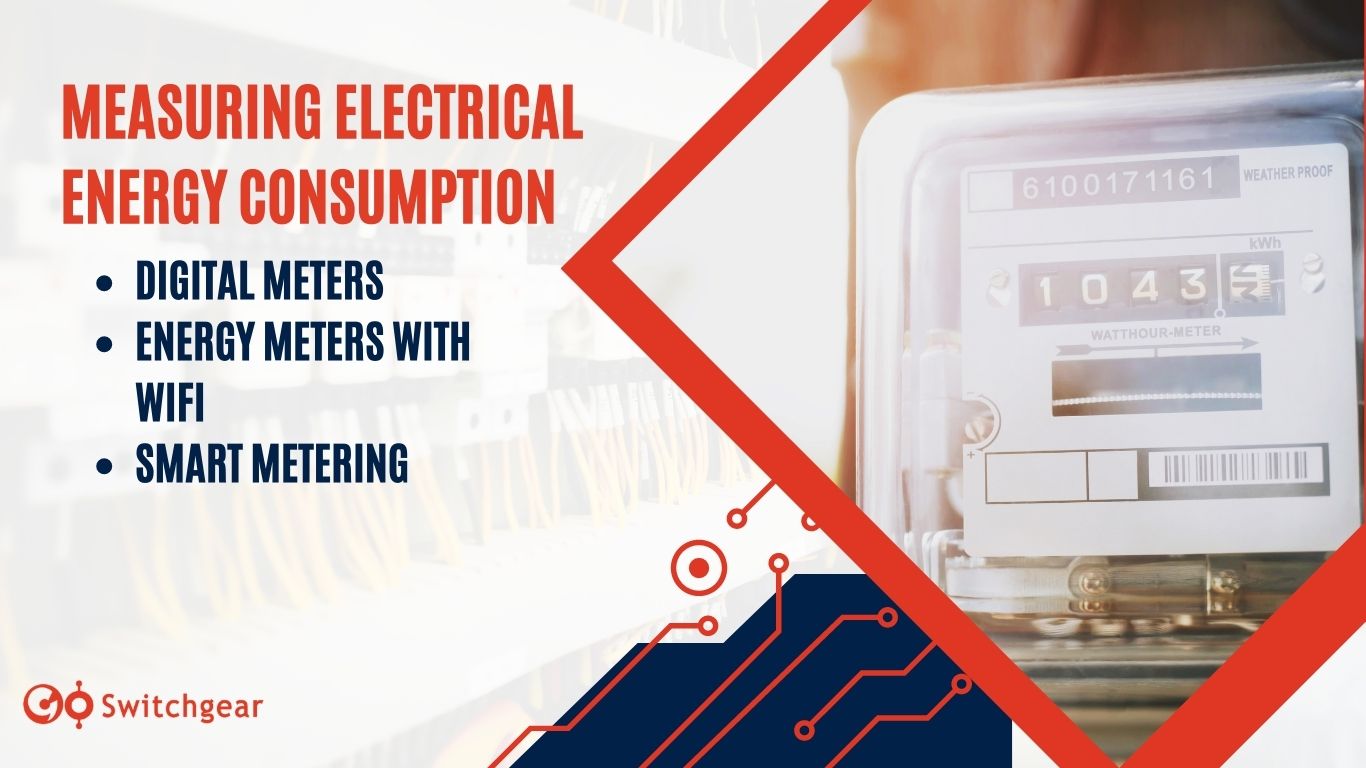
Ever stare at your electricity bill like it's written in ancient hieroglyphs? You're not alone. We all plug things in, we all flick switches, and then, bam, a number appears that makes your wallet weep. But how do you actually measure all that invisible energy swirling around your home? Well, I have an unpopular opinion. And it might just change the way you think about kilowatts forever.
Forget fancy gadgets. Skip the smart meters that send texts to your fridge. My method for measuring electricity consumption is far simpler. It's intuitive. It's primal. It involves your gut, a bit of detective work, and an acute understanding of the phrase, "Who left the lights on?!"
My secret? I don't measure electricity with numbers. I measure it with feelings. And occasionally, a very concerned glance at the electricity meter's blinking light.
See that little box outside your house? The one with the spinning dial or, more likely these days, a frantic flashing light? That's your electricity meter. Most people ignore it. Not me. I have a relationship with it. When the light blinks slowly, almost sedately, I know we're doing okay. Maybe just the fridge humming and a phone charging. A calm household. A happy meter.
But then, someone turns on the air conditioning. The washing machine starts its spin cycle. The kids fire up every console and television in the house. And suddenly, that little light starts doing the salsa. A rapid-fire blink, blink, blink! It's practically screaming, "We're using a lot of juice!" That, my friends, is my primary metric. The Meter Flash Frequency (MFF). High MFF? High consumption. Low MFF? High five!

Another crucial part of my measurement technique involves identifying the culprits. Who is the biggest electricity hog in your home? It's never you, of course. It's always the others. Is it the teenager who showers for an hour with the bathroom heater on full blast? Is it your partner who forgets to turn off the extra monitor when they leave the home office?
I find it's best to assign blame early. It helps with the emotional processing when the bill arrives. "Well, if only little Timmy hadn't left his gaming rig on all night..." See? Instant validation. You're not wasteful; they are! This isn't just about measurement; it's about energy accountability, my friends.
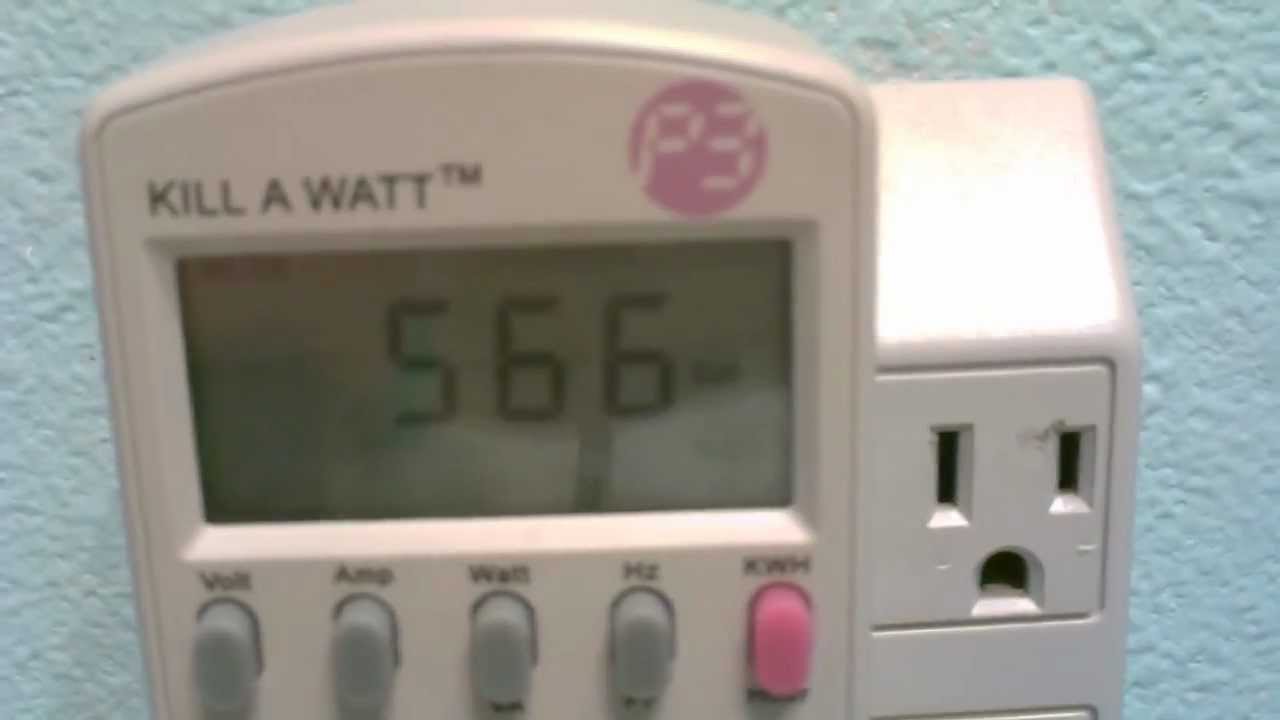
Ever notice how some things just sit there, quietly sipping power? They're the silent vampires of your electrical system. Your TV on standby. That phone charger plugged in, even when no phone is attached. The microwave clock, always glowing, always judging. I like to call these the "Ghost Consumers."
My measurement method involves a quick scan of the room. How many little red lights or glowing displays do I see? Each one is a tiny drip in your energy bucket. Too many drips, and soon you have a flood. My simple rule: if it's not doing anything useful, unplug it. If it's still plugged in, it's silently being measured as a contributor to your upcoming bill shock.

Okay, this one is pure genius. How do you know when you're using too much heating or cooling? You don't need a thermometer. You need your skin. Are you sweating buckets in winter because the heater is cranked to 30 degrees Celsius? Or shivering under a blanket in summer because the AC is blasting arctic air?
That uncomfortable feeling? That's your body telling you, loud and clear, "Too much electricity is being consumed here!" It's a biofeedback loop for your energy usage. Listen to your body. It's smarter than any smart thermostat. And it definitely won't send you annoying notifications.

The Grand Reveal: The Bill Shock Method
Let's be honest. All my clever blinking-light observations and blame-assigning rituals lead to one inevitable, undeniable truth: the monthly electricity bill. This is the final measurement. The undeniable proof. The cold, hard numbers that make you gasp or, on rare occasions, breathe a sigh of relief.
When that envelope arrives, or the email pops up, you suddenly have absolute clarity. Was my Meter Flash Frequency observation accurate? Did my blame game hold up? More often than not, the answer is a resounding yes. The bill doesn't just tell you how much you owe; it tells a story of your household's energy adventures. A story often filled with forgotten chargers and overly long showers.
So, next time you wonder how to measure electricity consumption, skip the complex calculations. Don't stress over watts and joules. Just trust your gut, keep an eye on that blinking light, and remember: if the bill makes you wince, you've probably measured plenty. It's less about precision and more about peace of mind (or lack thereof). Happy non-measuring, everyone!