
How To Make My Fire Alarm Stop Chirping
Ah, that sound. You know the one. That persistent, seemingly random, tiny chirp that slowly but surely drives you up the wall, often in the dead of night. It’s the universe’s way of testing your patience, isn’t it? Like a tiny, electronic bird trapped in your ceiling, mocking your attempts at peace and quiet. But fear not, weary warrior of slumber, because making that little pest pipe down is often easier than battling a rogue sock in the dryer.
That incessant chirping isn't a sign your house is haunted (usually!), but rather a very specific cry for help from your trusty fire alarm. It's its way of saying, "Hey! My battery is on its last leg here!" Think of it as your smoke detector's subtle, yet utterly infuriating, passive-aggressive text message. It's specifically designed to be annoying enough to get your attention before an actual emergency, which, when you think about it, is pretty smart – even if it feels like torture at 3 AM.
Playing Detective: Finding the Chirper
Before you start yanking every smoke detector off the ceiling (a valid but perhaps overkill reaction), let's get strategic. Often, the chirp isn't just one continuous sound. It's usually a single, short beep every 30-60 seconds. To pinpoint the culprit, you might need to embrace your inner detective. Stand still, listen intently, and try to identify the direction and distance. Sometimes, it helps to cup your ear. Walk around the house, room by room, until you can narrow down the general area. If you live in a multi-story home, remember sound travels weirdly, so check both up and down.
Must Read
A little trick? Some people suggest standing near each alarm for a full minute to hear its individual chirp cycle. It's like a silent disco of annoyance, and you're trying to find the DJ.
The Great Battery Swap-Out: Your Moment of Heroism
Once you’ve identified the offending unit, it’s time for action. This is where you become the hero of your own home, bringing sweet silence back to your abode. Here’s how to do it like a pro:

1. Gather Your Tools: You'll likely need a sturdy step ladder, a fresh battery (usually a 9-volt battery, but some modern units use AA or AAA, so check your alarm first!), and maybe a small flathead screwdriver for stubborn battery compartments.
2. Safety First! Before climbing, make sure your ladder is stable on a flat surface. If heights aren't your jam, or you have particularly high ceilings, enlist a friend or family member for moral support (and to hold the ladder!). Never stand on a wobbly chair.
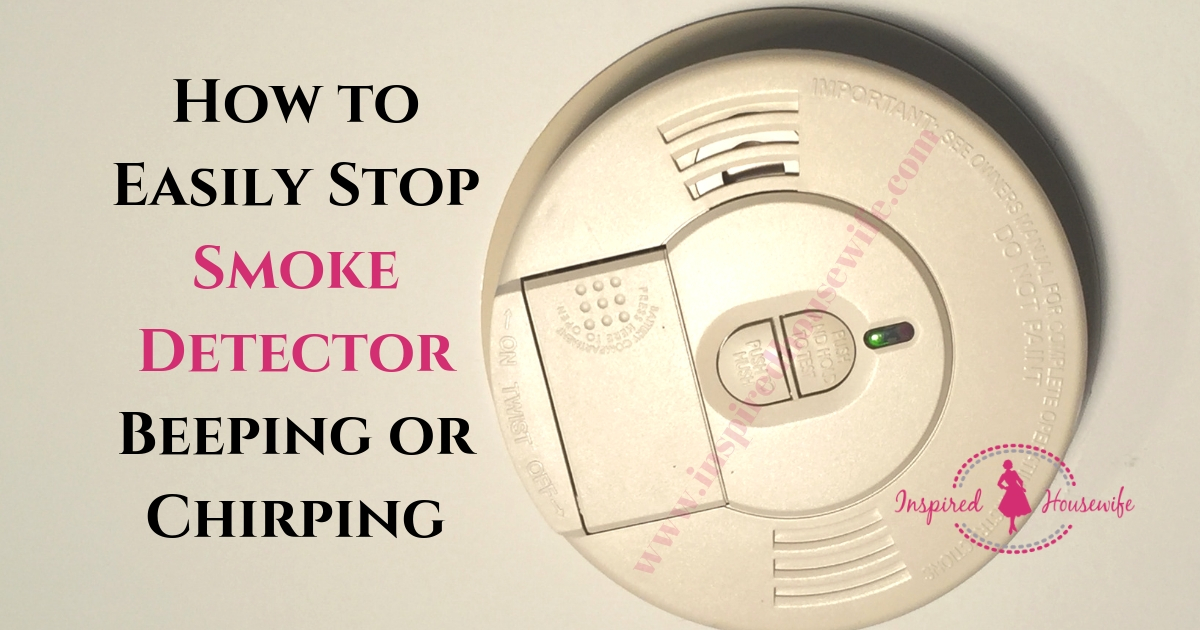
3. Open 'Er Up: Most smoke detectors have a twist-off or hinge mechanism. Gently twist the unit counter-clockwise or look for a small latch to release the cover. Don't be afraid to give it a firm but gentle tug. You're not going to break it (probably).
4. Replace the Battery: Carefully remove the old battery. Note its orientation (plus and minus ends) before you pop in the new one. Ensure it snaps snugly into place. You might hear a quick, confident chirp or beep right after insertion – that's often a good sign!

5. The Magic Reset Button: This is a crucial step many people miss. After replacing the battery, press and hold the "Test" button on the front of the alarm for a good 5-10 seconds. You should hear a loud, piercing alarm sound. This not only confirms the new battery is working but also clears the unit's internal memory that was signaling the low battery. Think of it as a hard reset for its little electronic brain.
6. Reinstall and Re-Test: Securely twist or close the alarm back into its base on the ceiling or wall. Give that "Test" button another press just to be absolutely sure. Peace of mind: activated.

A Quick Note on Hardwired Alarms
Even if your smoke detectors are hardwired into your home’s electrical system, they almost always have a backup battery. This battery kicks in during power outages, ensuring continuous protection. So, if a hardwired unit is chirping, it’s still likely just asking for a battery swap, not an electrician.
What If It's Still Chirping? (The Plot Twist)
Okay, you've done the swap, you've pressed the test button, and it's still chirping. What gives? Don't panic! Here are a few quick fixes:
- Dust Bunnies: Sometimes, dust or insects can interfere with the sensor. Take the unit down and give it a gentle vacuum or wipe it down.
- The Age Factor: Smoke detectors aren't forever. Most manufacturers recommend replacing them every 10 years. There should be a "replace by" date on the back. If it's passed its prime, it might be time for a brand new unit.
- Manufacturer Reset: Some units have a specific reset procedure (e.g., removing the battery, holding the test button for 30 seconds, then reinserting). Check your specific model's manual if you still have it.
A Small Win, A Big Impact
There’s something incredibly satisfying about tackling those little household annoyances. Making your fire alarm stop chirping isn't just about restoring silence; it's a small act of domestic heroism. It's about taking control, maintaining your space, and ensuring your home is both safe and serene. So next time that chirp starts, remember, you've got this. You're not just changing a battery; you're reclaiming your quiet, one peaceful beep-free moment at a time. And honestly, who doesn't deserve that?