How To Make A Windmill To Produce Electricity

Ever felt the urge to harness the power of the wind, not just for fun, but to actually create something useful? Building a windmill that generates electricity might sound like a complex engineering feat, but trust me, it's a surprisingly accessible and incredibly rewarding project. In a world increasingly focused on sustainable energy, understanding how these mini power plants work is more relevant than ever. It's a chance to turn a breezy afternoon into a source of clean energy, learn about physics in a hands-on way, and even contribute to a more environmentally friendly lifestyle.
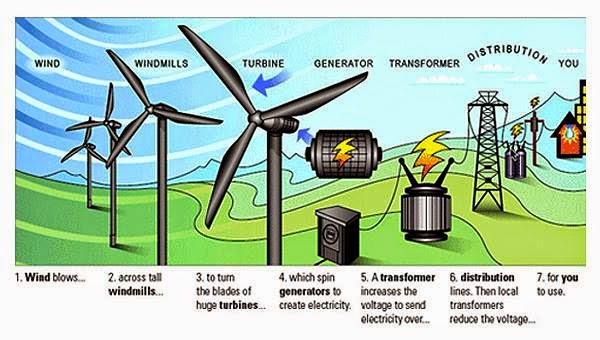
The purpose of a homemade windmill is pretty straightforward: to convert the kinetic energy of the wind into electrical energy. The blades of the windmill capture the wind, causing them to rotate. This rotation, through a series of mechanical components (usually a generator or dynamo), is then converted into electricity. The benefits are numerous! You can power small electronics, charge batteries, or even light up an LED. Beyond the practical applications, building a windmill provides a fascinating glimpse into the principles of renewable energy, mechanical engineering, and basic electronics.
Windmills are already making a difference in education and daily life, even on a small scale. Schools often use them as demonstration projects to teach students about energy conversion, aerodynamics, and environmental science. At home, a small, DIY windmill could power a garden light, charge your phone (albeit slowly!), or simply serve as an engaging science project for the family. Think about it: you’re essentially creating your own miniature power grid fueled by nothing but the breeze! Farmers are using windmills to aerate ponds, pump water to their live stocks and even light up their yards during nighttime.
Must Read
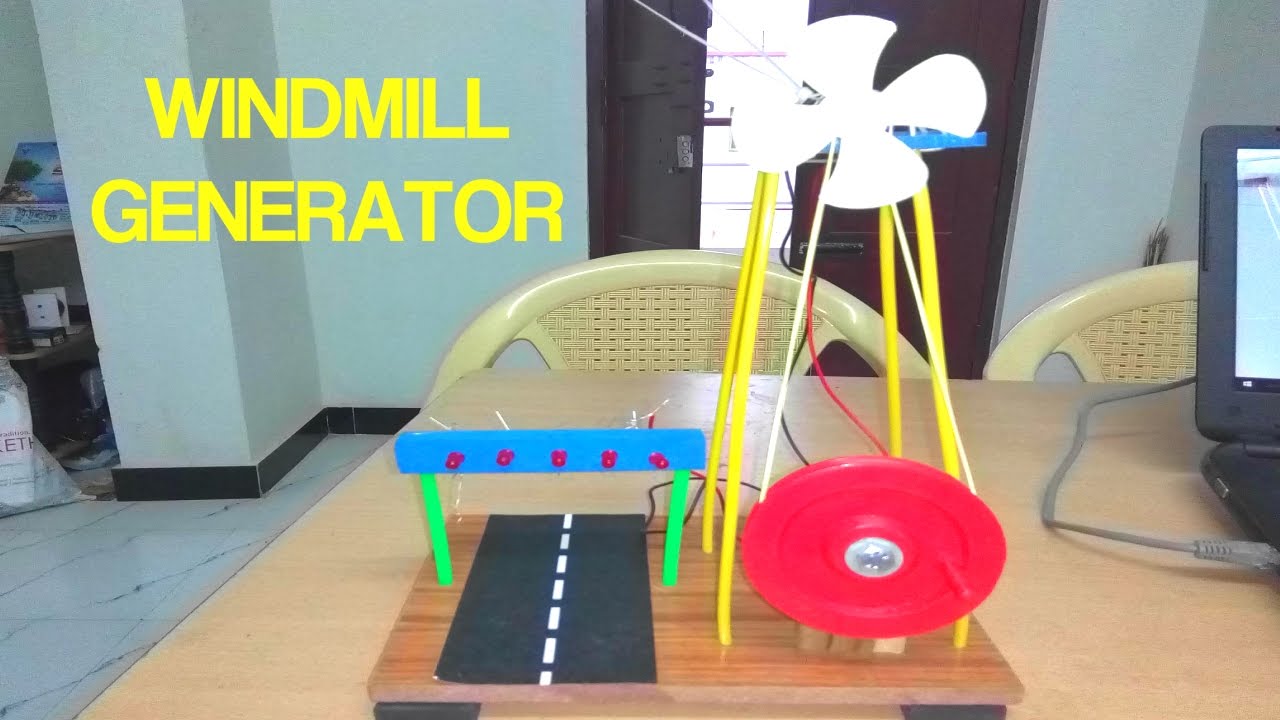
So, how can you get started? There are tons of resources available online, from step-by-step guides to detailed schematics. A simple starting point could involve using readily available materials: PVC pipes for the blades, a small DC motor as a generator, and some wire. The key is to start small and experiment. Don't be afraid to tinker and modify your design! Start with a basic understanding of the components involved - the blades (design, angles and materials), the generator, and the wiring. The fun is in the discovery and problem solving.
Here are some practical tips to get your project off the ground. First, find a location with consistent wind exposure. Even a slight change in placement can dramatically affect performance. Second, optimize your blades. Experiment with different shapes and angles to find what captures the most wind. Third, ensure all your connections are secure and well-insulated to avoid short circuits. Finally, be patient! Building a functional windmill takes time, persistence, and a willingness to learn from your mistakes. Explore the possibilities, from building small vertical axis wind turbines (VAWTs) that are easier to implement to modifying your own design for better performance. The journey to creating your own electricity is not only possible, but it's an empowering and educational adventure!