
How To Lower C Reactive Protein Naturally
Okay, friend! Let's talk about something you might not be thinking about every day, but definitely should be aware of: C-Reactive Protein, or CRP for short. Don't worry, it's not as scary as it sounds! Think of it like this: CRP is your body's little messenger that tells you if there's any inflammation hanging around. And while a little inflammation is normal (it's part of the healing process!), too much can be a party crasher. So, how do we naturally lower those CRP levels and keep the good times rolling? Let's dive in!
Why Should You Care About CRP?
Good question! CRP is a marker of inflammation in your body. Elevated CRP levels can be associated with an increased risk of a bunch of things we'd rather avoid, like heart disease, diabetes, and even some cancers. Now, I'm not saying having slightly elevated CRP means you're doomed (absolutely not!), but it's definitely a signal to pay attention and make some positive lifestyle tweaks. Consider it a friendly nudge from your body saying, "Hey, maybe we can dial down the inflammation a bit, eh?"
Food is Your Friend (and Inflammation's Foe!)
Alright, let's get to the good stuff: food! What you eat plays a HUGE role in your body's inflammation levels. Think of it as fueling a bonfire: you can either throw on damp leaves that smolder and create lots of smoke (inflammation), or you can use dry, clean wood that burns efficiently.
Must Read
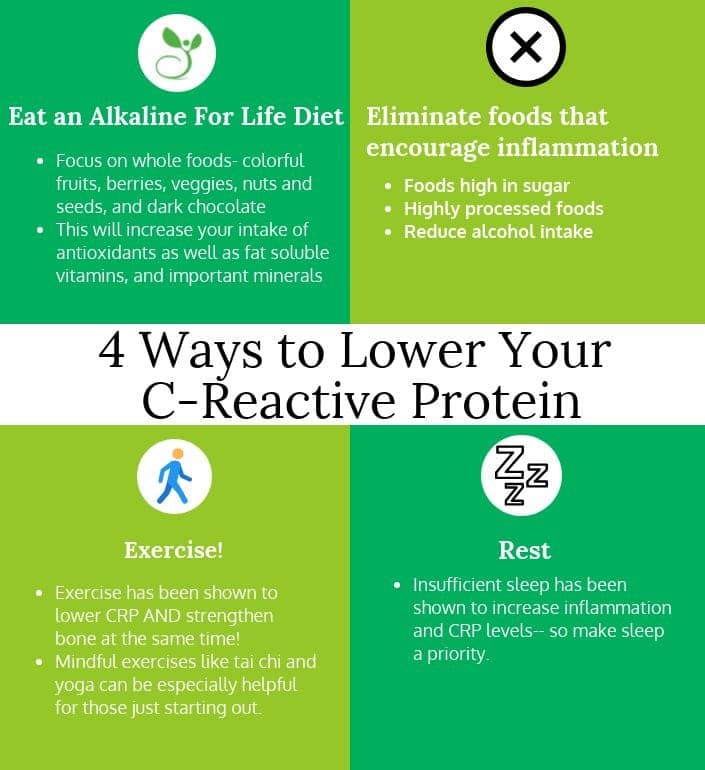
Embrace the Rainbow: Load up on colorful fruits and veggies. Berries are your superstars! They're packed with antioxidants, which are like little firefighters putting out the inflammatory flames. Think blueberries, strawberries, raspberries...the whole berry crew! Spinach, kale, and broccoli are also inflammation-fighting champions. Seriously, eat them like your life depends on it (okay, maybe not that dramatically, but you get the idea!).
Go Mediterranean (Even If You Don't Live There): The Mediterranean diet is basically an anti-inflammatory powerhouse. Think olive oil (the good stuff!), fatty fish (salmon, tuna, mackerel – all loaded with omega-3s!), nuts, seeds, and whole grains. Delicious and good for you? Sign me up!

Ditch the Processed Stuff: This is a big one. Processed foods, sugary drinks, and excessive amounts of red meat can all crank up inflammation. Think of them as the damp leaves we talked about earlier. Try swapping out processed snacks for whole foods. For example, instead of grabbing a bag of chips, reach for an apple with some almond butter. Small changes can make a HUGE difference!
Move Your Body, Love Your Body
Exercise isn't just about fitting into your favorite jeans (though that's a nice perk!). It's also a powerful tool for reducing inflammation. Regular physical activity helps keep your body in tip-top shape and keeps inflammation at bay.
Find Something You Enjoy: The key here is to find something you actually like doing. Don't force yourself to run marathons if you hate running. Maybe it's dancing, swimming, hiking, yoga, or even just a brisk walk in the park. The point is to get moving and have fun! Aim for at least 30 minutes of moderate-intensity exercise most days of the week.
Listen to Your Body: Don't overdo it! Overtraining can actually increase inflammation. Pay attention to your body's signals and rest when you need to. Recovery is just as important as the workout itself.
Sleep, Stress, and Serenity
Sleep Like a Baby (Or at Least Try To!): Lack of sleep is a major stressor on your body, and stress equals inflammation. Aim for 7-8 hours of quality sleep each night. Create a relaxing bedtime routine to help you wind down. Think warm baths, reading a book, or listening to calming music.

Stress Less: Easier said than done, right? But chronic stress can wreak havoc on your body and contribute to inflammation. Find healthy ways to manage stress, such as meditation, yoga, spending time in nature, or talking to a therapist. Remember, taking care of your mental health is just as important as taking care of your physical health.
Hydrate, Hydrate, Hydrate!: Water is your friend! Staying properly hydrated helps your body function optimally and can reduce inflammation. Aim for at least eight glasses of water a day.
Supplements: A Helping Hand?
While a healthy diet and lifestyle are the cornerstones of reducing inflammation, certain supplements may offer additional support. Talk to your doctor before starting any new supplements, especially if you have any underlying health conditions or are taking medications. Some supplements that have been shown to help reduce inflammation include:

- Omega-3 Fatty Acids: Found in fish oil and flaxseed oil.
- Curcumin: The active compound in turmeric.
- Ginger: Has powerful anti-inflammatory properties.
The Bottom Line: Small Changes, Big Impact
Lowering your CRP levels naturally is all about making small, sustainable changes to your lifestyle. It's not about deprivation or drastic measures. It's about making conscious choices that support your body's natural healing processes.
Start Small: Pick one or two things from this article that you can realistically implement into your daily routine. Maybe it's adding a serving of berries to your breakfast or taking a 20-minute walk each day. Over time, these small changes will add up to big results.
Remember, you're not alone on this journey! There's a wealth of information available online and in books. The important thing is to start learning and experimenting to see what works best for you. So, go forth and conquer those CRP levels! You've got this!