
How To Lower Blade On Lawn Mower
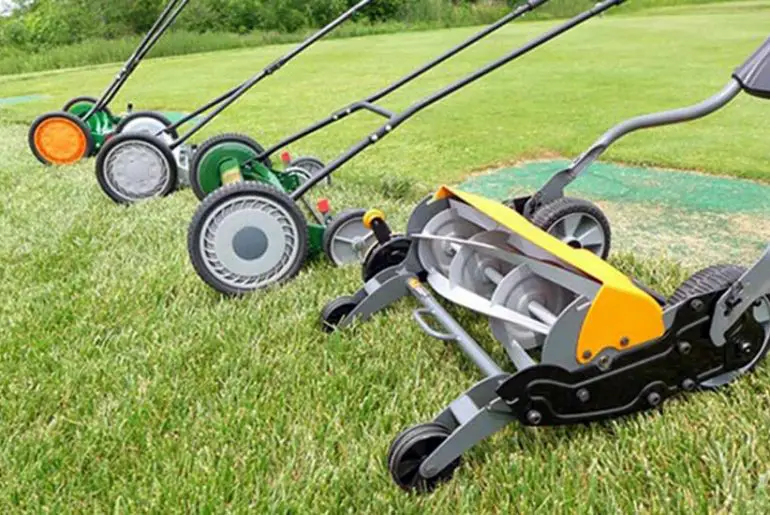
Ever gazed out at a perfectly manicured lawn and wondered, "How do they get it so... just right?" Or perhaps you’ve battled a patchy, uneven expanse of green and wished for a secret superpower to tame it. Well, dear reader, the secret isn't a superpower, but rather a simple, yet often overlooked, bit of everyday mechanical magic: knowing how to lower the blade on your lawn mower. It sounds incredibly basic, doesn't it? But trust me, understanding this subtle art can transform your lawn care from a chore into a rewarding act of nurturing.
At its heart, adjusting your mower's blade height is all about tailoring the cut to your lawn's specific needs. Its primary purpose is to allow you to dictate precisely how much grass you're removing with each pass. The benefits are surprisingly far-reaching. Firstly, and most importantly, it contributes to a healthier lawn. Cutting too short, often called "scalping," stresses the grass, makes it more susceptible to weeds and diseases, and inhibits root growth. Conversely, cutting at the optimal height encourages deeper roots, which makes your lawn more drought-tolerant and robust. Secondly, there’s the sheer aesthetic pleasure. An evenly cut lawn, tailored to its variety of grass, simply looks better – think golf course green versus a shaggy, overgrown field. It can even help with pest control, as taller grass provides shade that deters some weeds from germinating. Plus, there’s the undeniable satisfaction of seeing the fruits of your thoughtful labor spread out before you.
So, where does this practical knowledge pop up in our daily lives or even offer a touch of educational insight? In daily life, it's a cornerstone of good gardening. Imagine spring, when your grass is bursting with new growth – you might start with a slightly higher cut to gently ease it into the season, then gradually lower it to your desired height. In the scorching heat of summer, keeping the blade a little higher can actually shade the soil, retaining moisture and protecting delicate roots from sun damage. Different grass types also demand different heights; St. Augustine grass thrives when left longer, while Bermuda grass often prefers a shorter trim. For budding young scientists or engineers, it's a fantastic hands-on lesson in simple mechanics, lever systems, and even a bit of plant biology – understanding how photosynthesis is affected by leaf surface area.
Must Read
Ready to try it yourself? Most modern mowers make it wonderfully simple. You’ll typically find a single lever near one of the wheels that adjusts all four wheels simultaneously, or perhaps individual levers or knobs at each wheel. Always, and I mean always, ensure your mower is turned off and the spark plug wire is disconnected before you go poking around the blades. This is non-negotiable for safety! Then, locate the adjustment mechanism. You’ll usually see numbers or notches indicating different height settings. Start by checking your mower's manual for recommended heights for your specific grass type. A great rule of thumb is the "one-third" rule: never cut more than one-third of the grass blade at any single mowing. If your grass is very long, make multiple passes, lowering the blade incrementally. Observe your lawn – it will tell you if it's happy or stressed. Experiment a little, gently, and you'll soon discover the perfect height that makes your lawn sing!
![5 Steps How to Lower Lawn Mower Blade? [Step by Step]](https://mowersboy.com/wp-content/uploads/2022/03/Lower-a-Lawn-Mower-Blade-2.png)
![5 Steps How to Lower Lawn Mower Blade? [Step by Step]](https://mowersboy.com/wp-content/uploads/2022/03/shutterstock_2081096314.jpg)
![5 Steps How to Lower Lawn Mower Blade? [Step by Step]](https://mowersboy.com/wp-content/uploads/2019/08/Poulan-Riding-Lawn-Mowers-770x515.jpg)
![5 Steps How to Lower Lawn Mower Blade? [Step by Step]](https://mowersboy.com/wp-content/uploads/2020/08/How-To-Jump-Start-A-Lawn-Mower-ss-770x515.png)