How To Know If Your Dryer Is Gas Or Electric
Let's face it, we take our dryers for granted. They're the unsung heroes of laundry day, silently and efficiently transforming soggy clothes into warm, fluffy comfort. But have you ever stopped to consider what actually powers this marvel of modern convenience? Knowing whether your dryer is gas or electric isn't just a matter of trivia; it's crucial for everything from basic safety to understanding your energy bill and even…creative repurposing!
That’s right, even artists and hobbyists can benefit from this seemingly mundane knowledge. Imagine you’re a sculptor looking to create a kinetic artwork using repurposed appliance parts. Knowing the original energy source of your dryer could inform the design, allowing you to incorporate the motor, heating element, or even the gas line (safely, of course!) into your piece. Casual learners and DIY enthusiasts might want to understand their home's energy systems better. Think of it as unlocking another level of homeowner skill – a badge of domestic proficiency!
Consider the possibilities: An electric dryer motor could be the power source for a miniature carousel, while the drum of a gas dryer, once cleaned and prepped, could become the canvas for a stunning mosaic art project. The heating element, with proper safety precautions, could even inspire a unique lighting fixture. Beyond art, understanding the dryer's fuel type is important for simple maintenance tasks. Electric dryers have different troubleshooting steps than gas dryers. A basic understanding of which type you have can go a long way.
Must Read
So, how do you figure out this crucial piece of information? Here are a few simple ways to tell:

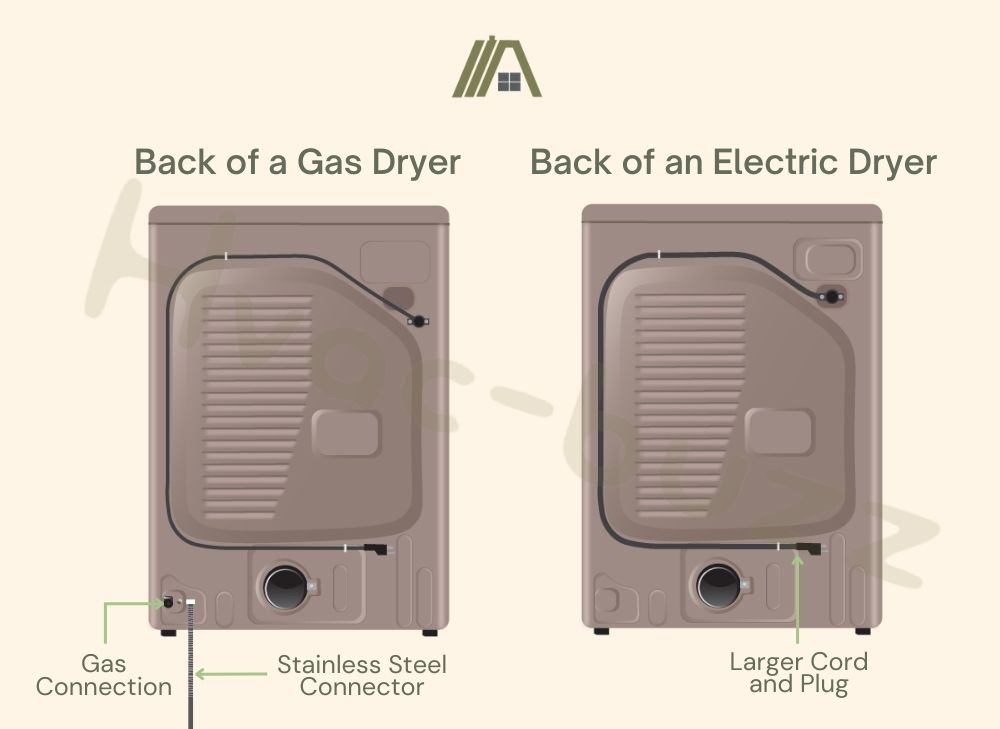
- The Outlet: This is usually the easiest clue. Electric dryers require a special 240-volt outlet, which is much larger than a standard wall socket. It typically has three or four prongs in a distinctive configuration. Gas dryers, on the other hand, use a standard 120-volt outlet, mainly for the controls and timer.
- The Vent: While both types of dryers have vents to exhaust hot air, gas dryers require a much more robust venting system. This is because they need to safely vent combustion gases. Look for a metal vent pipe that is wider and more securely connected than the typical flexible hose used for electric dryers.
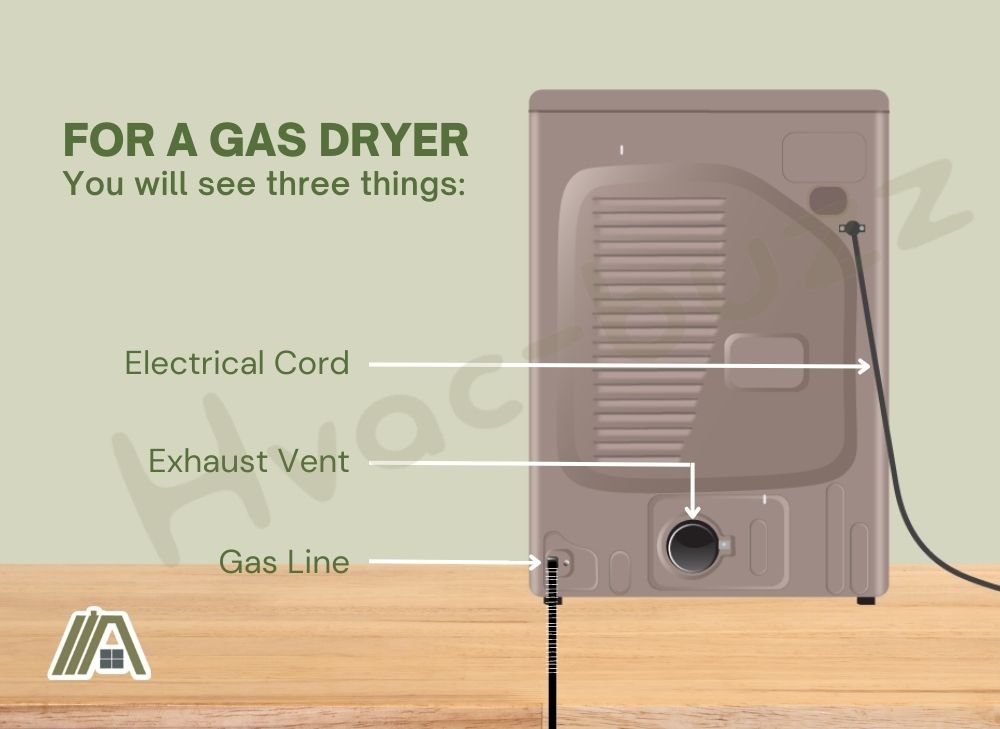
- The Connections: Take a peek behind the dryer (after unplugging it or turning off the gas, of course!). An electric dryer will have only an electrical cord plugged into the wall. A gas dryer will have both an electrical cord and a gas line (usually a flexible yellow or black pipe) connected to the appliance.
- The Owner's Manual: Of course, the most reliable source of information is the owner's manual. Dig it out of that dusty drawer or search for the model number online. The manual will clearly state the type of fuel required.
Trying this at home is surprisingly straightforward and incredibly rewarding. Not only will you gain valuable knowledge about your appliances, but you might also spark some creative ideas along the way. Remember to always prioritize safety when working with appliances and, if you're unsure about anything, consult a qualified professional.
Unraveling the mystery of your dryer's power source is more than just a practical exercise; it's an opportunity to connect with your home in a deeper way, to understand the systems that keep your life running smoothly, and perhaps even to unlock your inner artist. So, go ahead, take a look! You might be surprised at what you discover. It's enjoyable because it gives you ownership of your appliances, and a chance to flex those problem-solving skills!