
How To Know If Smoke Alarm Is Working
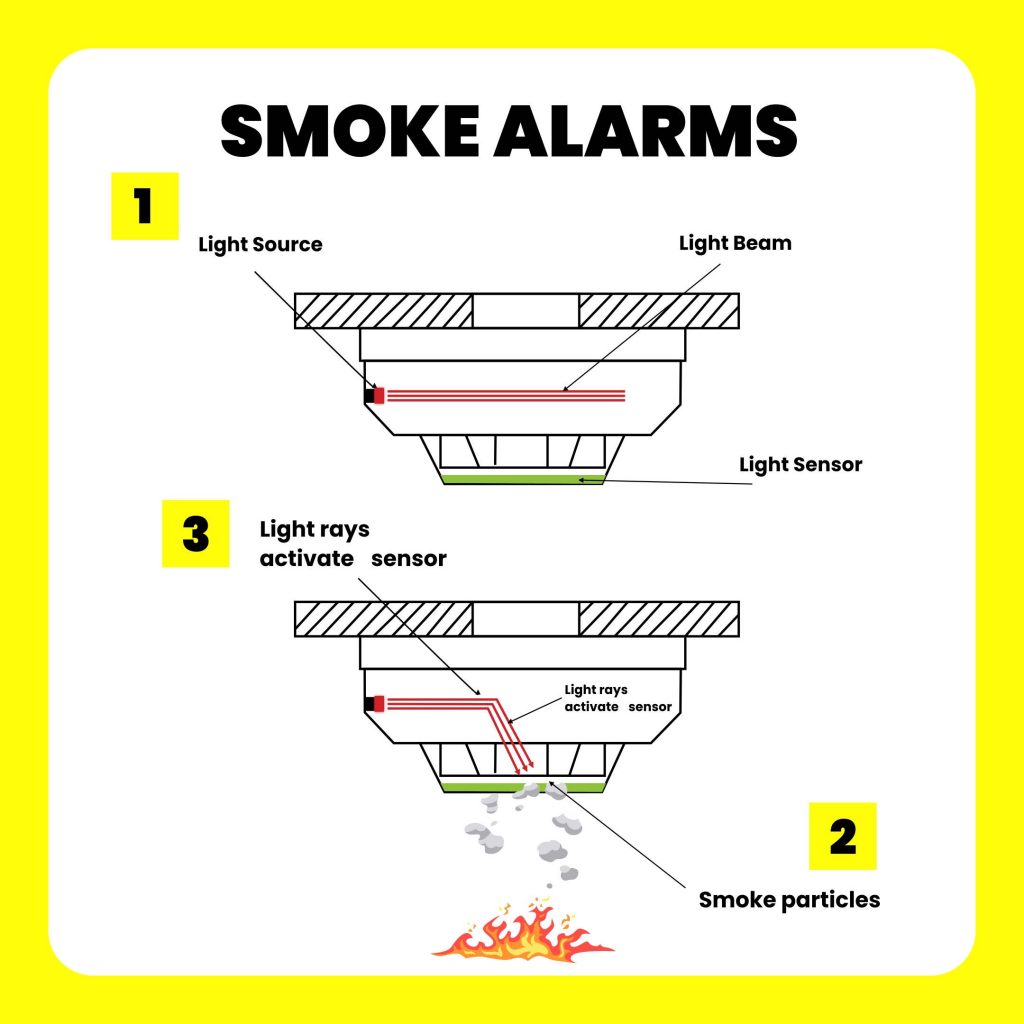
Okay, let’s be honest. We’ve all got that little disc-shaped guardian angel chilling on our ceiling. It’s usually white, sometimes a bit dusty, and it rarely demands attention… until it does. But how do you know if it’s actually going to scream bloody murder when a real fire tries to crash your party? Good question, my friend! It's like having a trusty sidekick, but you never really know if they can actually fight crime until you see them in action. Let's figure out how to give your smoke alarm a little pep talk (and test)!
The Easiest Test: The Button Push!
This is your go-to, super simple, no-fuss method. Every single smoke alarm worth its salt has a little button somewhere on its surface. It might say "Test," "Push," or just be a slight indentation. Think of it as its own personal "check engine" light, but for smoke detection.
What to do:
Must Read
- Reach up (maybe grab a stool if you’re not a basketball player).
- Press and hold that button for a few seconds.
What should happen?
Your alarm should let out a very loud, ear-splitting shriek! Seriously, it’s designed to wake you from a slumber party with a grizzly bear. If it goes off, congratulations! You’ve got a working alarm. High five!
What if it just gives you the silent treatment?
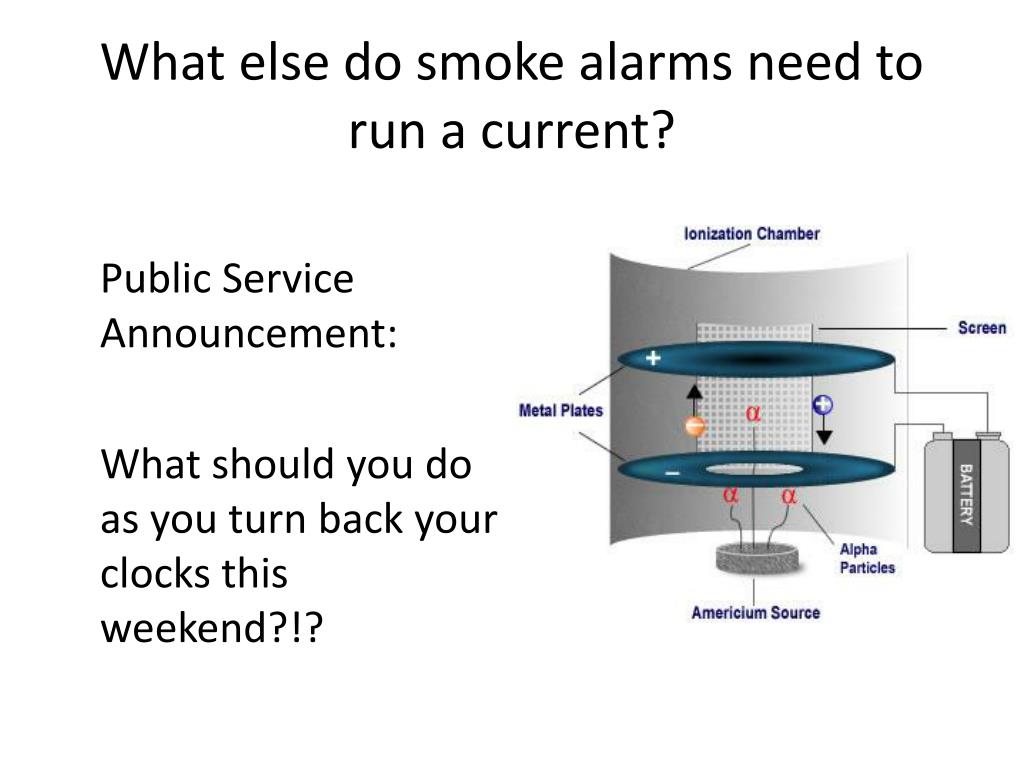
Uh oh. First, don't panic! It probably just needs a fresh set of batteries. Most alarms run on 9-volt batteries, or sometimes AA or AAA. Pop open the cover (usually a twist or a slide) and swap them out. If it’s wired into your home’s electrical system, it still likely has a backup battery, so change that too. Give the test button another push. If it's still silent, or just gives a pathetic little squeak, it might be time for a new unit altogether. More on that later!
The "Realistic" Test: A Whiff of Smoke (Carefully!)
This method is a bit more… theatrical. It's about seeing if your alarm actually smells smoke. Now, please, for the love of all things safe, do not light a bonfire in your living room! We’re going for a gentle wisp.
What you need:

- A blown-out candle that's still smoking a bit.
- Or, even better, an incense stick (those usually produce a nice, steady stream of smoke).
What to do:
- Get your smoky item (incense stick or still-smoking candle) close to the alarm.
- Hold it there for a moment, letting the smoke drift towards the sensor.
What should happen?
If it’s working, you guessed it: WAAAH-WAAAH-WAAAH! The alarm should detect the smoke and go off. Success!
What if it just sits there, judging your incense choice?
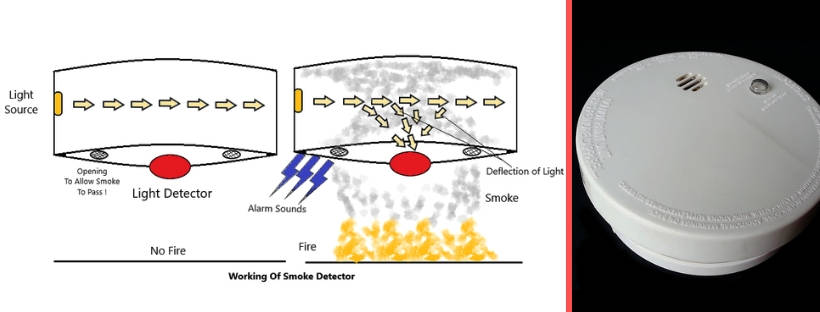
Again, check those batteries! If they’re fresh and it’s still snoozing, it might be time for a replacement. Maybe it’s just not a fan of lavender incense.
The Annoying But Important Chirp: Low Battery Alert!
You know this one. It's the sound of a dying digital bird, usually emitted around 3 AM, when you're deepest in REM sleep. That intermittent "chirp… chirp… chirp" every 30-60 seconds? That's your smoke alarm telling you, very politely (or not-so-politely, depending on the time of day), "Hey! My juice is running low! Change me!"
While annoying, this chirp is a good sign that the alarm itself is still functioning! It's just hungry for new batteries. Consider it a passive-aggressive yet effective reminder from your ceiling friend.

When to Replace the Whole Darn Thing (Yes, They Expire!)
Surprise! Smoke alarms aren't immortal. Just like that yogurt in the back of your fridge (don't worry, we've all been there), they have an expiration date. Most manufacturers recommend replacing smoke alarms every 10 years. Why? Because the sensors can become less sensitive over time, even if the batteries are fresh.
Where to find the date: Look on the back or side of your alarm. There should be a "manufacture date" or "replace by" date printed right there. If yours is older than a decade, it's time for a shiny new one. Consider it a preventative retirement for your loyal ceiling sentinel.
Quick Recap & Your Action Plan!
So, to keep your home safe and sound, here's the CliffsNotes version:
- Test Monthly: Push that test button once a month. It takes literally seconds!
- Change Batteries Annually: A great reminder is to do it when you change your clocks for daylight saving time.
- Replace Unit Every 10 Years: Check the date on the back!
Keeping your smoke alarms in tip-top shape is one of the easiest and most important things you can do for your home and everyone in it. It’s like being a superhero, but instead of capes, you’re armed with a 9-volt battery and a can-do attitude. Knowing your smoke alarm is ready to spring into action brings a huge sense of peace. So go on, give those alarms a quick check. You’ll sleep better tonight, knowing your little ceiling guardian is wide awake and ready to protect you. And that, my friend, is something to smile about!