
How To Know If My Account Is Checking Or Savings
Hey there, money maestro! Ever feel like you're staring into the abyss of your bank accounts, unsure which is which? Don't sweat it! We've all been there. Is it checking or savings? Let's crack this code together!
The Great Account Identity Crisis!
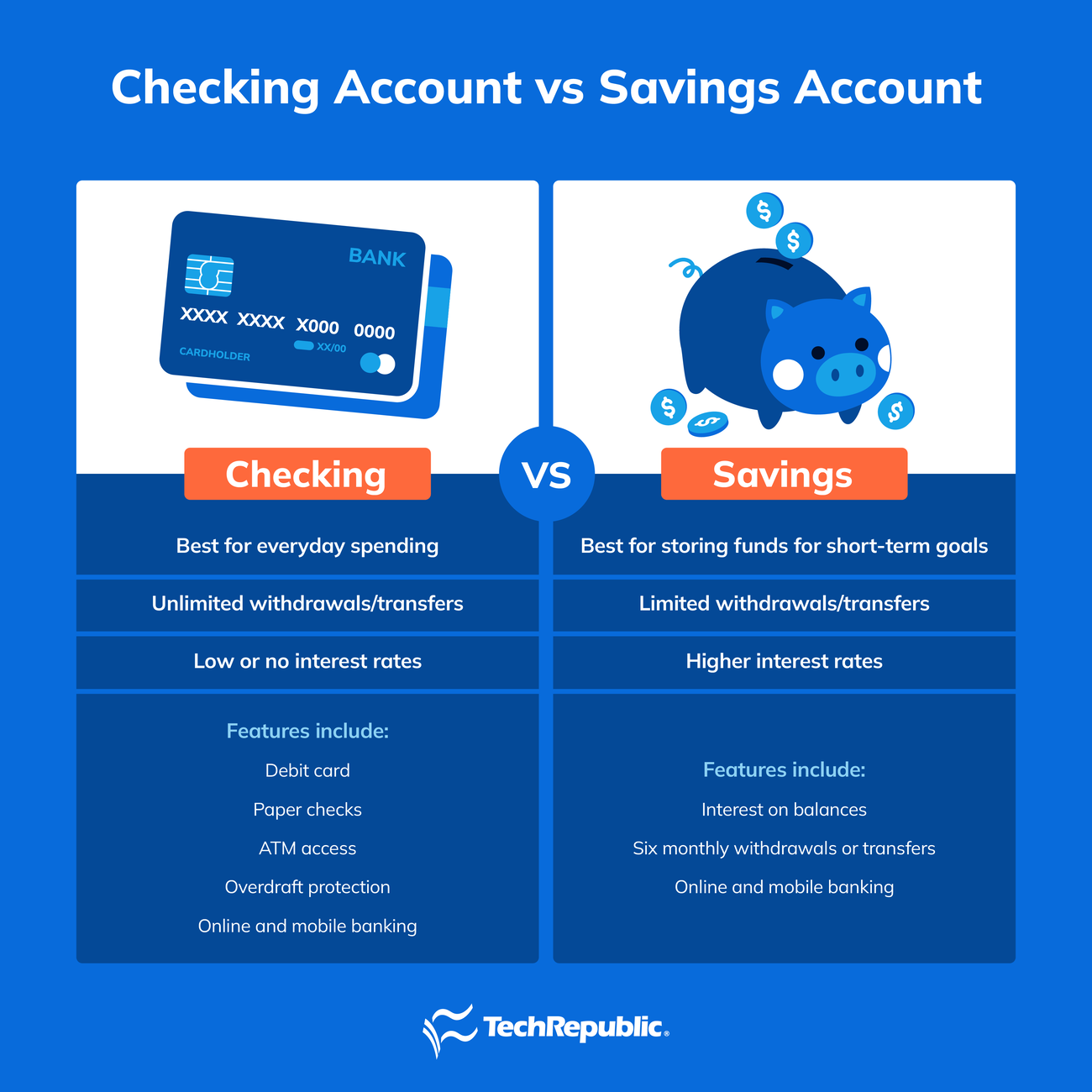
Seriously, who hasn't confused these two? It's like trying to tell apart fraternal twins. They look similar, but their personalities? Totally different! One’s a spender, the other’s a saver. Intriguing, right?
Imagine your bank account is a pet. Your checking account? It’s that energetic puppy, always ready to play (and spend!). Your savings account? It's the wise old owl, quietly accumulating wisdom (and interest!). Makes sense, doesn't it?
Must Read
Detective Time: Clues in Plain Sight!
Alright, let's put on our detective hats. We're searching for clues. Where do we start?
The Obvious Suspect: Your Bank Statement
This is the holy grail! Grab your statement. Look for the account title. Does it say "Checking," "Share Draft," or something similar? Bingo! That’s your puppy.
See "Savings," "Money Market," or "High Yield"? You've found your owl! Elementary, my dear Watson!
The Card Conundrum
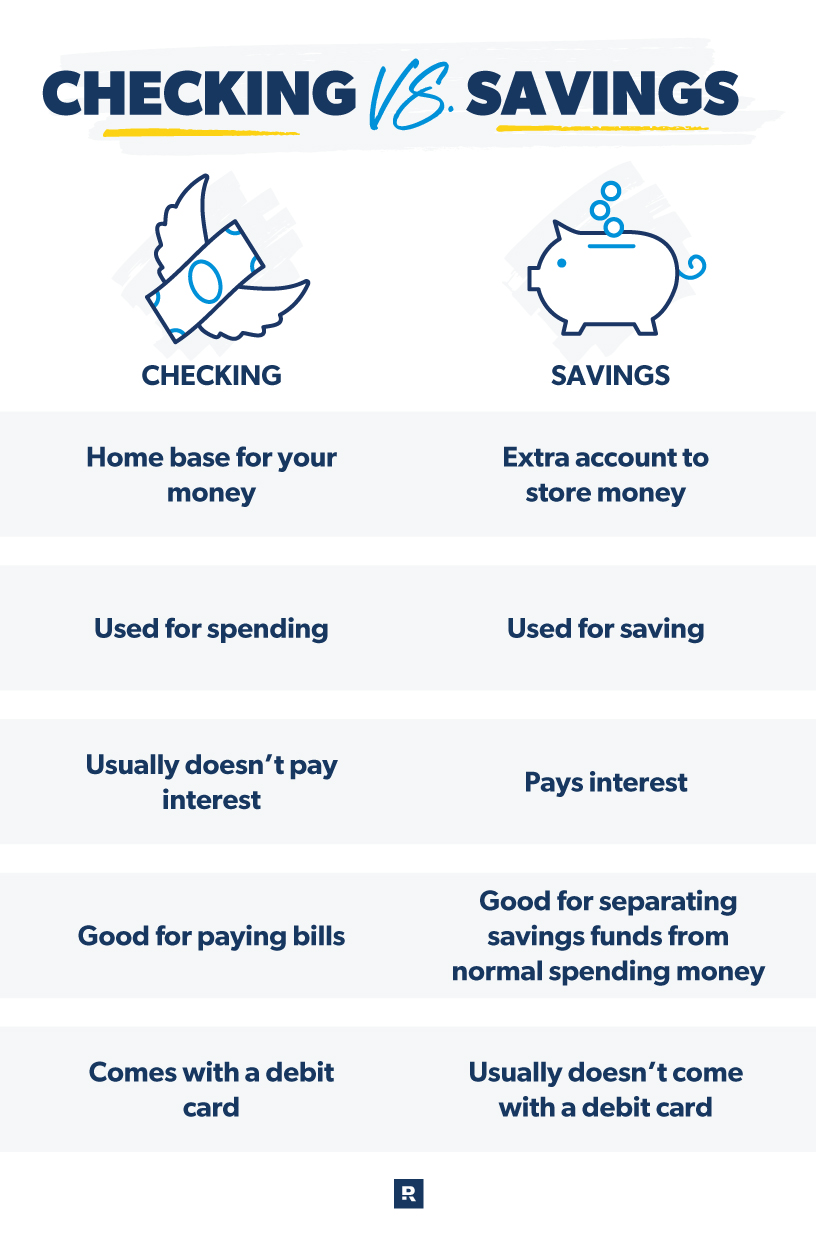
Think about your debit card. Which account is it linked to? Usually, it’s your checking account. You know, the one you use to buy that essential avocado toast.
Savings accounts rarely have debit cards. They're more about long-term commitment. Like a marriage, but with money. A money marriage!
Online Banking: Your Digital Detective
Log into your bank's website or app. This is where the magic happens! Accounts are usually clearly labeled. (Unless your bank has a wicked sense of humor.)
Poke around. Look for account details. Banks often show account numbers, types, and current balances all in one place. Easy peasy!

Transaction Limits: The Savings Account's Secret Weapon
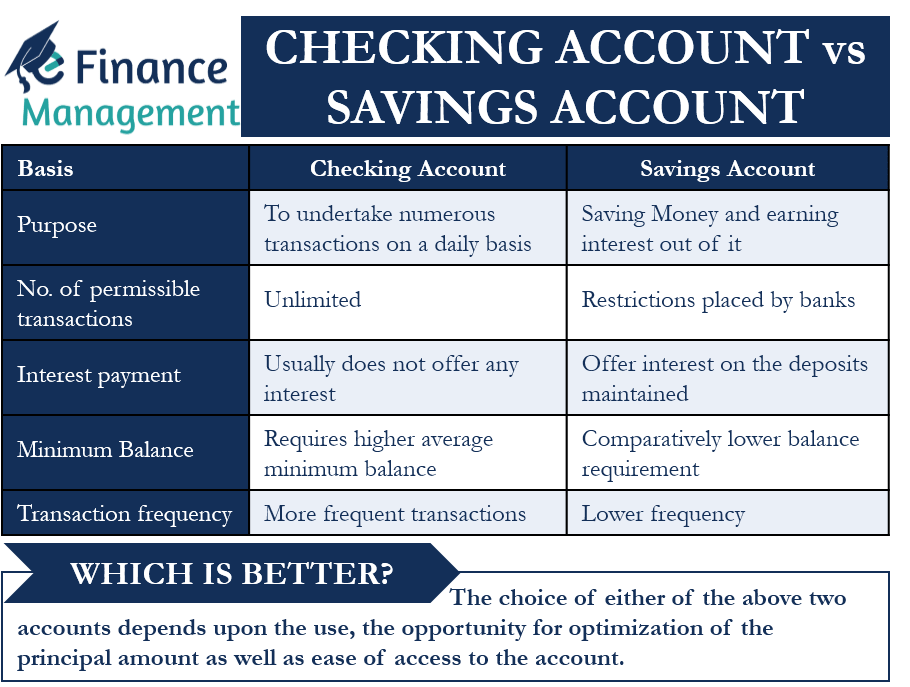
Here's a quirky fact: Savings accounts often have limits on how many withdrawals you can make per month. Why? Because they want you to save, silly! Think of it as tough love from your bank.
Checking accounts, on the other hand, are usually withdrawal-limit-free. Spend, spend, spend! (Okay, maybe don't actually spend, spend, spend. Budgeting is still important.)
Interest Rates: The Savings Account's Sweet Reward
Savings accounts generally earn interest. It's like getting paid to save! Cha-ching! The interest rate might be small (like, really small), but it’s still something.
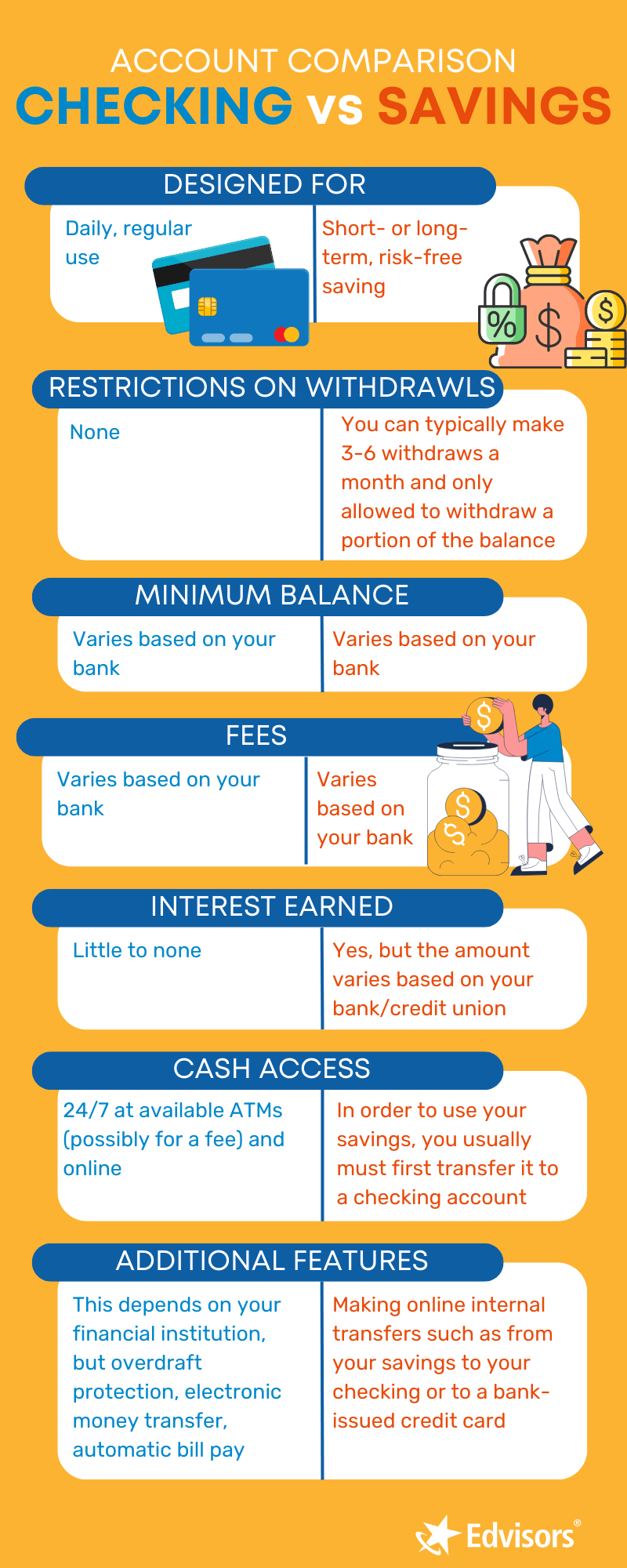
Checking accounts? They rarely offer interest. They're more about convenience than growing your fortune. Unless you have a super fancy checking account with perks. But that’s a story for another day.
Account Number Shenanigans!
Here's a fun detail: Account numbers can sometimes give you a hint. Banks often use different numbering systems for checking and savings. But this isn't a foolproof method. It’s more like a fun bonus clue.
Don't rely solely on the account number. It's like judging a book by its cover. Could be fascinating, could be a snoozefest. Proceed with caution!
When in Doubt, Ask!
Still stumped? Don't be shy! Call your bank or visit a branch. That's what they're there for. Asking questions is a sign of financial maturity. Like wearing sensible shoes while managing your money.
Plus, it's always fun to chat with a banker. They have all sorts of interesting stories (mostly about fraud, but hey, knowledge is power!).
The Takeaway: Know Your Money!
Knowing the difference between your checking and savings accounts is crucial for financial health. It's like knowing the difference between broccoli and chocolate cake. (One’s healthy, one’s…well, you know.)
So, go forth and conquer your bank accounts! Be a financial ninja! You got this!
Now, go treat yourself to something nice. (But maybe from your checking account. Let's keep that savings account happy! 😉)