
How To Install Electric Tankless Water Heater
So, You Want a Tankless Water Heater, Huh?
Alright, alright, I get it. You're tired of that dinosaur in your basement. The one that constantly guzzles energy. And sometimes runs out of hot water right when you're shampooing. We've all been there.
You've decided to go tankless. Good for you! You’re thinking endless hot showers and lower energy bills. Sounds like a dream, right?
First Things First: Are You Sure?
Let's get real. Tankless water heaters, especially the electric ones, can be a bit...demanding. I have an unpopular opinion: Installing one isn’t always a walk in the park.
Must Read
Think of it like adopting a really cute, but incredibly needy, puppy. Adorable, but requires a lot more attention than you initially thought.
Seriously, consider this: are you ready to handle a potential electrical upgrade? Because, spoiler alert, most of us aren't wired for this level of power. It's like trying to power a spaceship with a AA battery.
Okay, You're STILL Determined? Fine. Let's Do This.
I admire your stubbornness. Let’s dive into this electric tankless water heater installation adventure. I can't promise it will be fun, but I can promise I'll try to make it less painful.
Step 1: Turn Off the Power (Duh!)
This seems obvious, right? But you wouldn't believe the number of people who skip this crucial step. Let's avoid any shocking revelations, shall we?
Find your electrical panel. Flip the breaker that controls your water heater. Double-check it’s off with a non-contact voltage tester. Consider this your pre-flight safety check.
Seriously, don't be a hero. Electricity is not your friend today.
Step 2: Drain the Old Tank (If Applicable)
If you're replacing an existing tank water heater, time to drain that beast. Connect a hose to the drain valve. Run it to a safe location, like a floor drain or outside.

Open the valve and let gravity do its thing. It will be noisy. And probably a bit rusty. This is perfectly normal.
Pro-tip: Don't wear your favorite shoes for this part. Trust me.
Step 3: Disconnect the Old Wiring and Plumbing
Now we get to the fun part (kidding!). Disconnect the electrical wiring from your old water heater. Carefully label each wire. Use masking tape and a marker. This will save you a headache later.
Next, disconnect the water pipes. You might need a pipe wrench and some elbow grease. Be prepared for a little bit of water to spill. Have a bucket and some towels handy.
Remember those labels you made? They're about to become your best friends. Don’t even THINK about skipping that step!
Step 4: Mount the New Tankless Unit
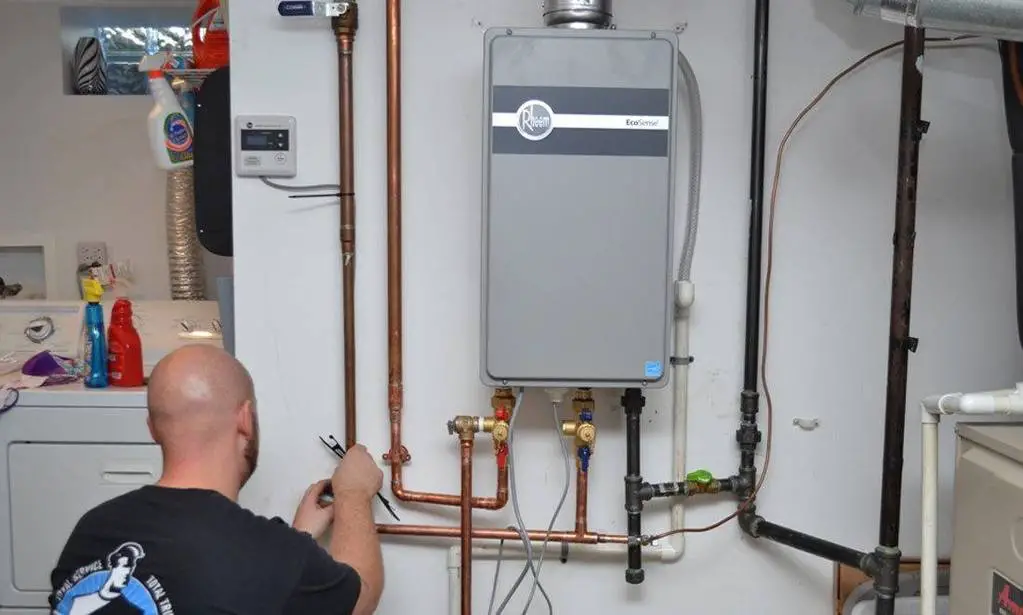
Find a suitable location for your new tankless water heater. Ideally, it should be close to the main water line and have easy access to electrical wiring.
Mount the unit according to the manufacturer's instructions. Use a level to ensure it's straight. No one wants a crooked water heater, do they?
Measure twice, drill once. Or, in my case, measure five times and still end up slightly off. But that's our little secret.
Step 5: Plumbing Connections
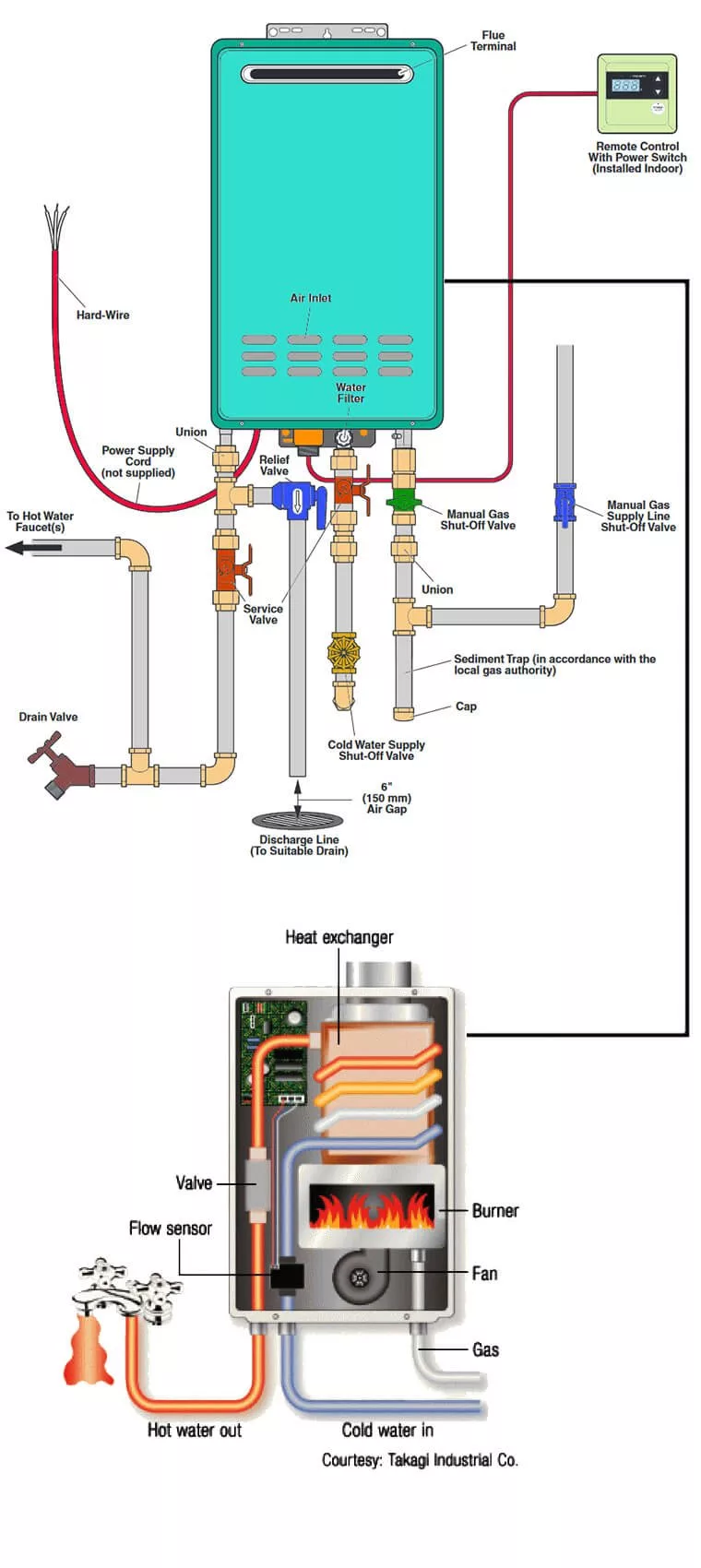
Connect the cold water inlet and hot water outlet to your plumbing system. Use Teflon tape on the threads to prevent leaks. Tighten the connections with a wrench.
Double-check all the connections for leaks. Turn on the water supply slowly. Keep an eye out for drips and puddles.
If you see any leaks, tighten the connections further. Or, if you’re like me, call a plumber. No shame in admitting defeat.
Step 6: Electrical Wiring (The Scary Part)
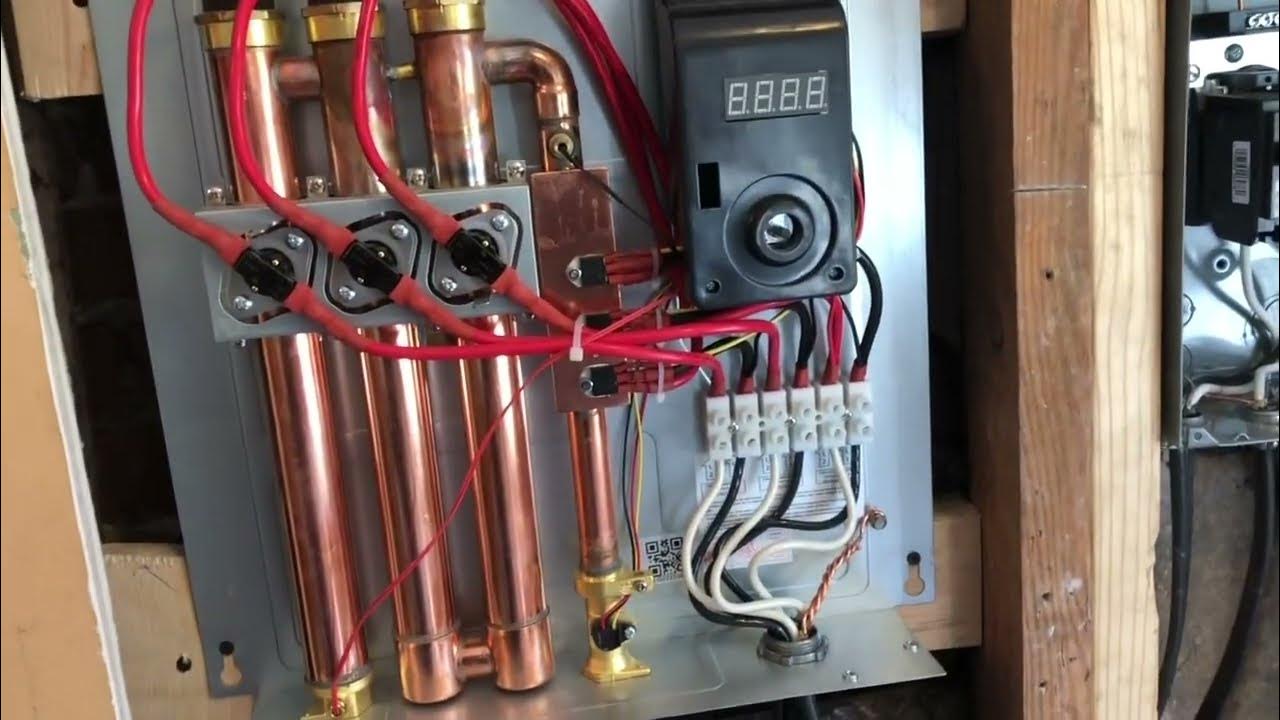
This is where things get serious. Connect the electrical wiring to your new tankless water heater. Follow the wiring diagram provided by the manufacturer.
Make sure the wires are properly secured. Use wire connectors to ensure a solid connection. Remember those labels you made earlier? Now is their time to shine!
If you're not comfortable working with electricity, please, please, PLEASE hire a qualified electrician. Your life (and your house) is worth more than saving a few bucks. Seriously.
Step 7: Turn on the Power and Test
Once you've connected all the wiring, it's time to turn on the power. Flip the breaker you turned off earlier.
Turn on a hot water faucet and wait for the water to heat up. It may take a few seconds or minutes for the hot water to arrive. Be patient. You're almost there.
Check the water temperature. Adjust the settings on the tankless water heater to your desired temperature. Congratulations! You (hopefully) have hot water.
Step 8: The Fine Print (And My Unsolicited Advice)
Read the manufacturer's manual. I know, it's boring. But it contains important information about your new tankless water heater.
Register your product with the manufacturer. This will ensure you're covered by the warranty. Nobody wants to deal with warranty issues without being registered.
And here's my unpopular opinion number two: Regular maintenance is key. Flush your tankless water heater annually to remove sediment and mineral buildup. This will extend its lifespan and keep it running efficiently.
Troubleshooting (Because Something Always Goes Wrong)
No hot water? Check the breaker. Check the wiring connections. Check the water supply.

Water is too hot or too cold? Adjust the temperature settings on the unit. Refer to the manufacturer's manual for instructions.
Still having problems? Call a qualified technician. Sometimes, it's just not worth the frustration.
You Did It! (Maybe)
You've successfully installed your electric tankless water heater. Pat yourself on the back. You deserve it.
Now, go take a long, hot shower. And enjoy the endless hot water you've been dreaming of. Just don't use it all at once!
Remember, this is a simplified guide. Every installation is unique. If you're unsure about anything, seek professional help. It's always better to be safe than sorry.
Final Thoughts (And a Final Unpopular Opinion)
Electric tankless water heaters are great. But they're not for everyone. If you have a small household and don't use a lot of hot water, they can be a good option. But if you have a large family or live in a cold climate, a traditional tank water heater might be a better choice.
And here's my final, and perhaps most controversial, unpopular opinion: Don't believe everything you read on the internet (including this article!). Do your own research and make an informed decision based on your specific needs and circumstances.
Good luck, and happy showering! Just please be careful out there.