How To Install An Outdoor Tv Antenna

Ever feel like you're paying too much for cable or streaming services? Or maybe you're tired of buffering and unreliable internet connections when all you want to do is catch the big game? There's a surprisingly simple and often overlooked solution: installing an outdoor TV antenna. It's not just a relic of the past; it's a powerful way to access free, over-the-air (OTA) broadcast channels in crystal-clear HD quality.
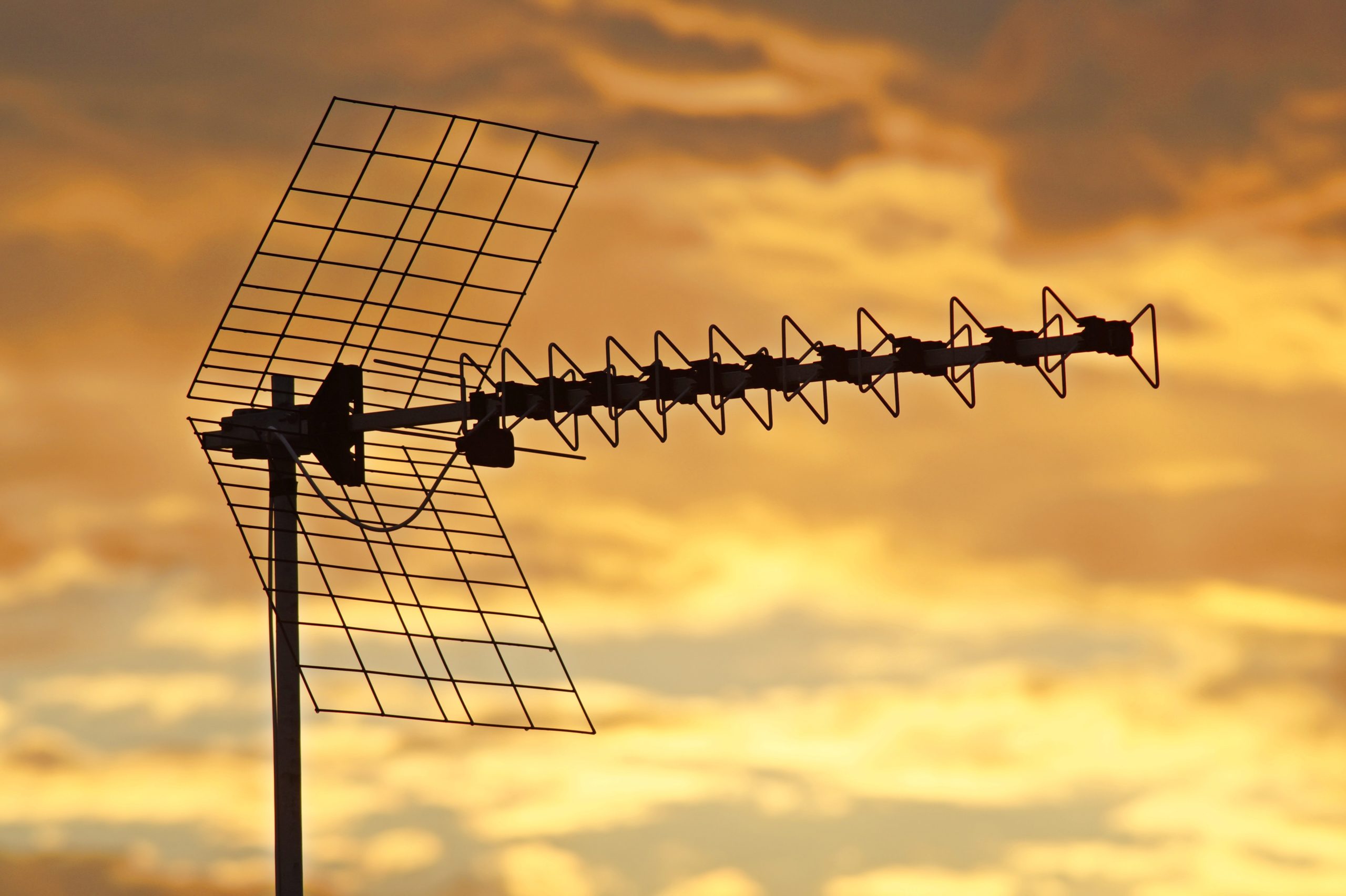
Think of an outdoor TV antenna as your personal receiver, grabbing signals directly from broadcasting towers. Its purpose is simple: to pull in those free channels and deliver them straight to your TV. The benefits are numerous. First and foremost, it's a huge cost saver. Once you've installed the antenna, there are no monthly fees! You're done paying for basic television. Second, you get access to local news, weather, and programming that you might otherwise miss. And third, the picture quality is often superior to what you get with cable or streaming, especially during peak internet usage times.
But where does an outdoor antenna fit into the modern world? Well, consider these examples. In education, schools can use OTA broadcasts for emergency alerts and educational programming, ensuring students have access to information even during internet outages. In daily life, imagine tailgating at a football game. With a portable TV and a small, amplified antenna, you can catch all the pre-game analysis and the game itself without relying on mobile data. Or picture yourself at your cabin in the woods, far from reliable internet. An antenna allows you to stay connected to the world and enjoy some entertainment without breaking the bank.
Must Read
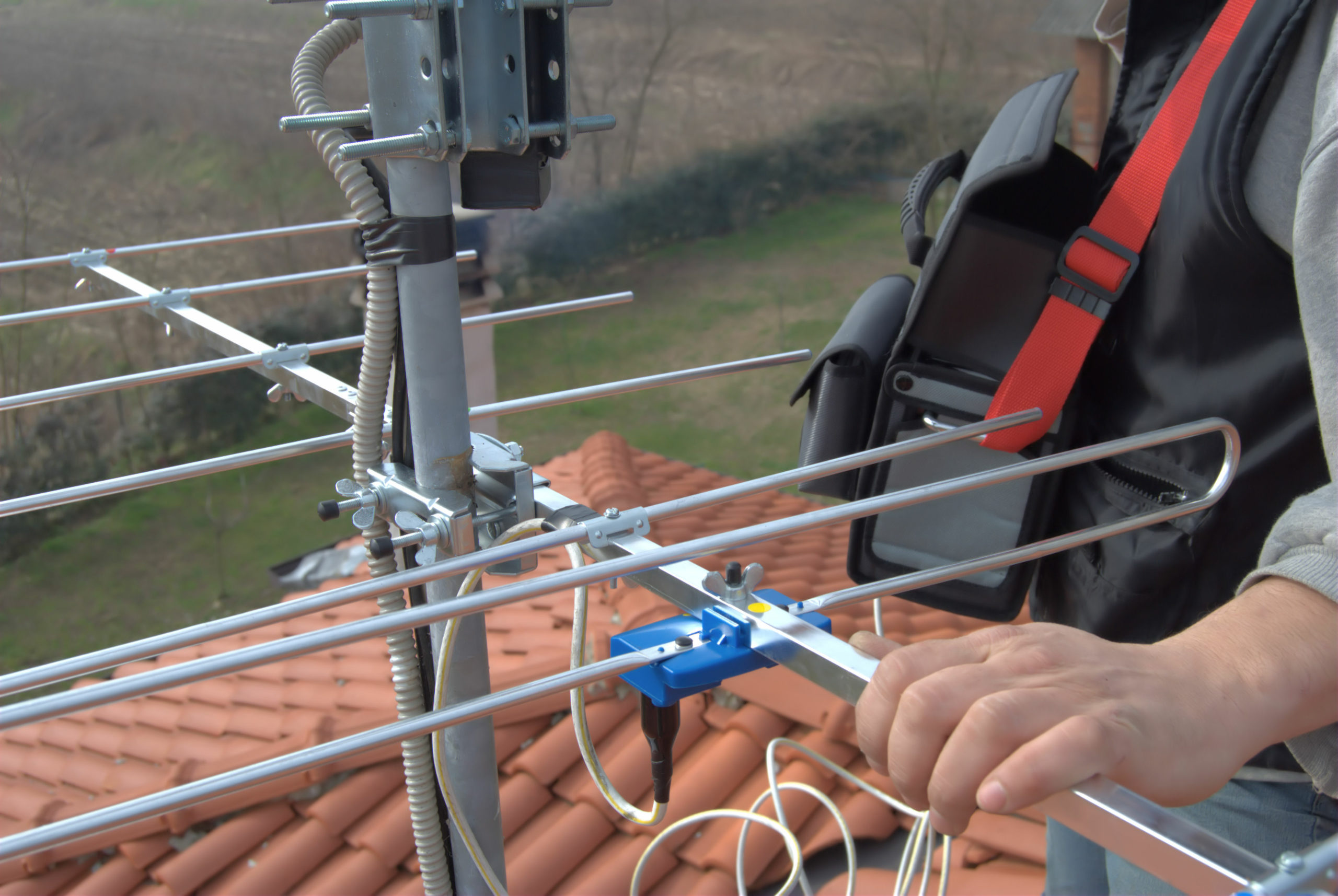
So, how do you get started? Here are a few practical tips. First, do some research. Use online tools like AntennaWeb.org or TV Fool to determine the location of your local broadcast towers and the types of antennas recommended for your area. This will help you choose the right antenna and mounting location. Next, consider the height. Generally, the higher the antenna, the better the reception. Mount it on your roof, in your attic, or even on a tall pole in your yard, ensuring it's properly grounded for safety. Connect the antenna to your TV using coaxial cable, and then scan for channels in your TV's settings menu. It's usually labeled something like "Auto Program" or "Channel Scan."
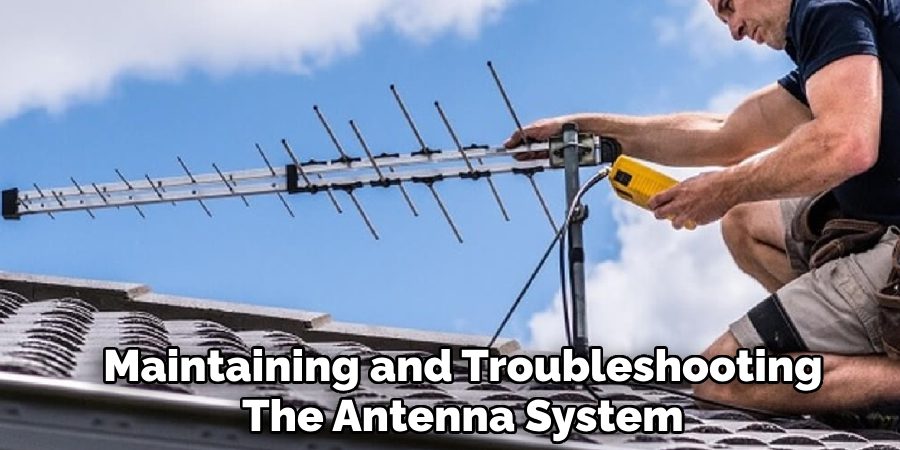
Don't be afraid to experiment! You might need to adjust the antenna's direction to optimize signal strength. Some antennas come with rotators that allow you to control the direction remotely. Start simple with a smaller, less expensive antenna. If you're not comfortable working on your roof, consider hiring a professional installer. The small investment upfront can save you headaches (and potential injuries) down the road.
Finally, a simple way to explore this technology is to buy a cheap indoor antenna and hook it up to your TV. Even a small indoor antenna can often pick up several channels, giving you a taste of what's possible. It's a low-risk way to see if OTA broadcasting is a viable option for you. Who knows, you might be surprised at how much free content is out there, just waiting to be discovered!