How To Identify Protein Protein Interactions
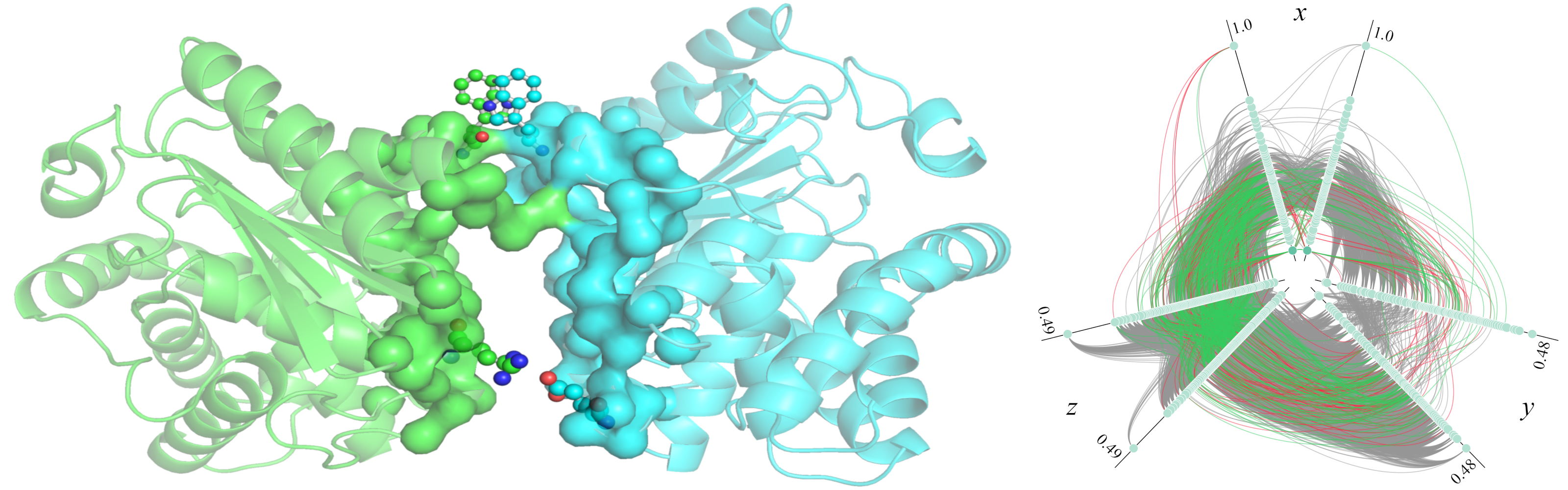
Hey! So, you wanna know how to spot when proteins are gettin' cozy with each other? Like, finding out who's gossiping with who at the cellular water cooler? Awesome! It's a seriously cool area of research. Let's dive in (without getting too technical, promise!).
First things first: Why even care?
Good question! Protein-protein interactions (PPIs, for short, because scientists love acronyms) are basically the foundation of everything that happens inside our cells. Seriously. They control everything. Think of them as tiny, molecular handshakes that trigger cascades of events. Understanding these interactions? That's like unlocking the secrets of life itself (okay, maybe a slight exaggeration, but you get the idea!). Figuring out these interactions can help understand diseases, develop new drugs, and generally make us feel super smart. Who wouldn't want that?
Okay, so how DO we find these sneaky interactions?
Alright, buckle up! There are a bunch of methods, and some are more straightforward than others. Don't worry, we'll keep it breezy.
Must Read
1. Yeast Two-Hybrid (Y2H): Imagine setting up a dating profile for proteins in yeast. Seriously! You basically trick yeast cells into telling you which proteins interact. If two proteins "like" each other (i.e., interact), the yeast grows. If they don't, nada. It's like a tiny, single-celled dating app. Cute, right?
The pros? It's pretty sensitive and can find novel interactions. The cons? Sometimes you get false positives (like, they're only friends because they're in the same yeast cell...). And yeast isn't exactly a human cell, is it?
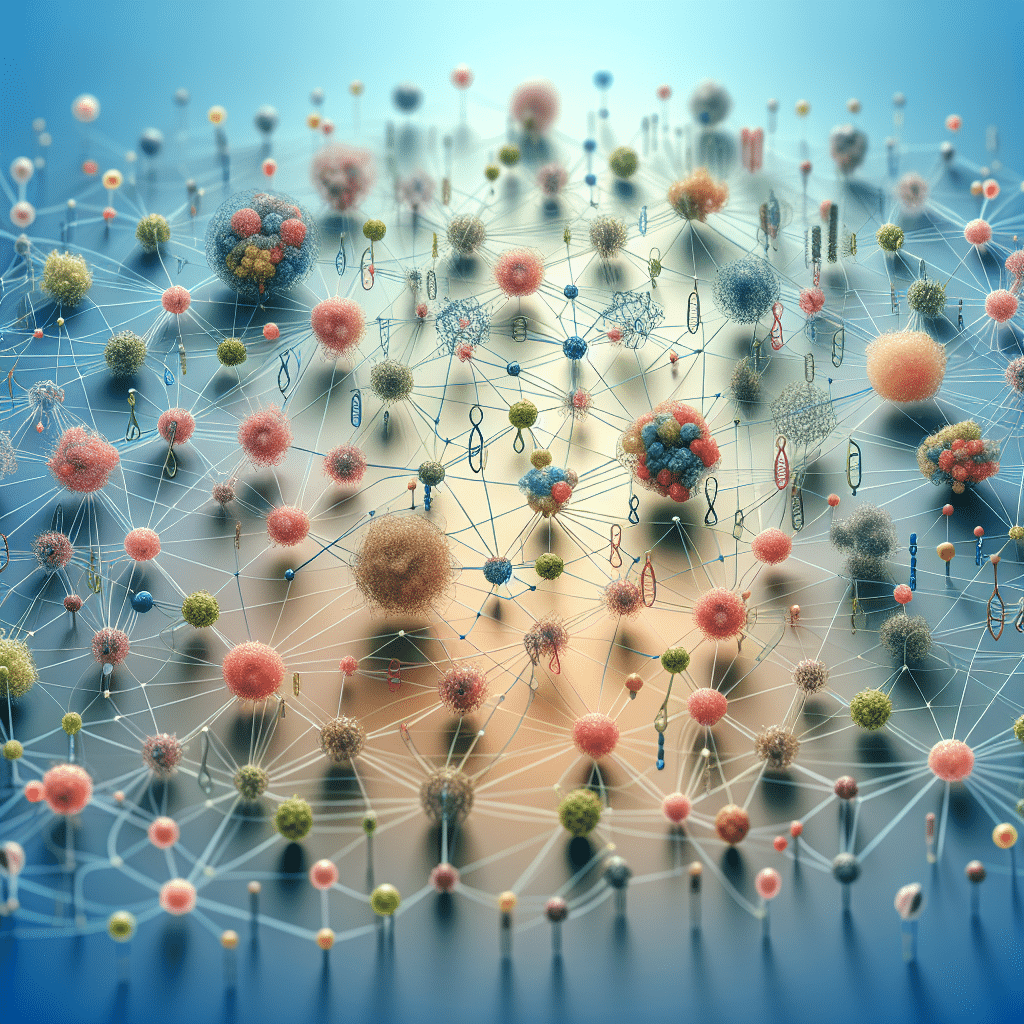
2. Co-Immunoprecipitation (Co-IP): Think of this as a protein "arrest." You grab one protein with an antibody (which is like a tiny, super-specific handcuff). Then, you see if any other proteins are clinging to it. "Aha! You were hanging out with the suspect!" This is a pretty common and reliable method.
3. Affinity Purification-Mass Spectrometry (AP-MS): This is like Co-IP but on steroids (the good kind, for science!). You grab your protein of interest (again, with an antibody or some other "affinity" tag). Then, you use a mass spectrometer (sounds intimidating, but it's just a fancy scale for molecules) to identify all the other proteins that came along for the ride. Talk about comprehensive! It's like catching all the attendees at a protein party.

4. Surface Plasmon Resonance (SPR): Fancy name, right? Basically, you immobilize one protein on a surface and then flow other proteins over it. If they interact, the surface properties change, and you can measure that change. Think of it like a protein handshake that makes the surface "buzz."
5. Cross-linking followed by Mass Spectrometry (XL-MS): This is like taking a snapshot of proteins that are close together. You use a "cross-linker" – a chemical that glues together proteins that are physically touching. Then, you break them apart and use mass spectrometry to figure out which proteins were linked. It's like catching proteins in a molecular group hug.
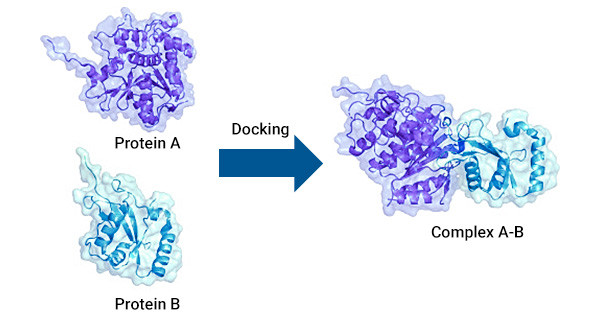
6. Computational Prediction: Let's be honest, lab work can be a pain. So, why not let computers do some of the work? There are tons of algorithms that can predict PPIs based on things like protein sequence, structure, and known interactions. It's like having a protein matchmaker AI. But remember, these are just predictions. Always good to confirm with experiments!
Which method is the BEST?
Trick question! There's no single "best" method. Each has its strengths and weaknesses. Usually, you'll want to use a combination of methods to get a more complete and reliable picture. Think of it like solving a mystery – you need multiple clues to crack the case!
The Takeaway?
Finding protein-protein interactions is a crucial part of understanding how cells work. There are lots of cool tools to use, and the field is constantly evolving. So, go forth, and may your PPI hunts be fruitful (and maybe even a little fun)! And remember, if you ever feel overwhelmed, just grab a coffee and think about those tiny molecular handshakes. It's all pretty amazing when you think about it.