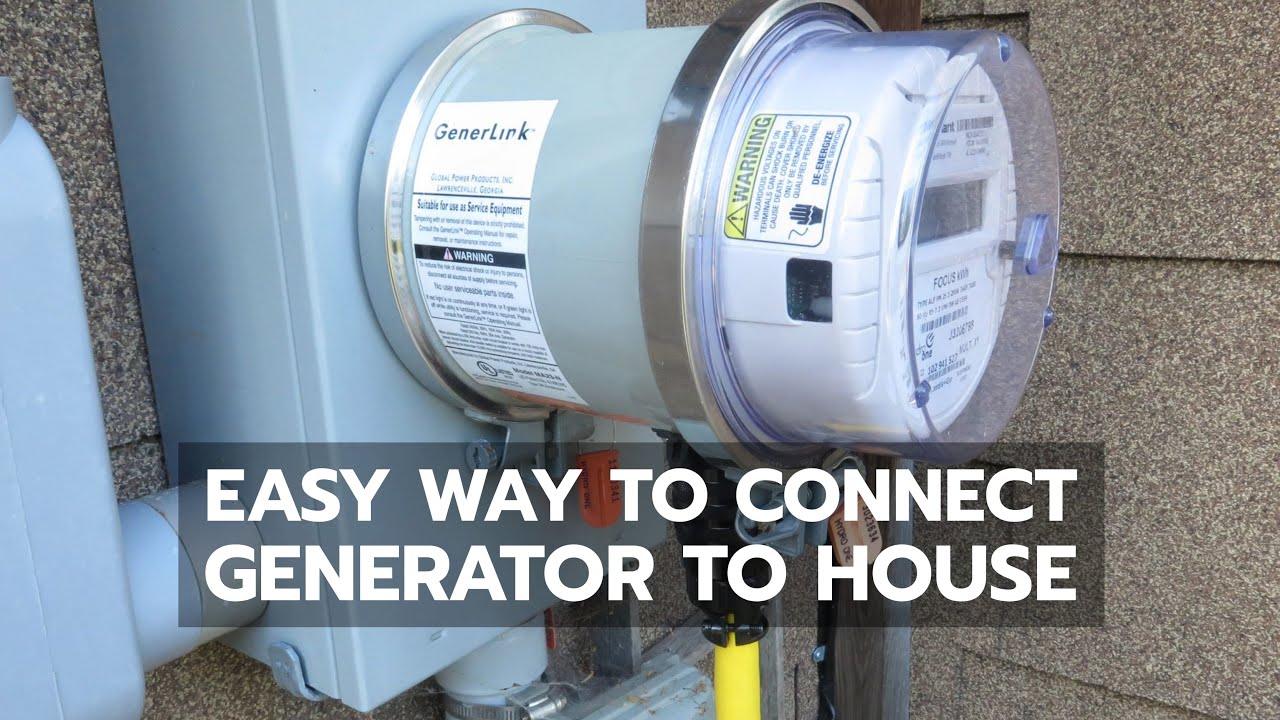
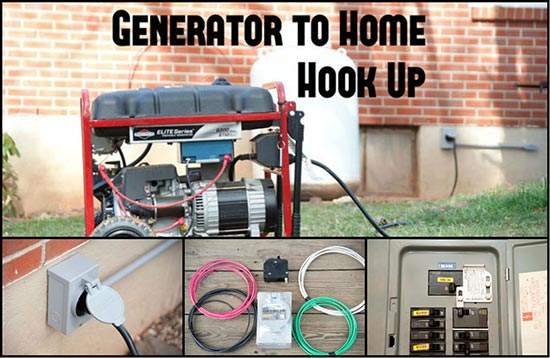
How To Hook Up A Power Generator To Your House
Okay, so picture this: last winter, we had a blizzard. The kind where you can't see past your front porch, and the power lines are doing that scary, sparky dance they do right before everything goes dark. Naturally, my internet went out first (priorities, people!). Then, the fridge started making ominous gurgling noises. I was huddled under a mountain of blankets, contemplating the imminent doom of my frozen pizza stash, when I heard the glorious roar of my neighbor’s generator kicking in. His lights were on! He was watching TV! He even offered me a hot cup of coffee. That's when I vowed: never again would I be at the mercy of the grid. That's when my journey to understand how to hook up a power generator to my house began.
And trust me, it’s not as terrifying as it sounds. It does require some careful planning and a bit of know-how. But with the right steps, you can be the neighborhood hero (or at least, you know, keep your frozen pizza frozen).
The Basics: What You'll Need
First things first: you'll need a generator, obviously. Portable generators are the most common for home backup. Consider the wattage you need. Think about what you absolutely need to power during an outage. Refrigerator? Lights? Wi-Fi (essential, right)? Calculate the starting and running wattage of each appliance. (Tip: starting wattage is usually higher than running wattage. Don't forget this!).
Must Read
You'll also need a transfer switch. This is absolutely crucial. More on that later. Don't even think about skipping this step. Also, extension cords (heavy-duty ones!), fuel for your generator (check your generator's manual for the correct type), and safety gear like gloves and eye protection.
Why a Transfer Switch? (And Why You Really, Really Need One)
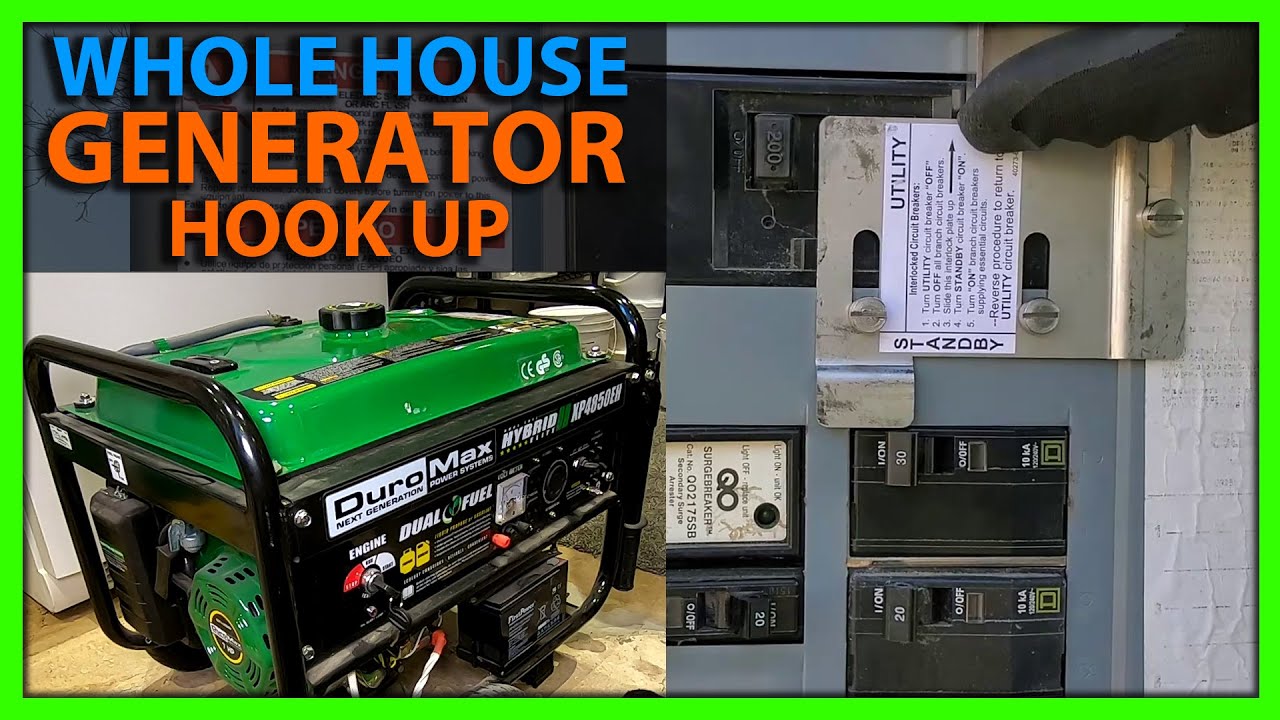
Alright, let's talk about the transfer switch. This isn't just some optional accessory; it's a lifesaver and a house-saver. It does two incredibly important things:
- It prevents backfeeding: Backfeeding is when the electricity from your generator flows back into the power grid. This is incredibly dangerous for utility workers who might be trying to restore power. It can also fry your generator and damage appliances. (Seriously, don't be that person who electrocutes the power company.)
- It allows you to safely connect your generator to specific circuits in your house: You can choose which appliances you want to power, rather than overloading your generator and tripping breakers.
There are two main types of transfer switches: manual and automatic. A manual transfer switch requires you to flip switches to transfer power from the grid to the generator. An automatic transfer switch detects a power outage and automatically switches to generator power. Automatic transfer switches are more expensive but offer greater convenience (especially in the middle of the night!).

The Step-by-Step Guide (With a Generous Dose of Caution)
Okay, deep breath. Here’s the process (Remember: When in doubt, consult a qualified electrician! This is not a DIY project for the faint of heart!):
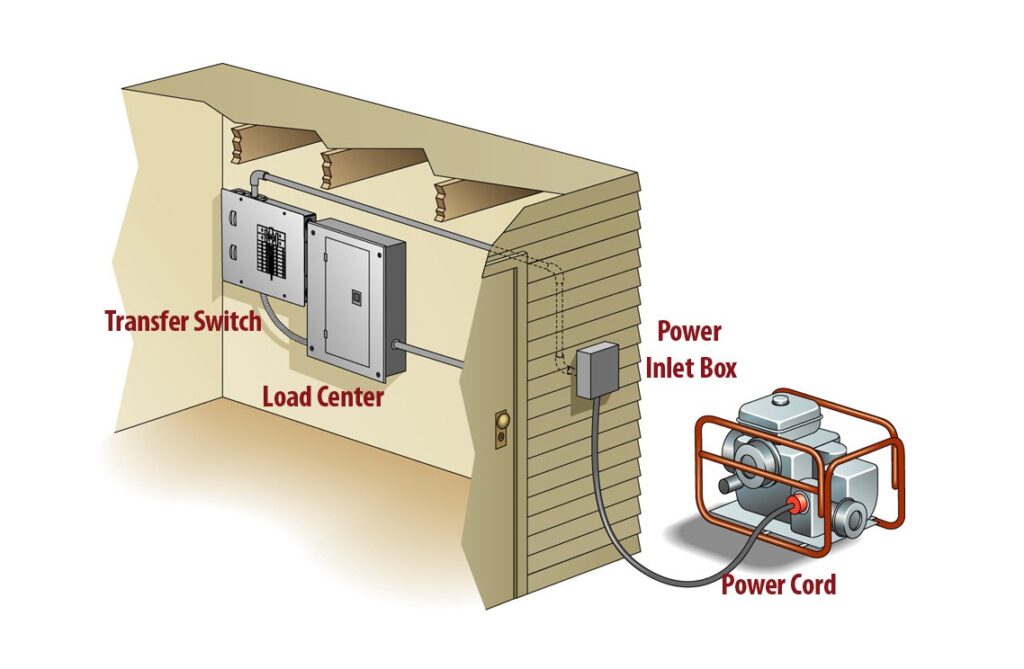
- Install the Transfer Switch: This is usually best left to a professional electrician. They'll connect the transfer switch to your main electrical panel and wire it to the circuits you want to power.
- Position Your Generator: Place the generator outdoors in a well-ventilated area. Never run a generator indoors, in a garage, or near windows or doors. Carbon monoxide is a silent killer. (Seriously, people, this is not a joke!)
- Connect the Generator to the Transfer Switch: Use a heavy-duty extension cord to connect the generator to the transfer switch's inlet box (which should be installed outside your house near the transfer switch).
- Start the Generator: Follow the manufacturer's instructions for starting your generator.
- Switch to Generator Power: If you have a manual transfer switch, flip the switches to transfer power from the grid to the generator. If you have an automatic transfer switch, it will do this automatically.
Important Safety Tips (Because Safety First!)
- Read the Manuals: Both the generator and transfer switch manuals are your best friends. Read them carefully before you do anything.
- Test Your System: Before a power outage, test your generator and transfer switch to make sure everything is working properly.
- Never Overload the Generator: Don't try to power more appliances than your generator can handle. Overloading can damage the generator and your appliances.
- Maintain Your Generator: Regular maintenance, such as changing the oil and cleaning the air filter, will keep your generator running smoothly.
- Carbon Monoxide Detectors: Ensure you have working carbon monoxide detectors in your home.
Hooking up a generator to your house can seem daunting, but it's a worthwhile investment in peace of mind (and frozen pizza!). Just remember to prioritize safety, follow the instructions carefully, and when in doubt, call a professional. Now go forth and conquer those power outages! (And maybe offer your neighbors a cup of coffee, too.)