
How To Hook Up A Gas Generator To Your House
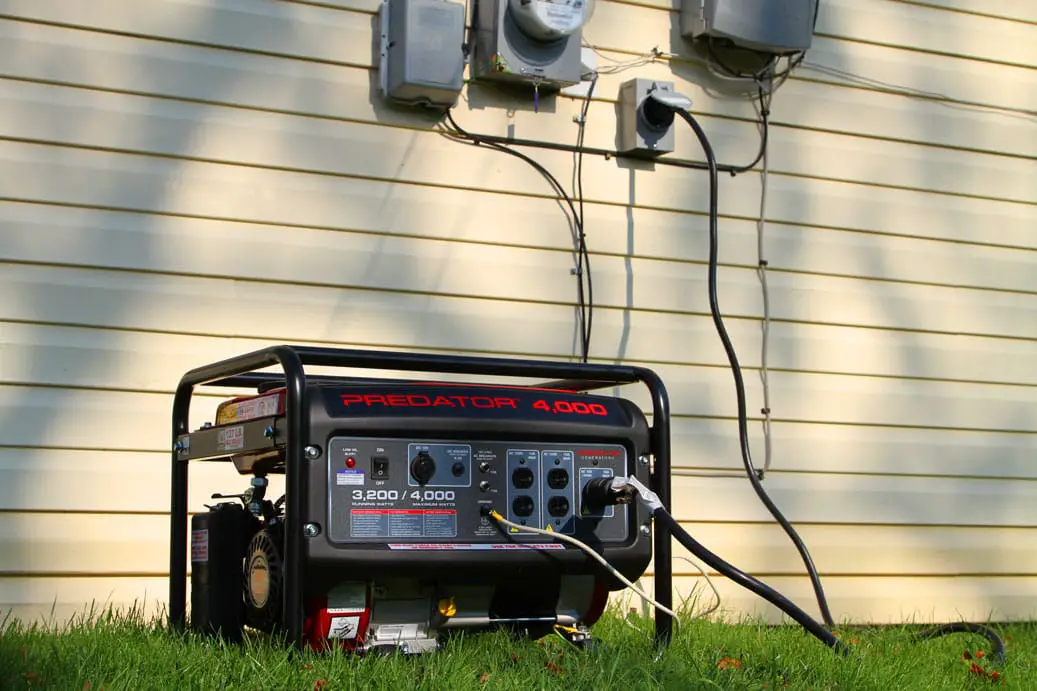
Alright, gather 'round, folks! Let's talk about wrestling electricity into submission with a gas generator. Now, I know what you're thinking: "Sounds like a job for a superhero!" And you're not entirely wrong. But instead of a cape and tights, you’ll need some common sense, a healthy dose of caution, and maybe a beer (for after, of course! Safety first!).
Seriously though, connecting a generator to your house is no joke. Messing it up could lead to fried electronics, house fires, or even… well, let's just say it could be a shocking experience, literally. So, pay attention!
Step 1: The "Why Am I Doing This?" Sanity Check
Before we even think about wires and outlets, ask yourself: Do I really NEED to do this? Is the power outage going to last longer than a particularly bad episode of reality TV? Because if it's just a blip, maybe a few candles and a board game will suffice. Think of the quality family time! Unless, of course, you really need to watch cat videos. In that case, proceed.
Must Read
Step 2: Gear Up, Buttercup!
Now, for the fun part: shopping! You'll need a few key items to become the master of your own electrical destiny:
- A Gas Generator: Duh! Make sure it's appropriately sized for your needs. Running your refrigerator and a few lights is different than powering a disco ball and a fog machine. (Although, if you are powering a disco ball and a fog machine during a blackout, please invite me.)
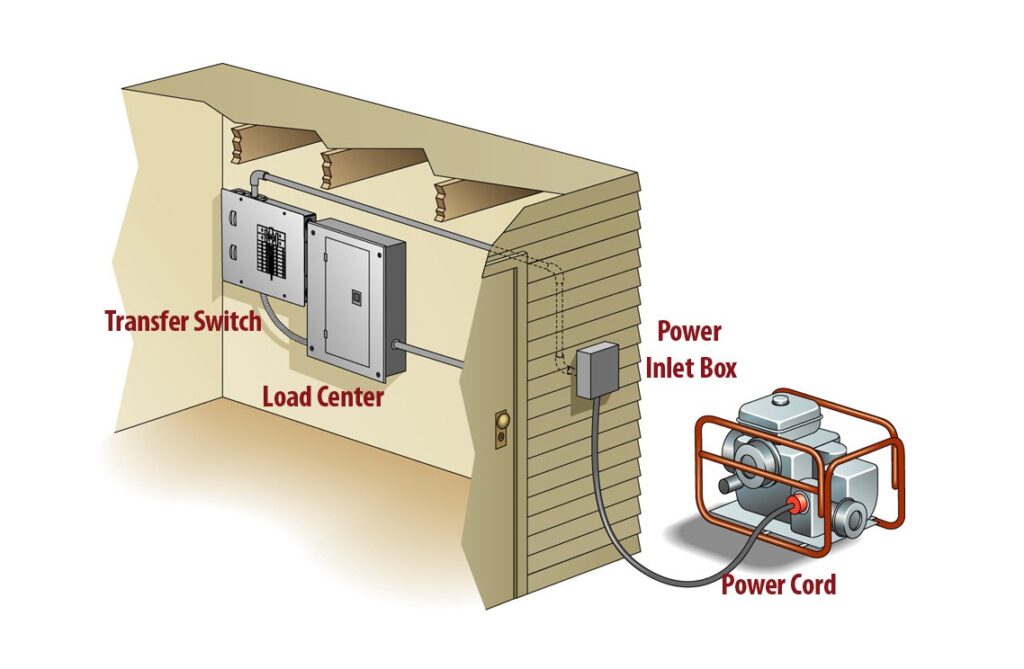
- A Transfer Switch (the hero we deserve): This is the most important part, folks. I can't stress this enough. A transfer switch prevents backfeeding, which is when your generator sends power back into the grid, potentially electrocuting linemen working to restore power. Think of it as the safety net of generator hookups. Don't skip it! Consider it your insurance policy against accidentally becoming a supervillain.
- Heavy-Duty Extension Cords (if you’re going the…less advisable route): Okay, I mentioned the transfer switch is the most important. These are a close second. If you're using extension cords (and you should really consider the transfer switch route), make sure they are heavy-duty and rated for outdoor use. Thin, flimsy cords are a fire hazard waiting to happen.
- Carbon Monoxide Detector (your silent guardian): Generators produce carbon monoxide, a colorless, odorless gas that can kill you faster than you can say "renewable energy." Place a carbon monoxide detector outside your house, near the generator, and another one inside your house, near the area where you'll be spending most of your time. Think of it as your Canary in a coal mine, but for deadly gas.
- Fuel Stabilizer (for the long haul): This will help keep your generator running smoothly if you don’t use it often. Fuel can go bad sitting in the tank, and you don't want to be fiddling with a clogged generator when the zombies, I mean, the storm, hits.
Step 3: Location, Location, Location!
Where you place your generator is crucial. Think of it as choosing the right battlefield. You want a spot that’s:
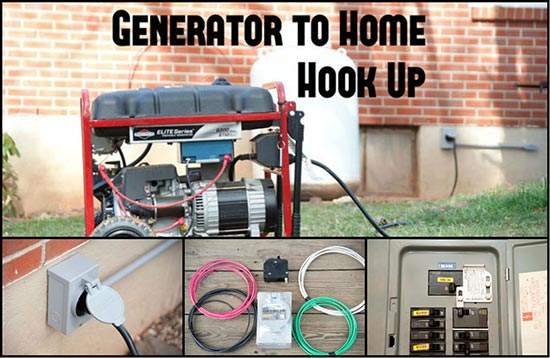
- Well-ventilated: Remember that carbon monoxide? Yeah, you want it far, far away from your house. At least 20 feet is a good rule of thumb.
- Dry: Water and electricity are not friends. Keep your generator under a covered area or use a generator tent.
- Away from flammable materials: Common sense, folks. Don't put it near dry leaves, gasoline cans, or your collection of vintage matchbooks.
Step 4: Hooking It All Up (The Right Way, or the Highway!)
Alright, time to get down to business. But before you do anything, I mean anything, turn off your main breaker! This will isolate your house from the grid and prevent that nasty backfeeding we talked about. It’s like putting your house in time-out.
With a Transfer Switch: If you're using a transfer switch (and you really should be!), the process is pretty straightforward. Follow the instructions that came with your transfer switch. Seriously, read the manual. It’s like the instruction manual for your life, but instead of existential dread, it just prevents electrocution. Usually, it involves connecting the generator to the transfer switch with a special cord, then flipping a few switches to select which circuits you want to power.

Without a Transfer Switch (Seriously, Reconsider): Okay, if you're absolutely, positively, 100% determined to skip the transfer switch, you'll need to use heavy-duty extension cords to plug appliances directly into the generator. But only plug in essential items and keep the generator away from the house. Be extremely careful not to overload the generator, and never, ever run extension cords under rugs or through doorways where they could get damaged. You've been warned.
Step 5: Fire It Up!
Once everything is connected, start the generator according to the manufacturer's instructions. Let it run for a few minutes before switching on any appliances. Slowly add loads to the generator, and don't overload it! Refer to the generator's manual for its wattage rating.
Step 6: Shutting Down
When the power comes back on, disconnect the generator from your house before you turn on your main breaker. Let the generator run for a few minutes to cool down before shutting it off.
Final Thoughts (and a Disclaimer!)
Hooking up a gas generator can be a lifesaver during a power outage, but it's crucial to do it safely. If you're not comfortable working with electricity, hire a qualified electrician. Seriously. It's better to spend a few bucks than to risk your life or your house.
And remember, I'm just some random guy on the internet telling you how to do this. I'm not responsible if you electrocute yourself or burn your house down. So, be smart, be safe, and happy generating!
