How To Get Energy From Biomass
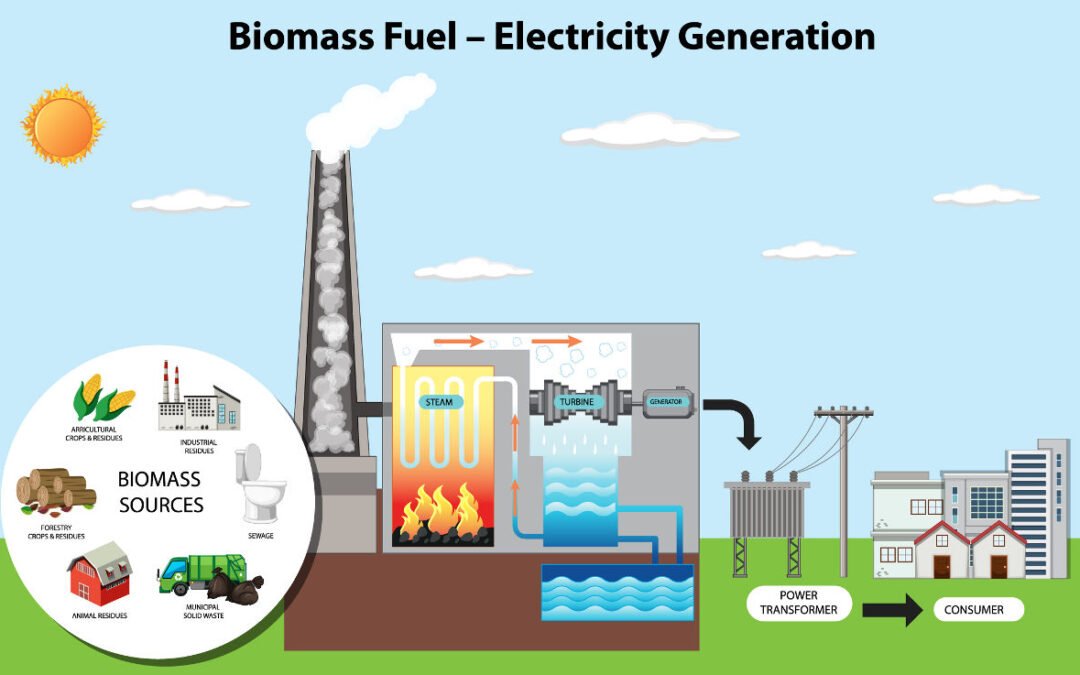
Ever look at a wilting flower, a fallen leaf, or even the banana peel you just tossed, and think, "There's power in there!"? Well, you'd be right! We're talking about biomass – basically, anything that was recently alive or is still alive. Think plants, trees, your leftover dinner scraps, and even animal waste. It might not sound like a blockbuster energy source, but trust us, it’s got some seriously surprising hidden talents.
Imagine the sun, our giant cosmic light bulb, pouring energy onto Earth. Plants, those clever green things, are like nature’s tiny solar panels. They perform a wondrous trick called photosynthesis, sucking up that Sun's energy and storing it right inside their leaves, stems, and roots. It’s like they’re bottling sunshine! When those plants eventually die, or when animals eat them and then... well, you know... that bottled sunshine is still there, just waiting to be set free.
The Oldest Trick in the Book: Burning Bright
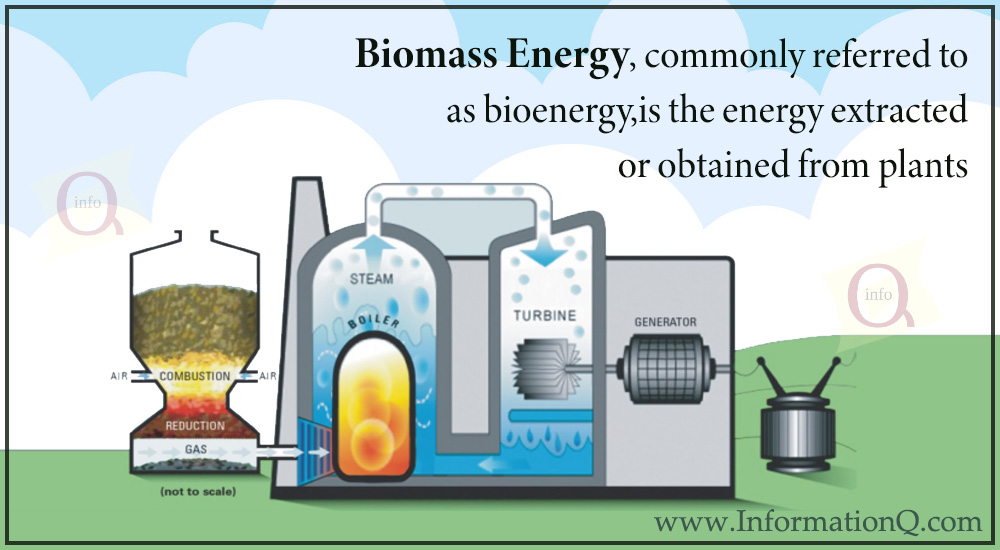
The simplest way to tap into this stored energy is one we've known for millennia: burning it. Think about sitting around a crackling campfire, feeling the cozy warmth, and perhaps roasting a marshmallow. You’re literally getting energy from biomass! That wood, once a living tree, is releasing all that bottled sunshine as heat and light. In our modern world, we’ve refined this. We can take wood scraps, saw dust, or even specially grown energy crops, compress them into neat little wood pellets, and use them to heat homes or generate electricity in power plants. It’s a bit like giving your fireplace a high-tech upgrade, turning forgotten forest floor into toasty warmth for your living room.
Must Read
It's nature's magic trick, turning sunlight into warmth!
The Stinky Secret: Turning Methane into Merriment
Now, this is where things get really fun – and a little bit smelly! Not all biomass has to go up in smoke. Some of it prefers a slower, more gassy transformation. We're talking about organic waste: food scraps, manure from farm animals, sewage sludge, and even the mountains of rubbish in landfills. When these materials break down without much oxygen, tiny microbes get to work, munching away and producing a gas called methane. This methane is the main ingredient in what we call biogas.

Think about a cow. Those lovely creatures are basically walking, grass-munching biogas factories! Their digestive systems are perfectly designed to produce methane, which they politely (or impolitely!) release. Farmers can actually capture the manure from these cows and put it into giant, sealed tanks called digesters. Inside, the microbes feast, and out comes biogas, which can then be used to generate electricity, heat buildings, or even fuel vehicles! It’s what we affectionately call cow power. Imagine powering your farm with cow poop – talk about a truly circular economy!
Liquid Sunshine for Your Tank: Biofuels
But wait, there's more! What if you want to power your car or airplane with biomass? Enter biofuels. This involves taking plants like corn, sugarcane, or even tiny fast-growing algae, and converting them into liquid fuels like ethanol or biodiesel. It's a bit like brewing. You take the plant material, break it down, and ferment it to create a fuel that can replace or mix with traditional gasoline and diesel. So, the next time you see a field of swaying corn, remember it might not just be destined for your dinner plate, but for your fuel tank too! Farmers are quite literally growing energy, right there in their fields.
Why is Biomass So Awesome?
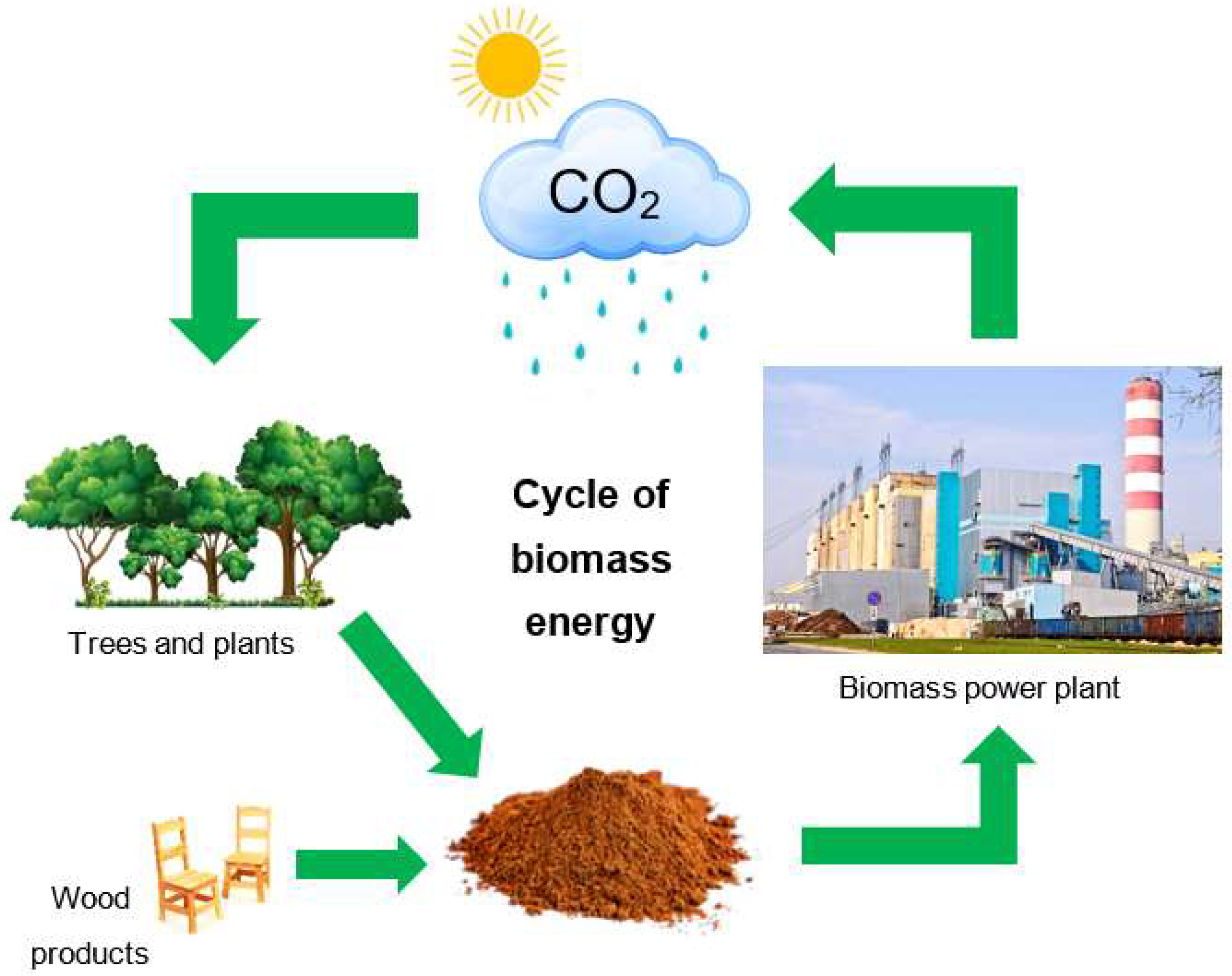
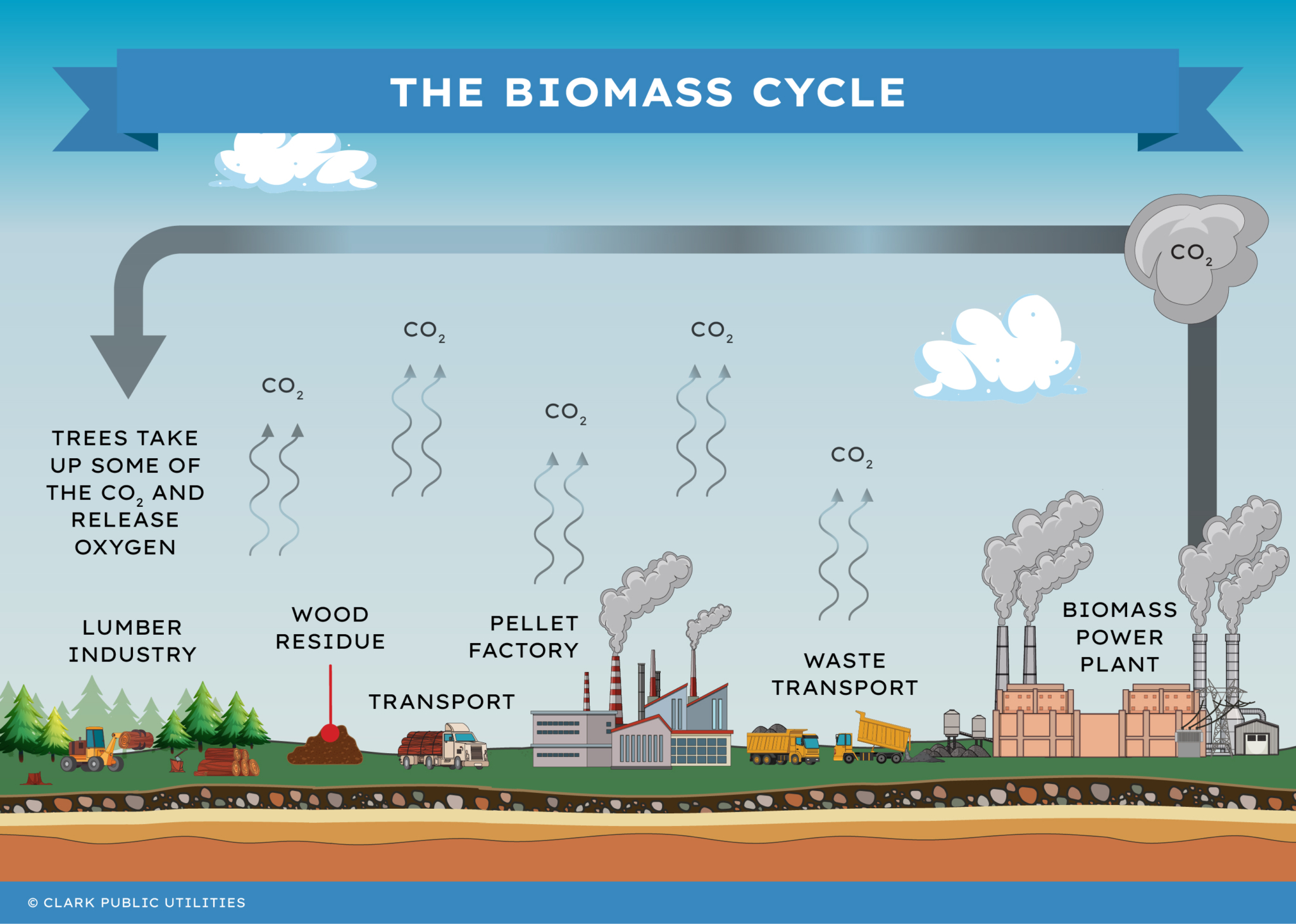
The real beauty of biomass is that it’s renewable. Unlike fossil fuels, which took millions of years to form and are finite, biomass can be regrown. We can plant more trees, grow more crops, and yes, our farm animals will continue to do their business! It’s a fantastic way to tackle waste-to-energy challenges, turning stuff that would otherwise just sit in landfills and produce harmful gases into something useful. It helps create a sustainable cycle, where we use nature's bounty, harness its stored sun energy, and then let nature get back to work growing more.
So, next time you see a pile of garden trimmings or scrape your plate into the compost, give it a wink. You're not just looking at waste; you're looking at a hidden powerhouse, a little piece of bottled sunshine ready to contribute to our energy needs, all thanks to nature's incredible, and sometimes surprisingly stinky, ingenuity!