
How To Get Confetti To Stick To Balloon

Balloons filled with swirling, shimmering confetti – what's not to love? These festive decorations bring an instant burst of joy to any celebration. Whether it’s a birthday bash, a New Year's Eve countdown, or a simple "thinking of you" gesture, confetti balloons add that extra sprinkle of magic. The anticipation as you pop the balloon, releasing a shower of glittering joy, is a thrill for all ages. But let's be honest, sometimes getting that confetti to actually stick to the sides of the balloon can be a bit of a challenge. We’ve all been there, staring at a deflated balloon with a sad clump of confetti at the bottom.
So, why bother with the effort? Beyond the obvious aesthetic appeal, confetti balloons offer a fantastic way to enhance the celebratory atmosphere. They're a visual focal point, adding texture and movement to your decorations. They also provide a wonderful photo opportunity, capturing those picture-perfect moments of pure, unadulterated happiness. Think of them as little vessels of joy, ready to explode with excitement! They are also incredibly versatile. You can customize the confetti colors to match any theme, from elegant gold and silver for a wedding anniversary to vibrant rainbow hues for a children’s party.
You see confetti balloons everywhere! From grand openings of businesses, where a cascade of branded confetti celebrates a new beginning, to graduation parties where school colors burst forth in a celebratory explosion. They’re used in wedding proposals, baby showers, and even as a fun and unique way to announce a gender reveal. The applications are truly endless. But the key to a truly successful confetti balloon experience lies in getting the confetti to cling to the balloon's inner surface, creating that beautiful, even distribution.
Must Read
Here are some practical tips to help you achieve confetti balloon perfection:
Static is Your Friend: The secret weapon is static electricity! Before inflating the balloon, rub the exterior of the balloon vigorously with a cloth (wool or fleece works best). This creates static electricity on the inside of the balloon, which will attract the lightweight confetti.
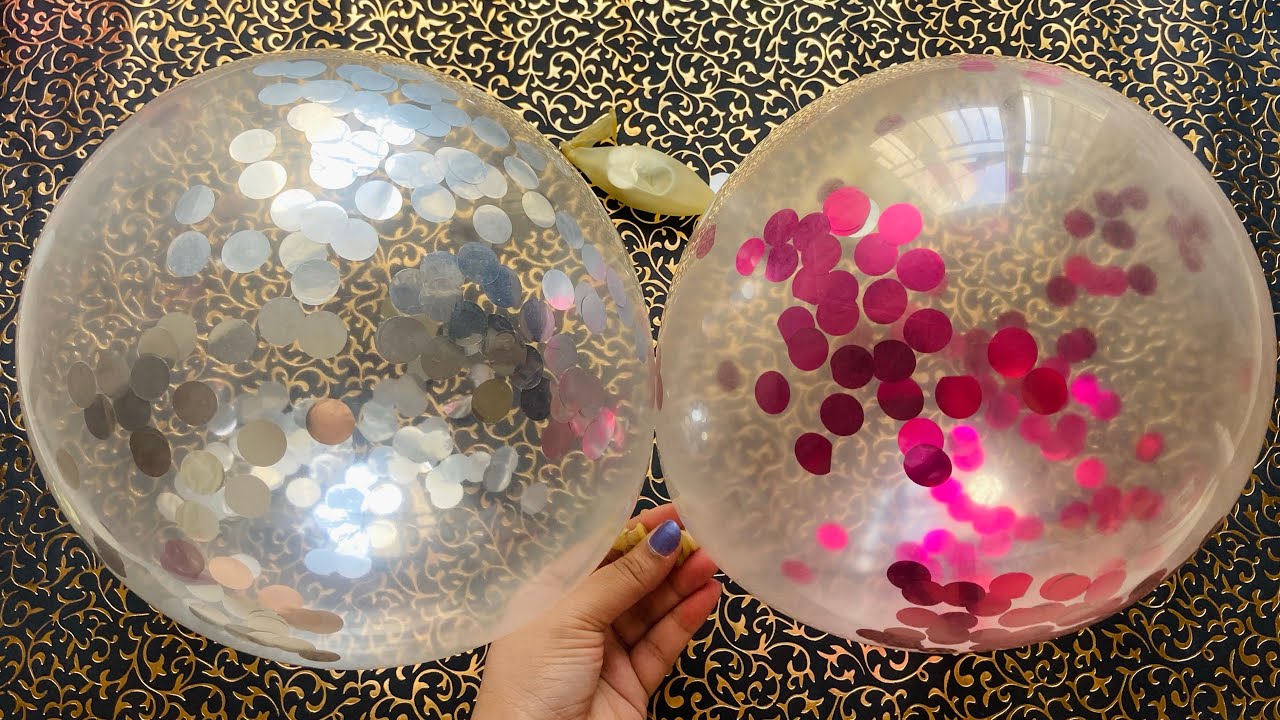
Inflate with Helium AND a Little Air: While helium is essential for floating, a small amount of regular air can help create turbulence inside the balloon, further distributing the confetti. Inflate with helium until mostly full, then add a few puffs of air.
Confetti Quantity Matters: Don't overdo it! Too much confetti will simply weigh the balloon down and prevent it from floating properly. A small handful (around 1-2 tablespoons) is usually sufficient for a standard-sized balloon.

Shake it, Baby! After inflating, give the balloon a good shake and roll it around to help the confetti cling to the sides. You can also gently tap the balloon to encourage the confetti to spread.
Consider Confetti Material: Lightweight confetti, such as tissue paper or mylar, works best. Heavier confetti, like glitter or metallic flakes, may not adhere as well and could reduce float time.

Humidity is the Enemy: Avoid inflating confetti balloons in humid environments. Moisture can counteract the static electricity and cause the confetti to clump together.
With these tips, you'll be well on your way to creating stunning confetti balloons that will bring joy and sparkle to any occasion. So go ahead, get creative, and let the confetti fly! Just remember to clean up afterwards!
