How To Find Socially Optimal Quantity
Ever wondered if there's a "Goldilocks" point for everything we do? A place where things are "just right" for everyone involved? Well, buckle up, buttercup, because that's exactly what we're diving into: finding the socially optimal quantity. It sounds intimidating, but trust me, it's more like a puzzle than a pop quiz, and the prize is a happier world! Let's explore this together!
What's the Fuss About?
Imagine a neighborhood bake sale. Too few cookies, and everyone's sad. Too many, and the baker's stuck eating stale sugar cookies for a week. The socially optimal quantity is that sweet spot where enough cookies are baked to satisfy everyone's cravings without creating a sugary surplus of despair. It's about balancing the needs and wants of society as a whole.
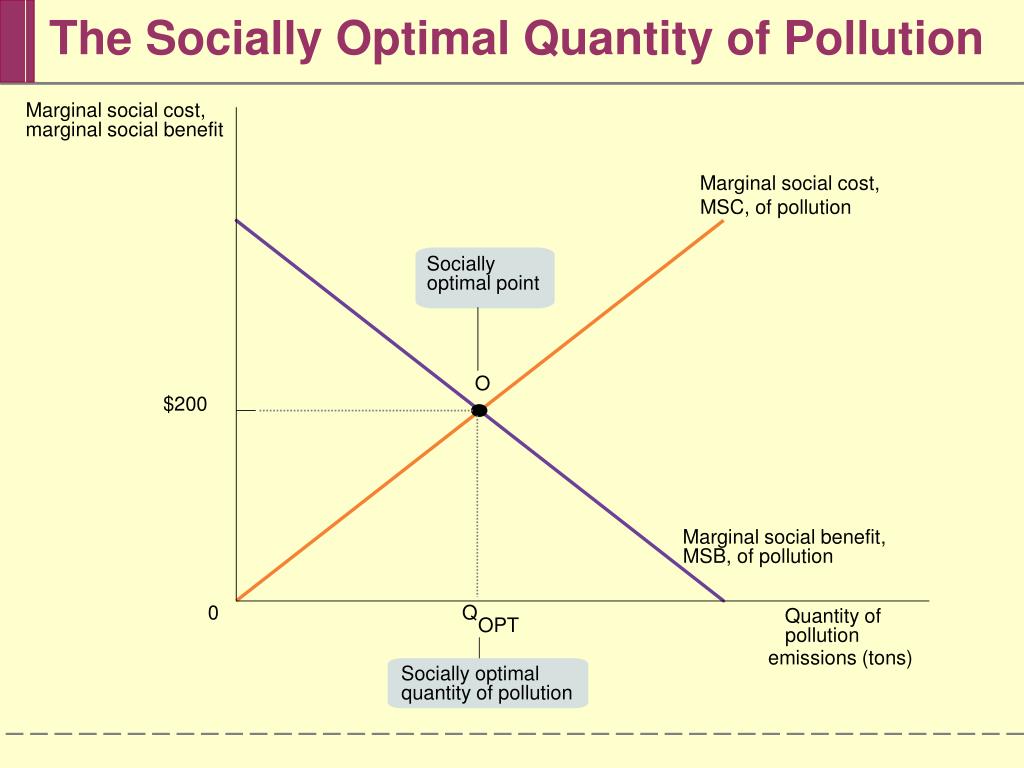
In economic terms, it's about finding the level of production (or consumption) where the total benefit to society is maximized. Think of it as a cosmic balancing act! One that makes sure that we get the right amount of everything, from clean air to affordable housing.
Must Read
Unlocking the Secret Sauce
So, how do we actually find this magical number? It's like solving a riddle wrapped in an enigma, but it's not as scary as it seems.
First, we need to understand costs and benefits. What are the costs of producing something – the resources used, the pollution created, and the effort involved? What are the benefits – the satisfaction of consumers, the profits for producers, and the overall improvement in well-being?
Think of it as weighing arguments in a court. On one side, you have the costs, which can be seen as the prosecution trying to reduce quantity. On the other side, you have the benefits, which are the defense trying to increase quantity.
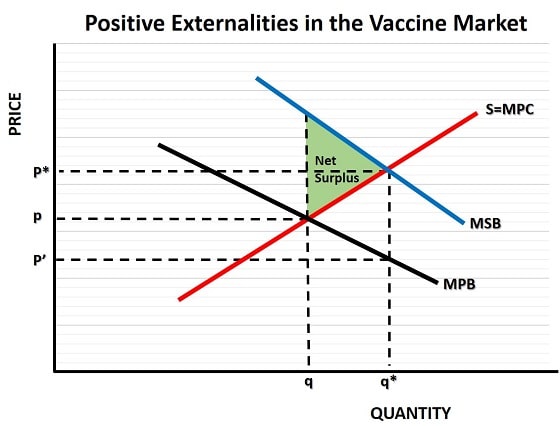
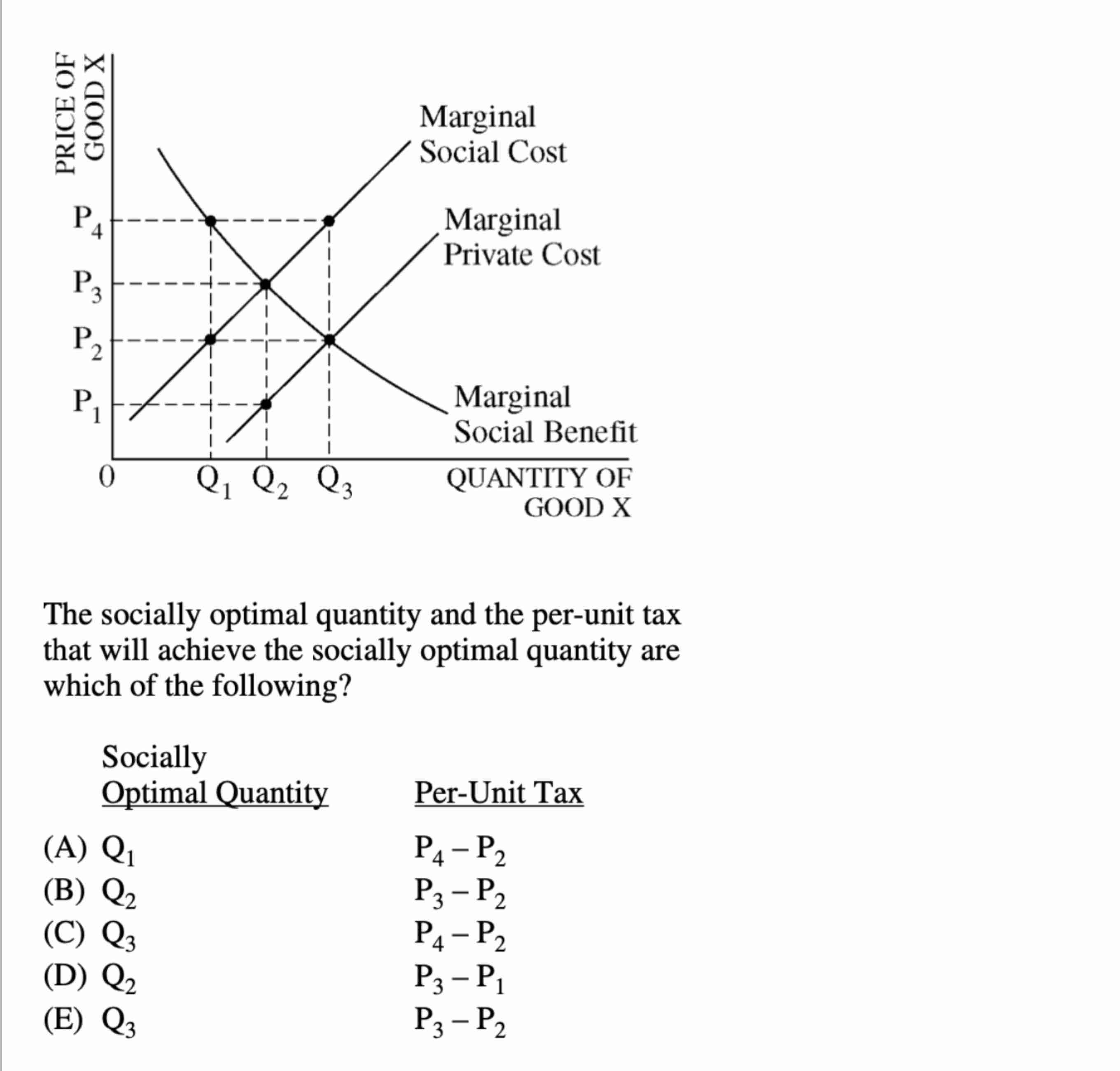
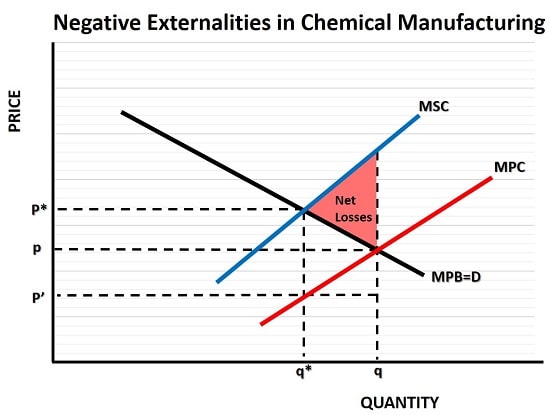
Now, here is where the fun starts. Finding the optimal quantity requires some serious detective work! You need to consider both the private costs and benefits (the costs and benefits experienced by the individuals directly involved in the transaction) and the external costs and benefits (the costs and benefits that affect third parties who aren't directly involved).
For example, consider a factory. The factory owner benefits from the profits, and the workers benefit from their wages. But the factory might also pollute the air, which harms the health of nearby residents. That pollution is an external cost.
The socially optimal quantity takes all of these factors into account.
Why It's Surprisingly Entertaining
Okay, maybe "entertaining" is a strong word, but seriously, this stuff is fascinating. It's like being a detective solving a case! Figuring out all the different costs and benefits, weighing the trade-offs, and ultimately arriving at a solution that's best for everyone. It's a real intellectual workout!
Plus, understanding the concept of socially optimal quantity can help you make better decisions in your own life. When you're considering buying a new car, for example, you can think about not just the cost to you, but also the environmental impact. Are there external costs, and are the benefits of a fancy new car worth those costs? It helps you look at the world with a different lens.
The Takeaway
Finding the socially optimal quantity isn't always easy. It often involves complex calculations and difficult trade-offs. But it's an important goal because it helps us create a fairer, more efficient, and more sustainable society. It's about making sure that everyone benefits from our economic activities, not just a select few.
So, next time you're at the grocery store, or filling up your gas tank, take a moment to think about the socially optimal quantity. It might just change the way you see the world!
Think of it like this: You are striving to make a cake that is big enough for everyone, where each person gets a fair piece, and where there aren't any leftovers to spoil! Happy baking!