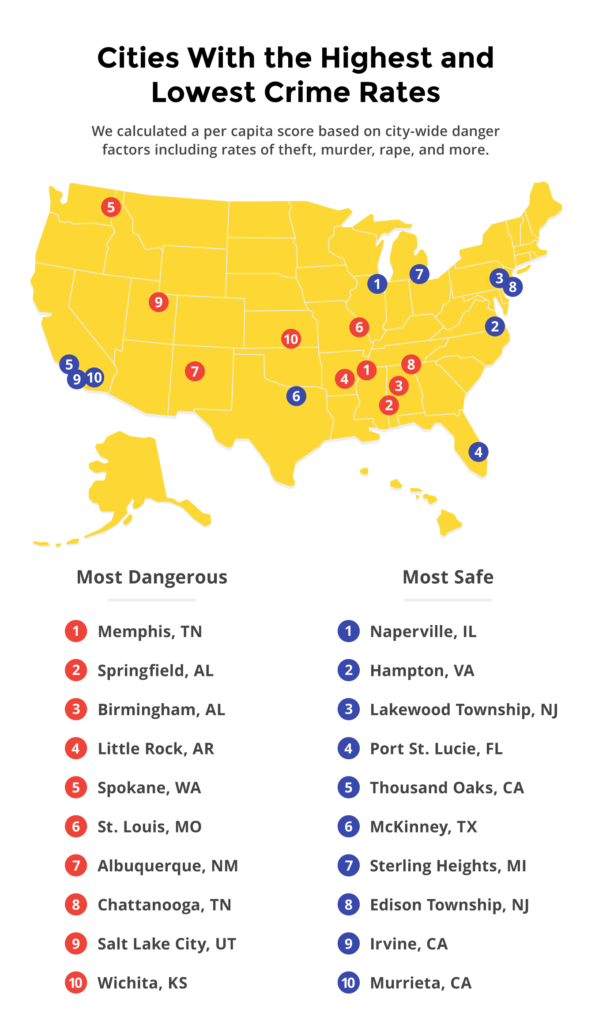
How To Find Crime Rate In Neighborhood
So, picture this: My friend, let's call her Brenda, was super excited about her new apartment. Top floor, great light, seemed like a dream. She moved in, unpacked, and was just settling down for her first night when she heard it. A thump. Then another. And another. Right outside her window. Her heart started doing the cha-cha, you know, the frantic kind. She immediately thought the worst. Burglars? A gang initiation? Turns out, it was just a particularly robust squirrel trying to get into the attic space. But for a solid ten minutes, Brenda was convinced she'd moved into a real-life episode of Cops.
Her first thought after the squirrel-induced panic subsided? "I really should have checked the crime rate around here." And honestly, Brenda, who hasn't been there? Whether you're moving, house hunting, or just feeling a little bit antsy about that new car parked suspiciously often down the street, finding out your neighborhood's crime rate is a pretty natural, and smart, thing to do. You want to feel safe, right? Of course, you do! So, let's get you armed with some digital detective skills, because knowing is half the battle, and honestly, it's way less dramatic than Brenda's squirrel saga.
Official Law Enforcement Websites: Your First Stop
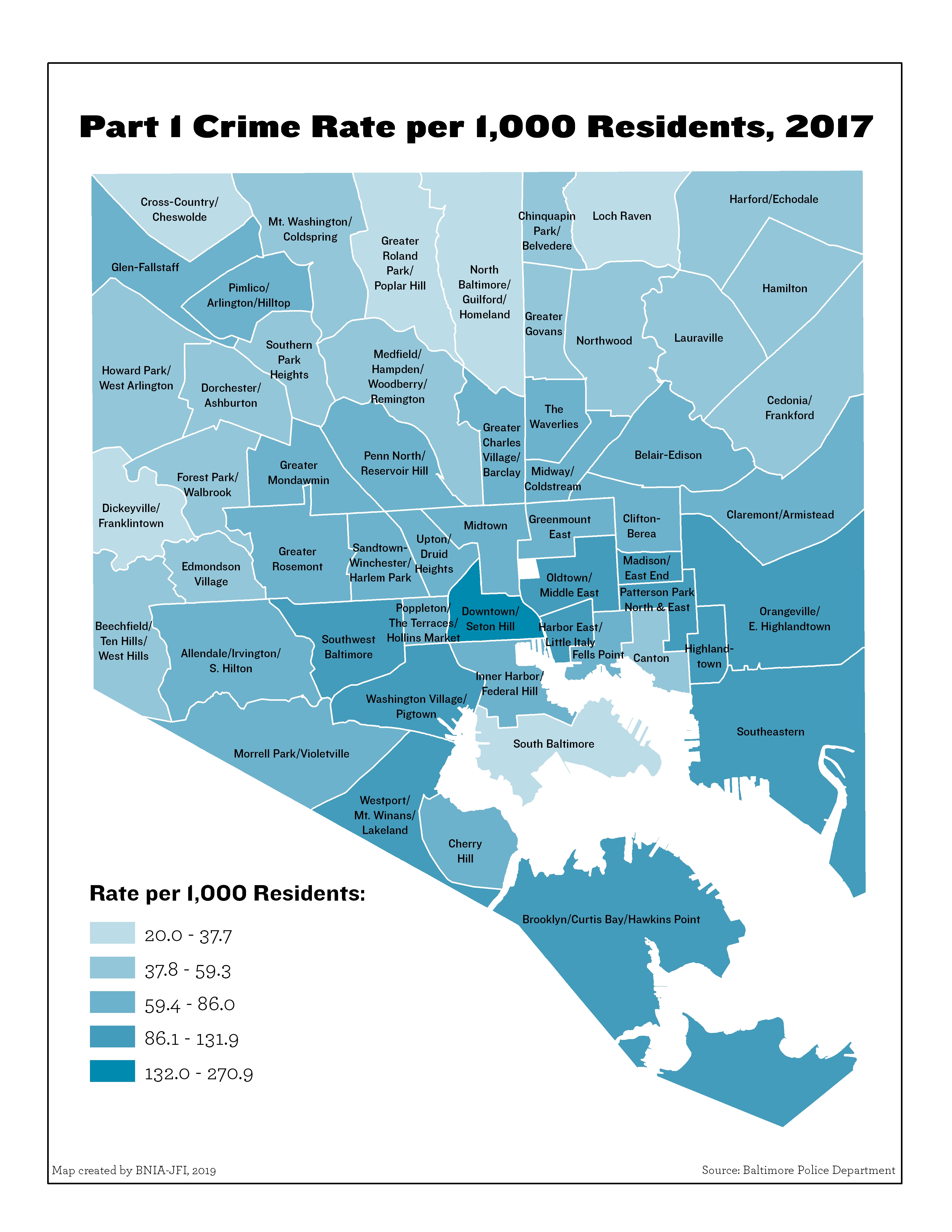
Okay, first things first: go straight to the source. Most local police departments and sheriff's offices have websites, and many of them are surprisingly modern (shocking, I know!) with sections dedicated to local crime statistics or even interactive crime maps. These are often updated regularly and provide data directly from official reports. You'll typically find things like:
- Specific incident reports (often anonymized for privacy, thankfully).
- Crime categories (burglaries, assaults, vandalism, etc.).
- Sometimes even hot spots where certain types of crime are more prevalent.
Just search for "[Your City/County] Police Department" or "Sheriff's Office" and poke around their site. Look for tabs like "Crime Statistics," "Community Safety," or "Crime Map." This is usually the most reliable and up-to-date information you'll get, straight from the folks who are actually responding to calls. Pretty neat, huh?
Must Read
Third-Party Crime Mapping Sites: The Digital Detectives
If your local precinct's website is a bit… retro (or non-existent for crime maps), fear not! There are some fantastic third-party websites that aggregate this data and present it in super user-friendly maps. Think of them as your personal, digital Holmes and Watson, but without the deerstalker hat.
Some popular ones include: SpotCrime, CrimeReports, and NeighborhoodScout.
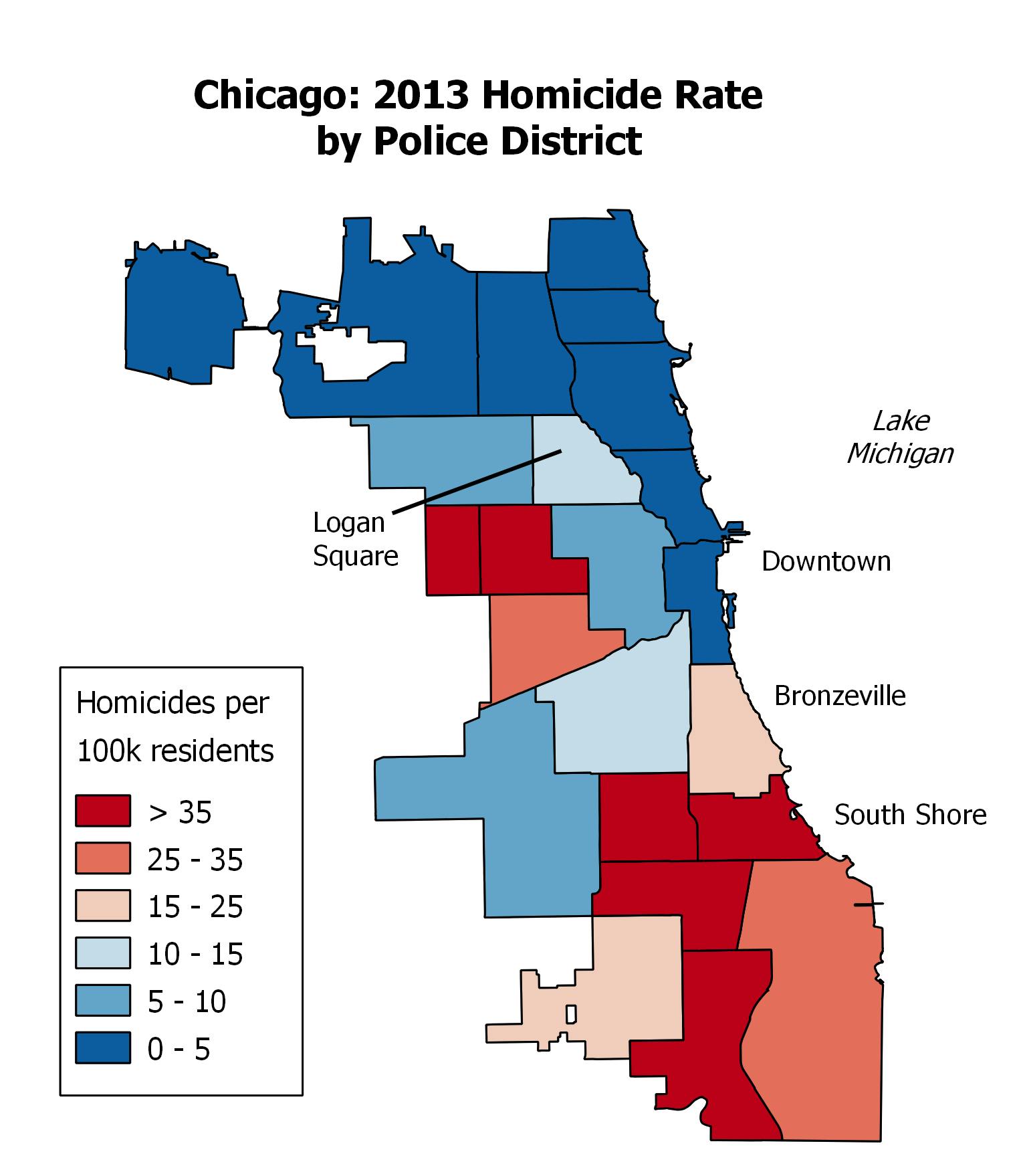
- SpotCrime and CrimeReports often pull public crime data directly from police feeds and display it on a map, sometimes even showing you where and when specific incidents occurred. You can often set up alerts for your specific address, which is pretty handy.
- NeighborhoodScout goes a bit deeper, providing comprehensive neighborhood profiles that include crime rates, but also school ratings, demographics, and real estate info. Be warned, though, some of their juicier data might be behind a paywall. But hey, a little investment for peace of mind? Might be worth it.
These sites are great for getting a quick, visual overview. Just type in an address or zip code, and poof, a map dotted with little crime icons appears. It’s like a macabre scavenger hunt, but for information!
Sex Offender Registries: A Specific Concern
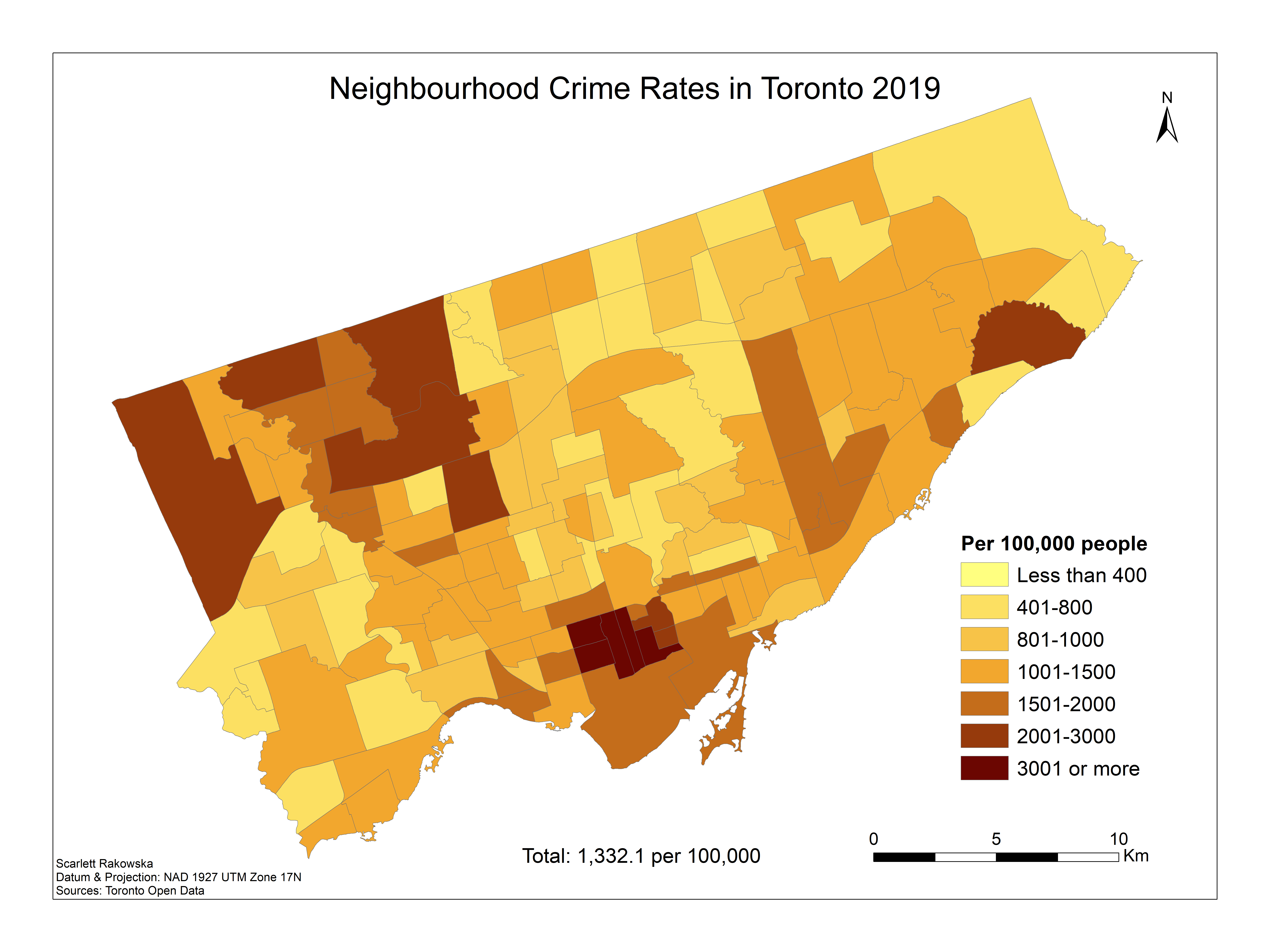
While not strictly "crime rate," knowing about registered sex offenders in an area is a definite part of understanding neighborhood safety for many people. Most states have public online registries where you can search by address or zip code. In the US, a common one is the National Sex Offender Public Website (NSOPW), which links to individual state registries. It's a specific, but important, layer of information if you have particular concerns.
Local Wisdom & Boots on the Ground: The Old School Way
Alright, so we've covered the digital realm. But sometimes, the best information comes from good old human interaction and observation. Yes, I know, talking to people. Shocking, right?
- Talk to people who live there: If you're house hunting, chat up folks walking their dogs, hanging out in their yards, or working at local businesses. Ask them about their experiences. They'll often give you the real, unfiltered lowdown. "Is it generally safe around here?" "Do you feel comfortable walking alone at night?"
- Visit at different times: A neighborhood can look totally different at 10 AM on a Tuesday versus 10 PM on a Saturday. Drive through, walk around. Is it well-lit? Are there people out and about? Do you see signs of neglect or vandalism? Trust your gut here.
- Check local community forums/Facebook groups: These can be a goldmine of local chatter, including complaints or discussions about crime trends. Just remember to take everything with a grain of salt – a single incident can sometimes blow up disproportionately online.
This "boots on the ground" approach gives you a feel for the neighborhood that numbers alone can't quite capture. Because let's be real, sometimes the data looks fine, but the vibe is just... off. And vice versa!

The "Vibe Check": Trust Your Gut (with Data)
Ultimately, finding your neighborhood's crime rate isn't just about crunching numbers. It's about empowering yourself with information so you can make an informed decision. Combine the hard data from official sources and mapping sites with the anecdotal evidence and your own observations. If the numbers look good, and the vibe feels good, you're probably in a pretty solid spot.
So, go forth, intrepid neighborhood explorer! Arm yourself with knowledge. You'll thank yourself later, and maybe even save yourself from a squirrel-induced panic attack. Because nobody wants to live in fear of small, bushy-tailed rodents, right? Right?