
How To Find Amp Hours Of Battery

Hey there, adventurer! Ever stared at a battery, be it in your portable speaker, drone, or that trusty power bank, and wished you had a crystal ball to tell you exactly how long it would keep the good times rolling? Well, guess what? You don't need magic! You just need to unlock the secret of Amp Hours. And trust us, once you do, your world of gadgets, trips, and preparedness is about to get a whole lot more fun!
Think about it: no more guessing games, no more "will it last?" anxiety. Just pure, unadulterated knowledge about your battery's endurance. It's like giving your devices a superpower, and you're the one holding the remote!
So, What Exactly Are Amp Hours (Ah)?
Let's strip away the tech jargon and make this super simple. Imagine a battery is a little energy reservoir. Amp Hours (Ah) is just a fancy way of saying how much water that reservoir can hold, or, more accurately, how much "electron juice" it can deliver over time.
Must Read
Specifically, one Amp Hour means the battery can supply one amp of current for one hour. Or, half an amp for two hours. Or, two amps for half an hour! See? It’s all about capacity and duration. The higher the Ah number, the longer your device can run, or the more power it can provide.
Isn't that neat? It’s the metric that tells you if your drone can make that extra scenic loop, or if your phone charger will survive the entire festival weekend. Knowledge is power, literally!
Why Should You Care About Amp Hours?
Good question! And the answer is delightfully simple: because it gives you freedom and peace of mind!
- Want to go camping off-grid? Knowing your power station's Ah helps you plan your lights, fridge, and phone charging like a pro.
- Planning a long day trip? You'll know if your portable fan or speaker will last from sunrise to sunset.
- Worried about a power outage? You'll be confident in how long your emergency lights or medical devices can run.
It transforms you from a hopeful guesser into a prepared, savvy gadget master. And frankly, that just makes life more enjoyable, doesn't it?
![[Full Guide] Understanding Battery Amp Hours (Ah) – LiTime-US](http://www.litime.com/cdn/shop/articles/Understanding_Battery_Amp_Hours_Ah_74e2d273-be4f-46d2-a727-64e008128106.jpg?v=1745229839)
The (Not So) Secret Ways to Find Your Battery's Amp Hours
Ready to unlock this superpower? Here are the simplest, most fun ways to find those elusive Ah numbers.
Method 1: The "Look, Ma, No Math!" Way (Check the Label!)
This is by far the easiest! Most batteries, especially those in power banks, portable devices, or even car batteries, have their Amp Hour rating printed right on them. Look for "Ah" or "mAh" (milliamp-hours, which is just Ah multiplied by 1000).
Take a peek at your phone's battery (if removable), your drone's battery pack, or that emergency lantern. You’ll often see something like "3000mAh" or "10Ah." Voilà! Instant gratification!
Pro Tip: If it's in mAh, just divide by 1000 to get Ah. So, 5000mAh is 5Ah. Easy peasy!
Method 2: When the Label is Playing Hard to Get (Calculating from Watt-Hours)
Sometimes, battery manufacturers list "Wh" (Watt-hours) instead of Ah. Don't fret! This is still super simple to convert. Watt-hours tell you the total energy capacity, but we can easily turn it into Amp Hours if we also know the battery's voltage (V).

You'll usually see the voltage listed as "V" (e.g., 3.7V for a phone battery, 12V for a car battery, 18V for power tools). The magic formula is:
Ah = Wh / V
Let's say your power bank says "37Wh" and "3.7V."
37 Wh / 3.7 V = 10 Ah!
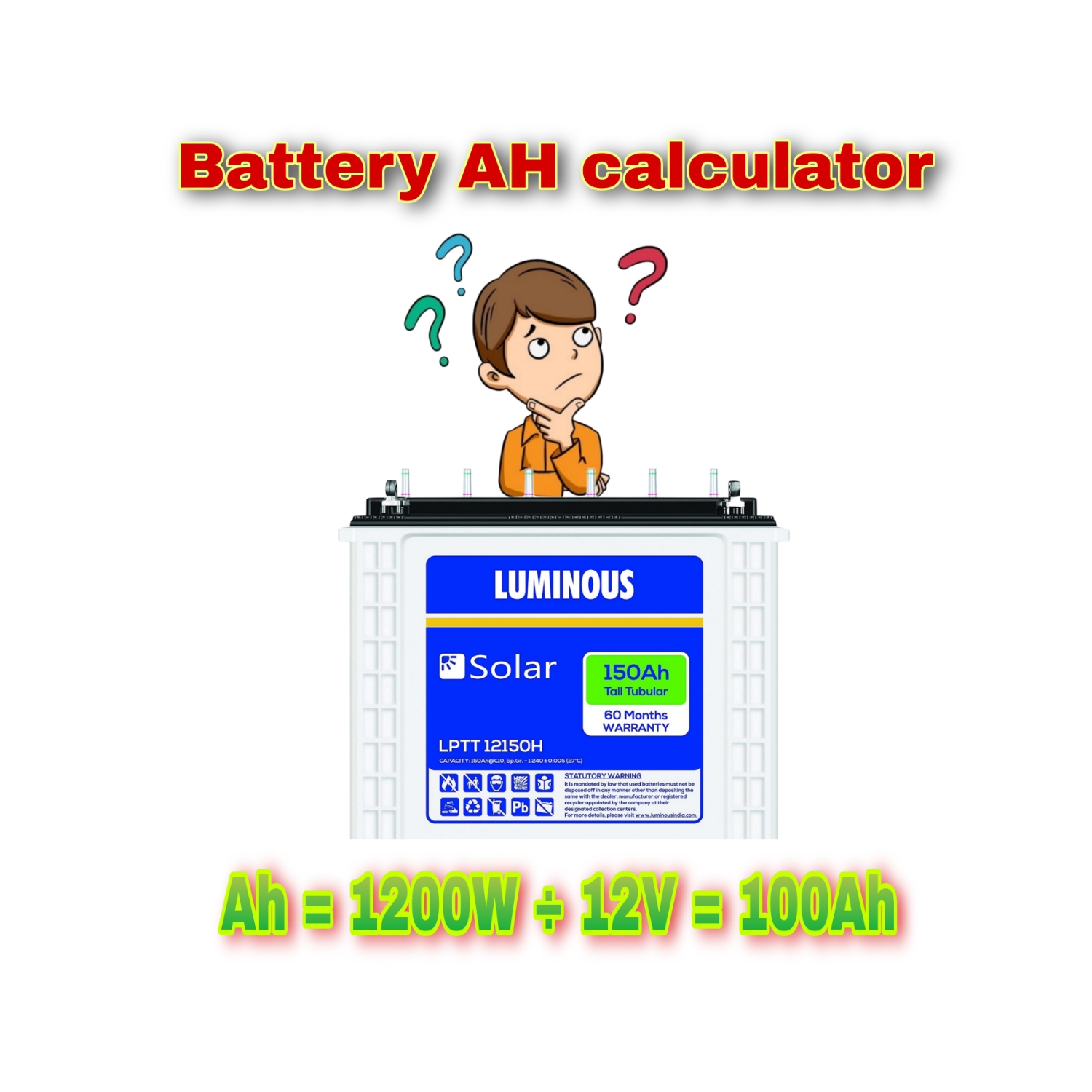
How cool is that? You just performed some electrical wizardry! Now you know exactly how much endurance that power bank really has.
Method 3: For the Truly Curious (Discharge Testing)
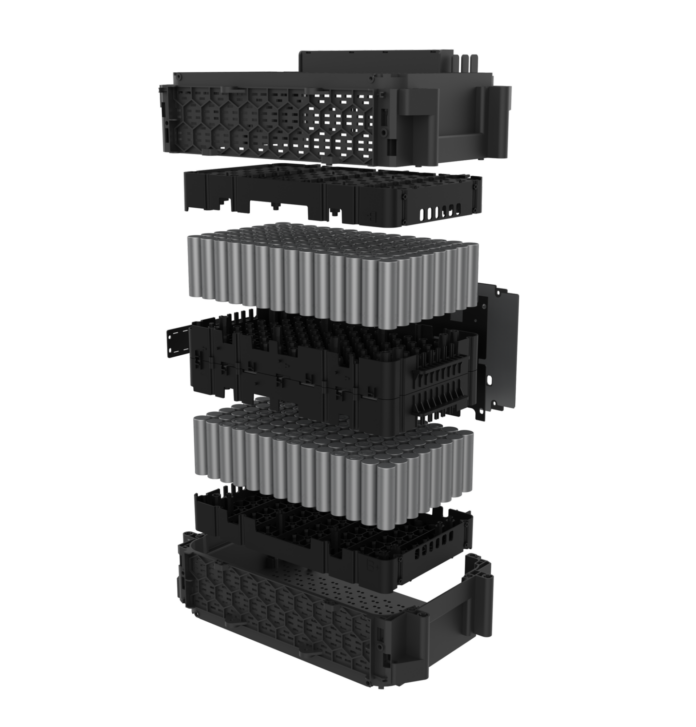
Alright, for the electronics enthusiasts, the hands-on heroes, there's discharge testing. This is a bit more involved, but incredibly satisfying and accurate for older batteries or those with no markings.
Here’s the basic idea:
- Fully charge your battery.
- Connect a known, constant load (like a specific light bulb or a dedicated electronic load tester) that draws a measurable current (let's say 0.5 Amps).
- Time how long it takes for the battery to completely discharge (safely, to its minimum recommended voltage).
- Multiply the current (Amps) by the time (Hours).
So, if your battery powers a 0.5 Amp light bulb for 20 hours:
0.5 Amps * 20 Hours = 10 Ah!
Important: This method requires a bit more technical know-how and safety precautions. If you're new to electronics, stick to Methods 1 and 2 first. But isn't it exciting to know this level of detail is possible?
Putting Your Newfound Superpower to Use!
Now that you're an Ah expert, imagine the possibilities!
- You can calculate how many times your 10Ah power bank can recharge your 3000mAh (3Ah) phone battery (about 3 full charges, assuming some energy loss).
- You can compare different portable power stations not just by price, but by their actual useful capacity for your needs.
- You can confidently pack for that multi-day wilderness trek, knowing your essential devices will stay powered.
It's about making smarter choices, being better prepared, and ultimately, having more fun and fewer worries!
Embrace the Power of Knowledge!
Isn't it amazing how a little bit of knowledge can transform something seemingly complex into a practical, empowering tool? Finding the Amp Hours of your batteries isn't just about numbers; it's about gaining control, maximizing your adventures, and feeling more confident in our tech-filled world.
So go on, take a look at your gadgets! Find those Ah or Wh ratings. Calculate, compare, and get inspired. Your journey into understanding the heart of your portable power has just begun, and trust us, it's a journey that will open up a whole new world of possibilities. The power is literally in your hands – now you know how to measure it!