
How To Dry A Cockatiel After A Bath
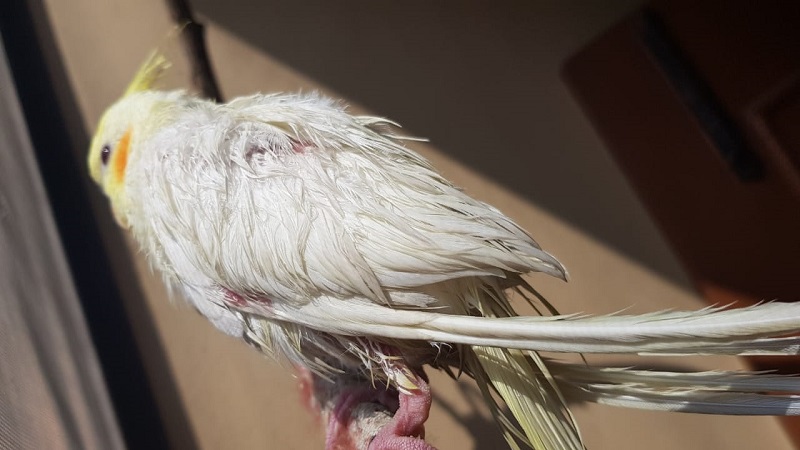
Okay, so you’ve just given your cockatiel a bath. Good job! Pat yourself on the back. Now comes the slightly less glamorous, but equally important part: drying your little feathered friend. Because nobody wants a soggy birb, right?
But before we dive in, let's be honest: Cockatiels and water? It's a complicated relationship. Some love it, some tolerate it, and some act like you're trying to torture them. (Drama queens, the lot of them!)
So, how do we transform a dripping, possibly grumpy, cockatiel into a fluffy, happy one? Let's get to it!
Must Read
Towel Time: The Initial Fluff
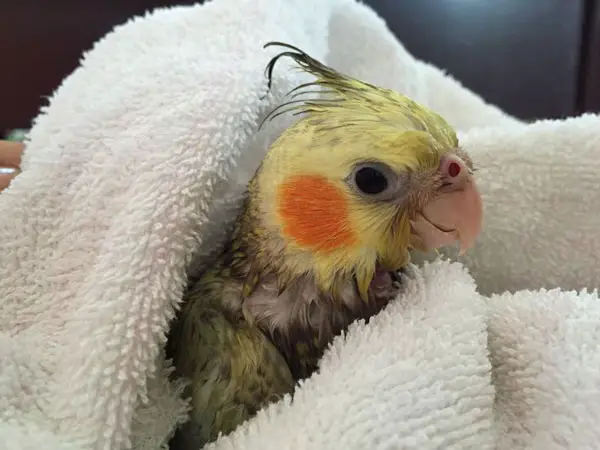
First things first: Grab a soft, clean towel. I’m talking super soft. Think baby blanket soft. No rough towels allowed! We're going for a spa experience here, even if your cockatiel doesn't appreciate it just yet.
Gently wrap the towel around your bird. Don’t squeeze! Imagine you're holding a delicate cloud. Okay, maybe a slightly damp cloud. You get the idea.
Now, gently rub the towel back and forth. Pay special attention to the head and neck – those areas tend to hold the most water. Be careful around the eyes and beak, of course. You don't want to accidentally poke them! (Ouch!) Think less vigorous scrubbing, more gentle patting.
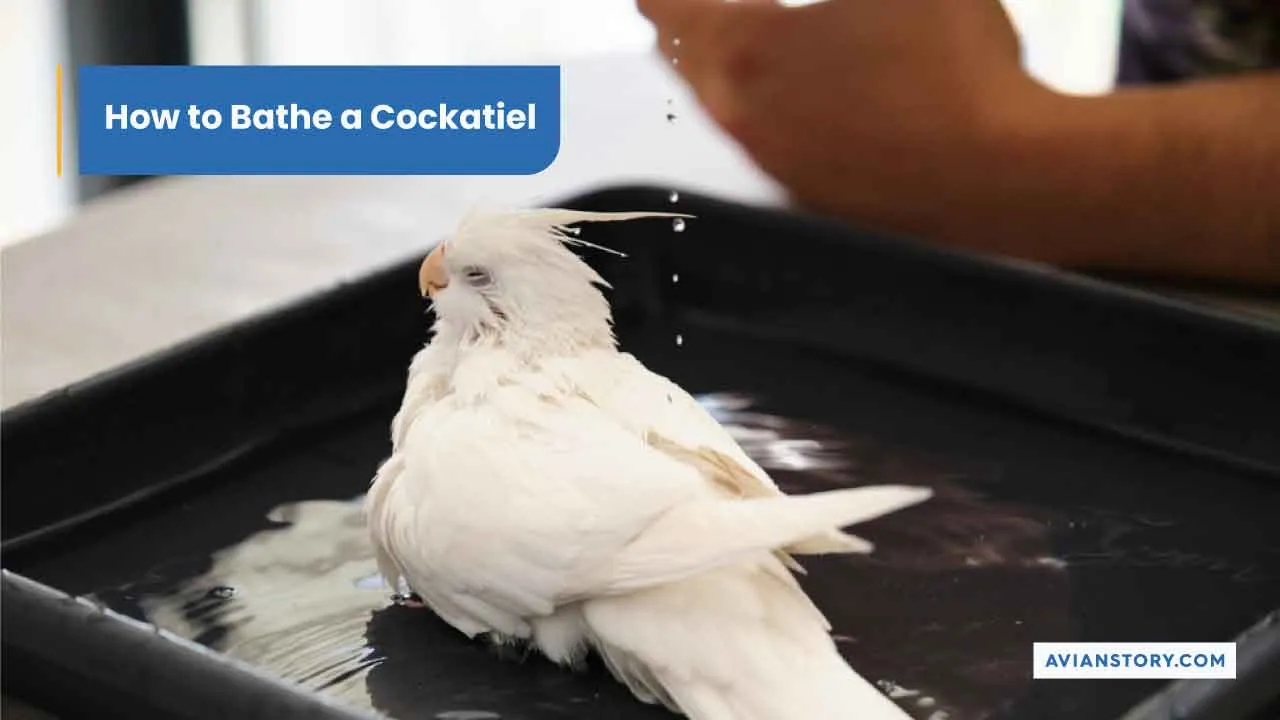
Pro tip: Talk to your cockatiel in a soothing voice while you're toweling them off. Tell them how beautiful they are (even if they look like a drowned rat at the moment). Reassurance goes a long way!
Repeat with a fresh towel if necessary. You'll be surprised how much water they can hold!
The Blow-Dryer Option: Proceed with Caution!
Okay, now we're entering potentially controversial territory. Some people swear by blow-dryers for drying their birds, while others wouldn't dream of it. The key here is extreme caution.
If you choose to use a blow-dryer, here's what you absolutely need to do:
- Use the lowest heat setting possible. I'm talking practically cold air.
- Hold the blow-dryer a significant distance away from your bird. We're not trying to cook them! (Seriously, don't.)
- Keep the blow-dryer moving. Don't focus on one spot for too long.
- Constantly monitor your cockatiel's reaction. If they seem stressed or uncomfortable, stop immediately.
Personally, I'm a little wary of blow-dryers. There's always the risk of overheating or scaring your bird. But if you're confident and careful, it can be a quick way to dry them.
Important: Never use a blow-dryer with a Teflon coating, as heated Teflon can release fumes that are toxic to birds. Check your blow-dryer's manual or contact the manufacturer if you're unsure.
The "Let Nature Do Its Thing" Method: The Easiest Option?
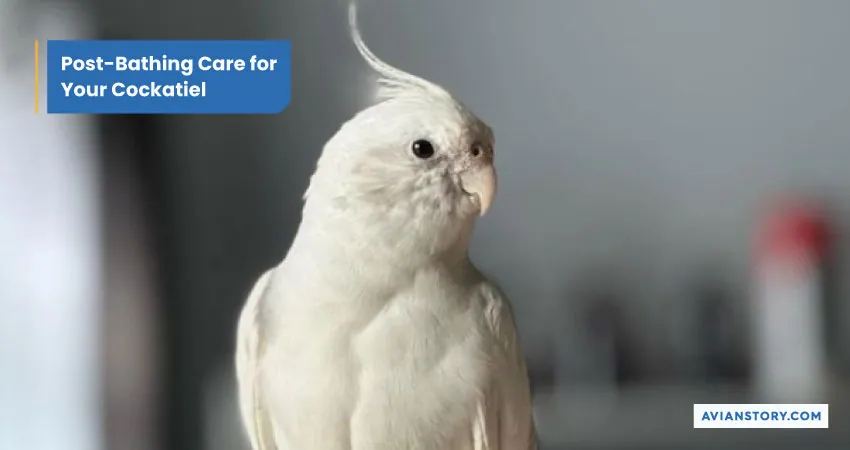
Honestly, sometimes the best approach is to simply let your cockatiel air dry. Place them in a warm, draft-free area, preferably in their cage or on a play stand. They'll preen themselves and fluff up their feathers in no time.
Make sure the room is warm enough! A chilly bird is not a happy bird. (And they'll definitely let you know about it!)
You can also encourage preening by offering a millet spray or other favorite treat. It's a great way to distract them from being wet and make the whole drying process a little more enjoyable. For both of you!

Post-Bath Blues (and How to Avoid Them)
Some cockatiels get a little… grumpy… after a bath. Don't take it personally! They're just feeling a little vulnerable and out of sorts.
Offer plenty of attention and affection. Talk to them in a soothing voice. Give them their favorite treats. And most importantly, be patient! They'll be back to their normal, adorable selves in no time.
And remember: bath time should be a positive experience. Start slow, be gentle, and always prioritize your cockatiel's comfort. With a little patience and the right drying techniques, you can turn bath time into a bonding experience… or at least, something they tolerate without too much drama. Good luck!