Ah, the sweet symphony of silence. A rare and precious commodity in our busy lives. But sometimes, that silence is rudely interrupted. Not by a doorbell, not by a phone, but by a shrill, insistent, utterly relentless guardian of our airspace: the smoke alarm. And not just any smoke alarm, but often the indomitable First Alert.
You know the sound. That sudden, piercing shriek that jolts you awake at 3 AM. It’s not a fire, of course. It’s just… protesting. Maybe it saw a dust bunny float by. Maybe it sensed your sheer audacity in trying to make toast. Whatever its silent, inscrutable reason, it has decided it’s time for its grand opera performance. And you, dear reader, are ready to play the role of the valiant conductor, bringing its screeching to a decisive, delightful halt.
The Battery-Powered Beast: A Simple Extraction
Most of the time, your adversary is a straightforward, battery-powered model. This is where your mission begins. First, locate the offending sentinel. It's usually high up, lurking near the ceiling, like a tiny, judgmental disc. You'll need some leverage. A sturdy step stool or a reliable ladder is your first weapon in this quiet rebellion. Please, no precarious stacks of old encyclopedias. We're aiming for peace, not another emergency.
Once you’re eye-to-eye with the noisemaker, take a moment. Observe its design. Most First Alert alarms are designed to be twisted off their mounting bracket. This isn't a wrestling match; it’s more like opening a stubborn jar. A firm, counter-clockwise twist usually does the trick. You’ll feel a slight click, and then the entire unit should detach, dangling by its power connector if it's hardwired, or just falling into your hand if it's purely battery-operated.
"The moment of truth: you hold the noisy nuisance in your hands. Victory is within reach."
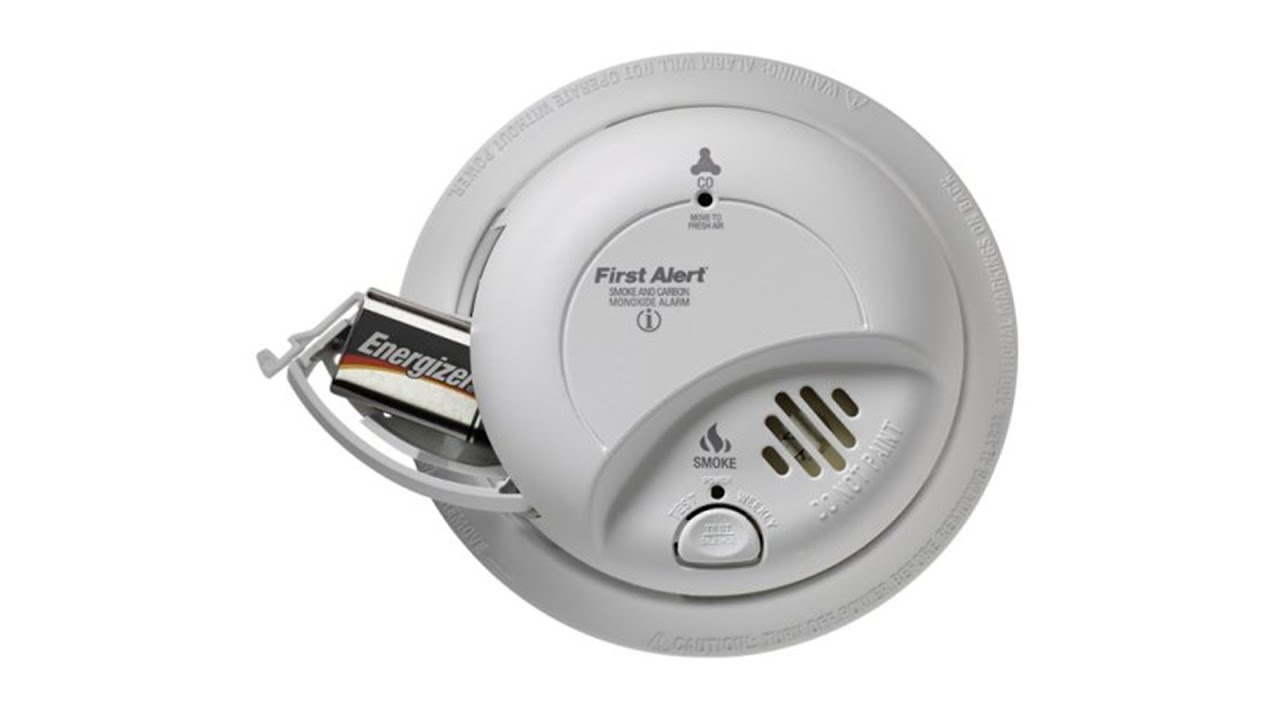
How To Disconnect A First Alert Smoke Detector First Alert S
Now, flip it over. Look for a small compartment, often with a little arrow or a tiny clip. This is the heart of the beast: the battery compartment. Pry it open gently. Sometimes it slides, sometimes it clips. Inside, you’ll find the power source, typically a 9-volt battery. It looks like a small, rectangular brick. Simply pop it out. Disconnect the terminals. Feel the power drain from the device. Hear that? It’s silence. Beautiful, glorious silence. Don't forget to close the compartment once the battery is out.
The Hardwired Horror: A Deeper Disconnection
For those living with the more integrated, hardwired versions, your mission requires a tiny bit more finesse. These alarms often have a small power cord connecting them to your home's electrical system, in addition to a backup battery. You'll still start by twisting the alarm off its mounting plate, just like its battery-only cousin.
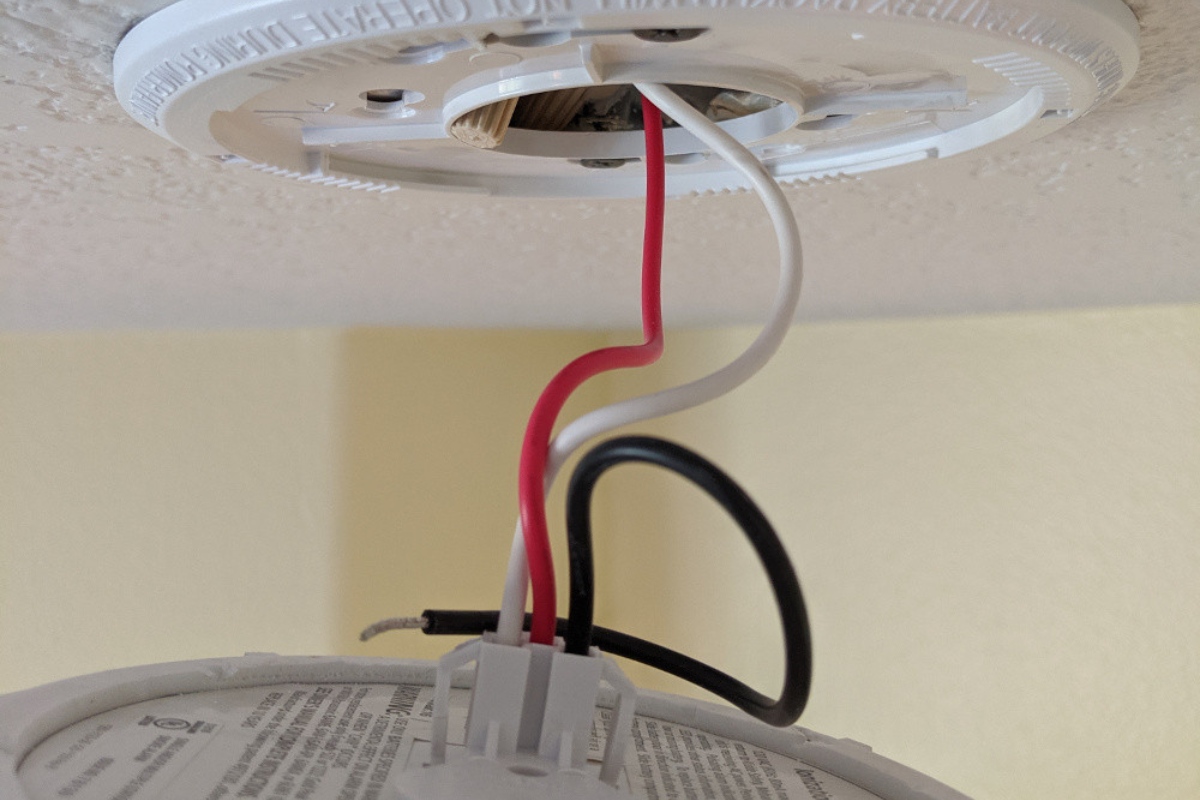
How To Stop A First Alert Smoke Detector From Beeping | Storables
Once it's twisted free, you'll see the wire connector plugged into the back of the alarm. It usually has a small clip or tab that you'll need to press to release it. Gently but firmly, unplug the connector. It might feel a little stiff, but it should come loose without too much effort. Again, the goal is not destruction, just a polite but firm separation. At this point, the alarm is completely disconnected from your home's power. It might still have a backup battery, so follow the steps above to remove that as well, just to be thorough.
For the truly dedicated, and only if you are absolutely certain which circuit it is on, you could theoretically flip the circuit breaker. But honestly, for most impromptu silencing operations, simply unplugging the unit is enough. You’re not trying to rewire your house; you’re just trying to enjoy your morning coffee without a sudden, deafening reprimand.
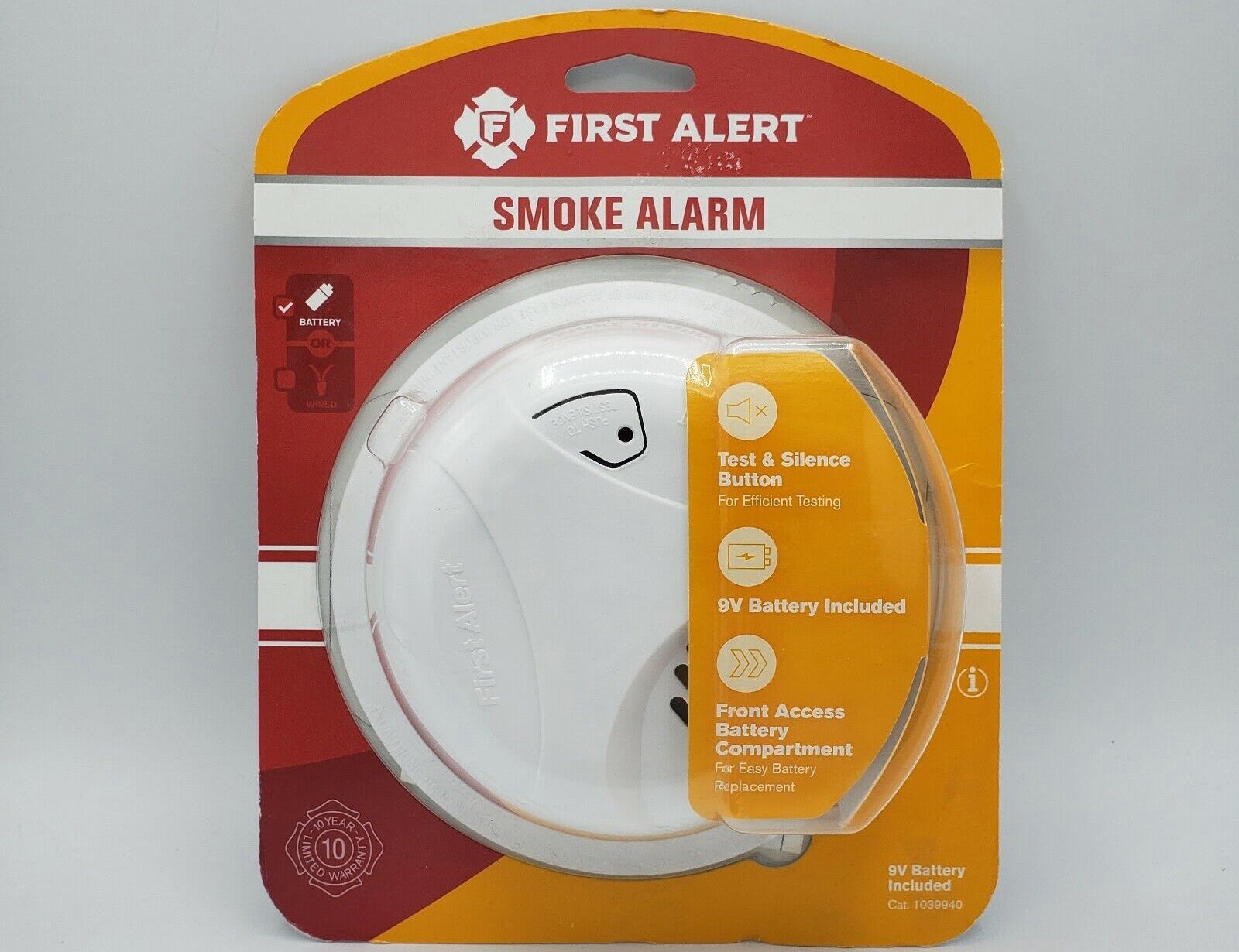
How To Remove A First Alert Smoke Detector | Storables
The Temporary Truce: A Mere Hush
Some more advanced First Alert models come with a hush button. This button, a small, often well-hidden gem, offers a temporary reprieve. Pressing it will silence the alarm for several minutes, giving you time to, say, open a window or fan away the burnt toast smoke without committing to full disconnection. It’s a good feature for false alarms, a brief ceasefire in the battle for quiet. But let's be honest, sometimes you need more than a truce. Sometimes, you need a complete and utter cessation of hostilities.
So there you have it. The secret art of reclaiming your peace and quiet from the tyranny of the smoke alarm. Whether it's the simple battery removal or the slightly more involved hardwired unplugging, the satisfaction of that sudden quiet is truly unmatched. You've answered the call of silence, and your ears, your nerves, and your very soul will thank you. Go on, enjoy the calm. You’ve earned it.