How To Disconnect A House Alarm System
Ever found yourself staring at a house alarm keypad, wondering about the tiny digital brain behind the big, loud noise? Maybe it’s your own alarm doing its dramatic opera at 3 AM. Or perhaps it’s your neighbor’s, serenading the entire street because a leaf blew by. Whatever the reason, there's a certain mischievous curiosity about how to make these electronic watchdogs... well, shush. Let's peel back the layers, not to plot anything nefarious, but just for the sheer fun of understanding!
The Grand Mystery: Why Disconnect?
Okay, let’s be clear. We’re talking about understanding the mechanics, not embarking on a life of thrilling espionage. Most of the time, the desire to "disconnect" comes from innocent places. Maybe you're moving house, and the old system is staying. Perhaps you're upgrading to something super fancy and need to wave goodbye to the old guard. Or, and this is a classic, your pet rabbit has developed a knack for triggering the motion sensor, leading to nightly neighborhood serenades. Who hasn't had an alarm false-alarm at the most inconvenient moment? It’s pure chaos! Understanding how it works can turn that chaos into a moment of "aha!"
Meet the Brain: The Control Panel
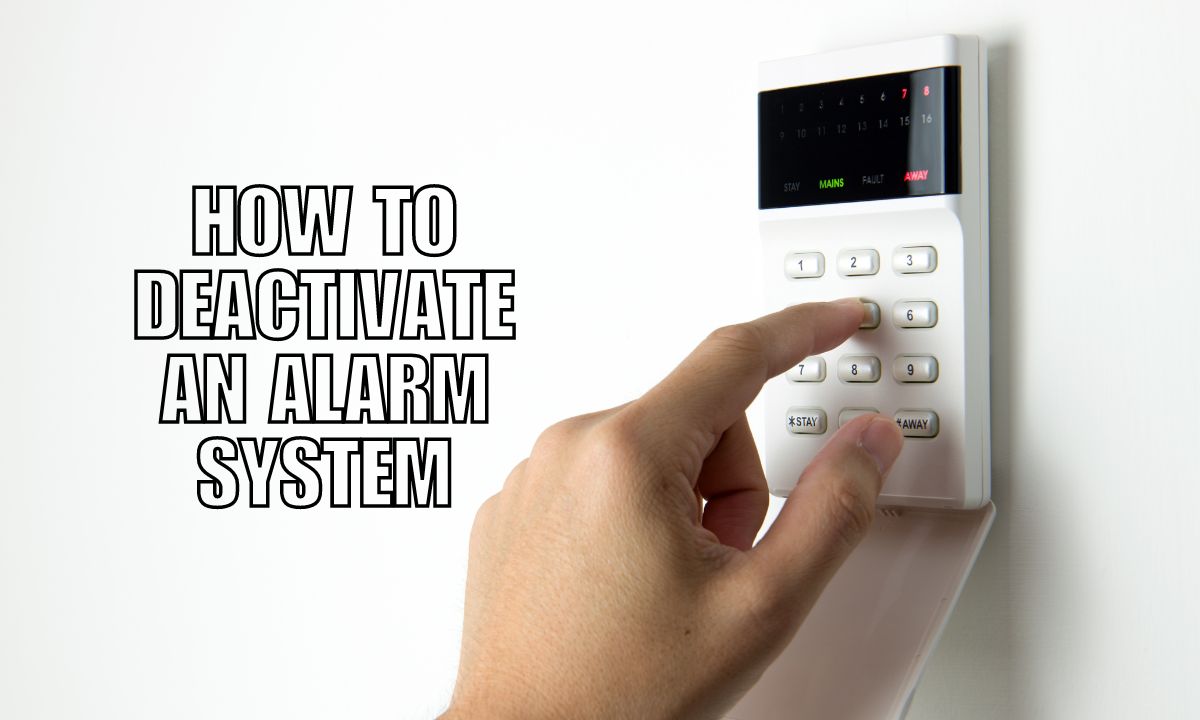
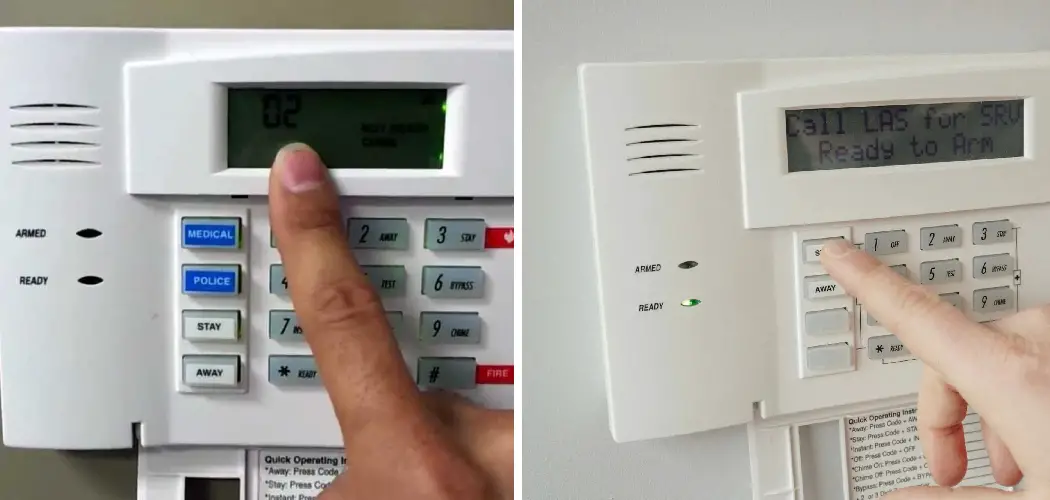
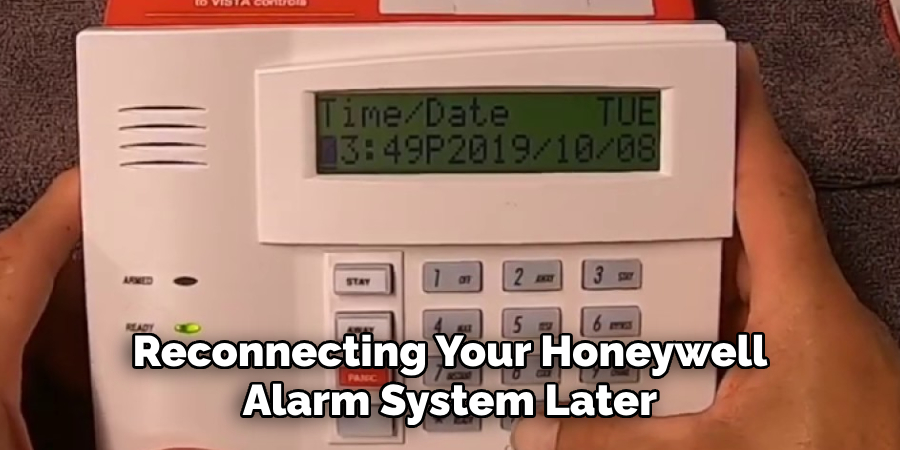
Every alarm system has a central hub, a kind of digital overlord. This is usually that beige or white box with a keypad that looks suspiciously like it belongs in a sci-fi movie. This is the control panel. It's where all the wires meet, where the system makes its big decisions, and where your secret code reigns supreme. Think of it as the heartbeat of the entire operation. To truly silence a system, you'd need to get friendly with this big boss. Often, entering a master code here is the first step in telling the system, "Hey, let's take a break!"
Must Read
The Power Play: AC vs. Battery
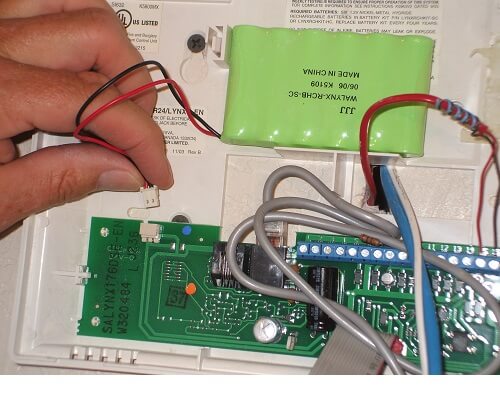
Now, here's a fun fact: most alarm systems are like commitment-phobes. They hate being totally disconnected. They usually run on standard household AC power, plugged into an outlet. But wait, there's a twist! What happens in a power outage? Does the alarm just shrug and say, "Guess I'll die"? Nope! They have a secret weapon: a backup battery. This internal battery kicks in when the AC power goes out. It's like a superhero's emergency power pack. So, to really put an alarm system into a deep, deep sleep, you'd need to consider both power sources. First, unplugging its main power, then locating and disconnecting its internal battery. It’s a two-stage silencing mission, quite dramatic!
The Watchful Eyes and Ears: Sensors!
Alarm systems are basically very paranoid friends with excellent senses. They have sensors everywhere! There are door and window contacts – little magnetic pairs that cry foul when separated. Then there are motion sensors, those little wall-mounted eyes that detect movement. And don't forget the glass break detectors, smoke detectors, and carbon monoxide detectors – a whole orchestra of watchful gadgets. Each one reports back to our friend, the control panel. If you were, theoretically, to make a system inactive, you'd want to ensure all these little tattletales are disarmed or bypassed. Sometimes, just opening a specific door and then disarming can confuse the system enough to think, "Oh, it's just them," and then quiet down.
The Scream Queen: The Siren
Ah, the siren! The part everyone hears, usually at the most inconvenient times. This is the system's vocal cords, its operatic declaration of "Intruder Alert!" Sirens are often placed strategically outside for maximum neighborhood impact, or inside to really give an uninvited guest a fright. You might think, "Just cut the wire!" But often, sirens have their own little backup power, or are wired in such a way that tampering with them triggers a "tamper alert." Sneaky, right? They're designed to be hardy and heard. Making a siren quiet typically involves silencing the entire system from the control panel first. Otherwise, you're just angering the scream queen without truly stopping the show!
The Silent Caller: Communication
Here's where it gets really interesting. Modern alarm systems aren't just loud; they're also chatty. Many communicate with a monitoring station. How? Often via a traditional phone line (remember those?), a cellular connection, or even through your internet connection. So, even if you silence the siren and disconnect power, the system might still be silently texting its friends at the monitoring center, saying, "Help! I'm being tampered with!" Disconnecting these communication channels would be the final, intricate step in truly isolating an alarm system. It's like cutting off all forms of communication for a secret agent!
A Friendly Heads-Up (The Important Bit!)
Now, for the big, bold, all-caps disclaimer! While it's super fun to peek behind the curtain and understand how these systems work, please remember: ALWAYS call a professional if you truly need to disconnect or tamper with a house alarm system. Seriously. They know all the secret handshakes and codes. They can do it safely, correctly, and without accidentally alerting the authorities or setting off a chain reaction of noise that will earn you glares for weeks. This playful dive into alarm systems is for curiosity's sake, not for DIY projects involving pliers and a dramatic escape plan!
So, there you have it! The fascinating, slightly dramatic, and surprisingly intricate world of how house alarm systems can be disconnected. It's not just a simple switch; it's a multi-layered dance of power, sensors, and communication. Understanding it demystifies those flashing lights and piercing sounds, turning a moment of annoyance into a moment of "Oh, I get it now!" Isn't knowledge just the best kind of fun?