
How To Cool Down Attic Space

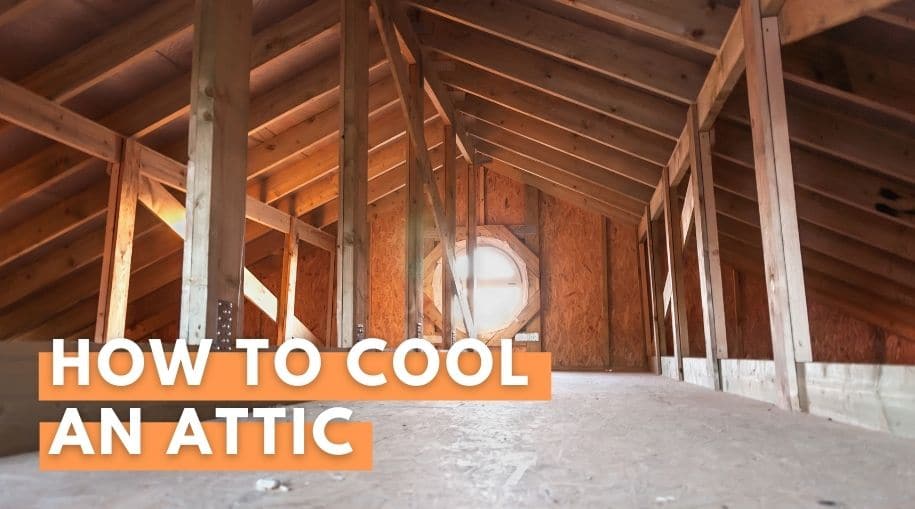
Ever walked into your attic on a scorching summer day and felt like you'd stepped onto the surface of the sun? You know that feeling, right? It's like a giant oven up there, baking everything in its path. But here's a curious thought: what if we could make that attic space feel... well, a little less like a desert and a lot more like a cool, breezy afternoon?
It sounds a bit magical, maybe even impossible, given how much heat the sun throws at our roofs. But believe it or not, cooling down your attic isn't just a pipe dream; it's a super smart move that can make your whole house feel more comfortable, and even save you some pennies on those energy bills. Let's dive into why this often-forgotten space holds so much power over your home's comfort, and how we can coax it into being a little chillier.
Why Bother with the Attic Anyway?
You might be thinking, "It's just an attic! Who cares what temperature it is?" And that's fair! It's usually out of sight, out of mind. But here's the kicker: your attic acts like your home's thermal cap. When it gets super hot up there, that heat doesn't just stay put. Oh no, it starts to radiate downwards, pushing heat into your living spaces below. It’s like having a giant, unseen heat lamp constantly shining on your ceilings.
Must Read
This means your air conditioner has to work extra, extra hard to fight off that invading heat, guzzling electricity all the while. So, by making your attic a happier, cooler place, you're not just being nice to the space itself; you're essentially giving your whole house a big, refreshing sigh of relief. And who doesn't love a good sigh of relief, especially when it comes with lower utility bills?
Let's Get Some Air Moving: Ventilation is Your Friend
Imagine trying to cool down a sealed box. Pretty tough, right? That's what many attics are like without proper ventilation. The first, and often most impactful, step to a cooler attic is to let it breathe. We need to create a pathway for that superheated air to escape, and for cooler outside air to come in and replace it.

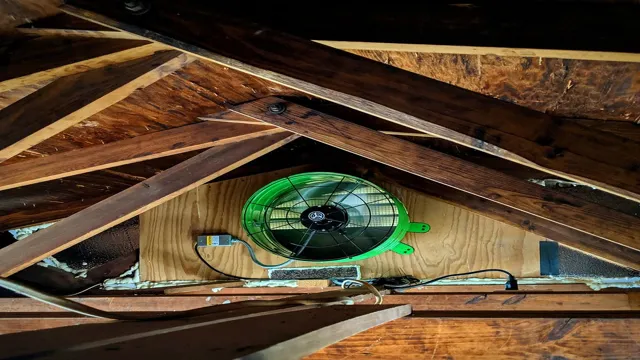
Think of it like this: your attic needs lungs! We typically use a combination of "intake" vents and "exhaust" vents. Intake vents, often called soffit vents, are usually found under the eaves of your roof. They let cooler, fresh air enter the attic. Exhaust vents, which can be anything from ridge vents (a continuous vent along the peak of your roof) to gable vents or even power vents, allow the hot, stale air to rise and escape. It’s a beautiful, natural convection current that acts like a gentle, continuous breeze through your attic space, carrying away all that oppressive heat. Pretty clever, huh?
Insulation: Your Home's Cozy Sweater (or Sun Shield!)
Once you've got the air moving, the next big player is insulation. Now, insulation often gets a bad rap, or people just think of it as something for keeping warm in winter. But guess what? It’s just as crucial for keeping cool in summer!
Think of good insulation as a superhero cape for your ceiling. It creates a powerful barrier, slowing down the transfer of heat from your blazing-hot attic into the conditioned rooms below. The better your insulation, the more effective this barrier becomes. There are different kinds – fluffy fiberglass, dense cellulose, or even spray foam – each working to keep the heat from crossing that line. It’s all about creating a buffer, like the insulated walls of a really good cooler, keeping what's inside cool, even when the outside is scorching.
The Reflective Power of Radiant Barriers
This one might sound a bit sci-fi, but it's super cool (literally!). A radiant barrier is essentially a highly reflective material, often installed on the underside of your roof deck or laid over your attic insulation. What does it do? Instead of absorbing the sun's intense radiant heat, it reflects it away.

Imagine wearing a white shirt on a sunny day versus a black shirt. The white shirt reflects the sun, keeping you cooler. A radiant barrier does the same thing for your attic. It's like wrapping your attic in a giant, shimmering space blanket that bounces that radiant heat right back out. This can significantly reduce the amount of heat that ever even makes it into your attic space to begin with, giving your other cooling efforts a real head start. Pretty neat, right?
Sealing Up the Sneaky Gaps: Air Leaks
Finally, let's talk about those sneaky little cracks and gaps. Even with great ventilation and insulation, if you have unsealed holes, gaps, or poorly sealed access points (like pull-down stairs or electrical penetrations) between your attic and your living space, that hot attic air is going to find its way down. It's like having a bunch of tiny holes in your insulated coffee mug – eventually, your coffee is going to get cold.
Sealing these air leaks with caulk or expanding foam is like putting a lid on your attic, preventing unwanted air exchange. It's a small detail that can make a surprisingly big difference, ensuring that the air you're paying to cool stays exactly where it should be: in your comfortable home.
Putting It All Together for a Chillier Home
Cooling down your attic isn't just about one magical solution; it's usually about a combination of these smart strategies. By ensuring good ventilation, beefing up your insulation, considering a radiant barrier, and sealing those pesky air leaks, you're creating a comprehensive system that works together to keep your attic (and by extension, your entire home) significantly cooler.
So, next time you feel that sweltering heat radiating from above, remember: your attic doesn't have to be a forgotten furnace. With a little curiosity and some clever tweaks, you can transform it into a much more agreeable space, bringing comfort and savings right into your home. Isn't that a cool thought?