How To Compute Watts Per Hour
Ever gazed at your electricity bill and wondered, "What on earth am I actually paying for?" Or maybe you're curious how long your laptop battery really lasts, or which appliance is the biggest energy hog. If so, then understanding how to compute what many affectionately call "watts per hour" – though we'll soon discover the proper term is even cooler – is your ticket to becoming an energy-savvy superhero! It's not just about numbers; it's about empowerment, saving money, and making smarter choices for your home and the planet.
The purpose of this little adventure isn't just academic; it's incredibly practical. By grasping how much energy your devices consume over time, you can pinpoint inefficient gadgets, estimate your electricity costs more accurately, and even make informed decisions when buying new electronics. Think of it as peeking behind the curtain of your power usage – a skill that can put more money in your pocket and reduce your carbon footprint. Pretty neat, right?
Now, let's clear up a common, fun little linguistic quirk. While many people say "watts per hour," what they almost always mean is Watt-hours (Wh). Watts (W) measure power – the rate at which electricity is used or produced at a specific moment, like how fast a car is going (speedometer). Watt-hours (Wh), on the other hand, measure energy consumption over a period of time – like the total distance a car has traveled (odometer). So, when you want to know how much "juice" something uses over an hour, a day, or a month, you're looking for Watt-hours!
Must Read
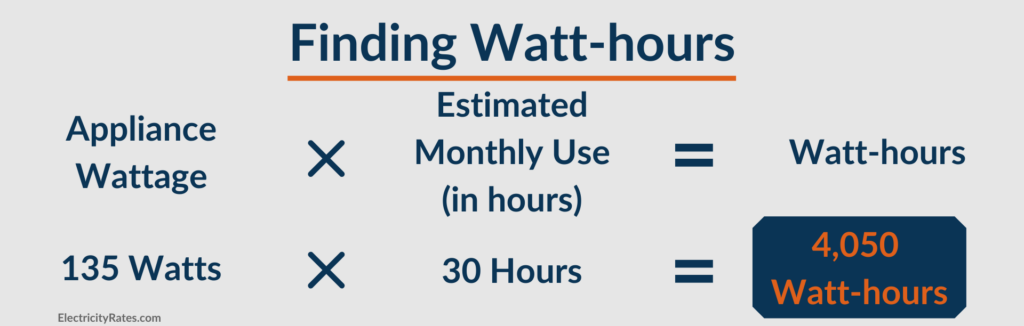
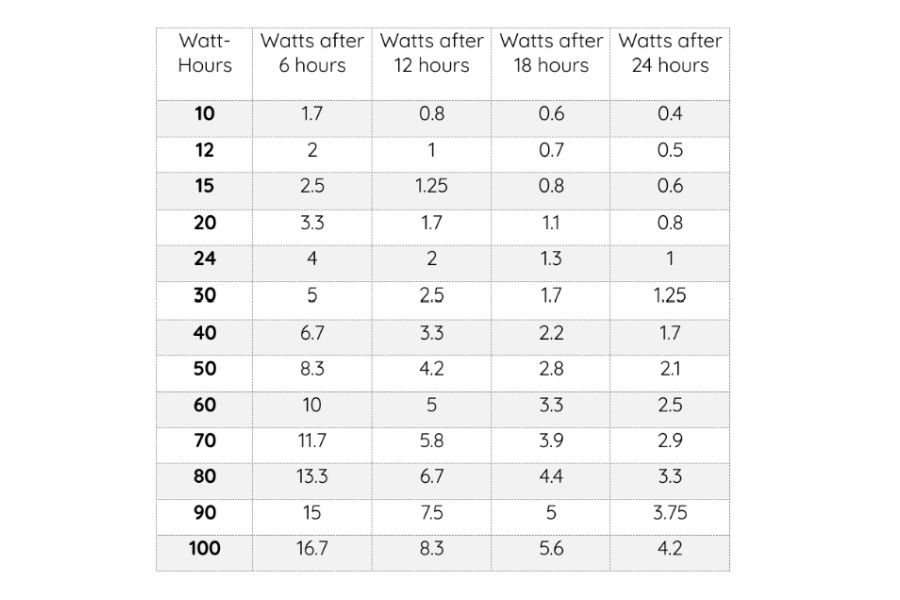
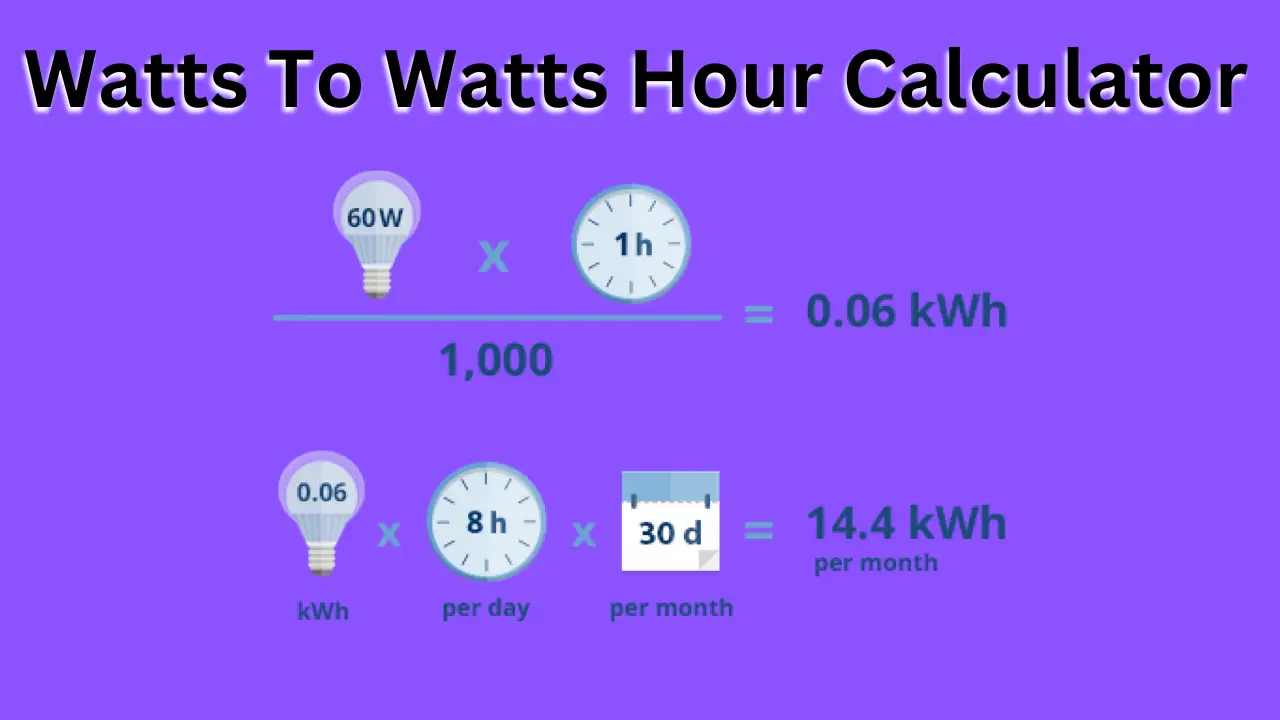
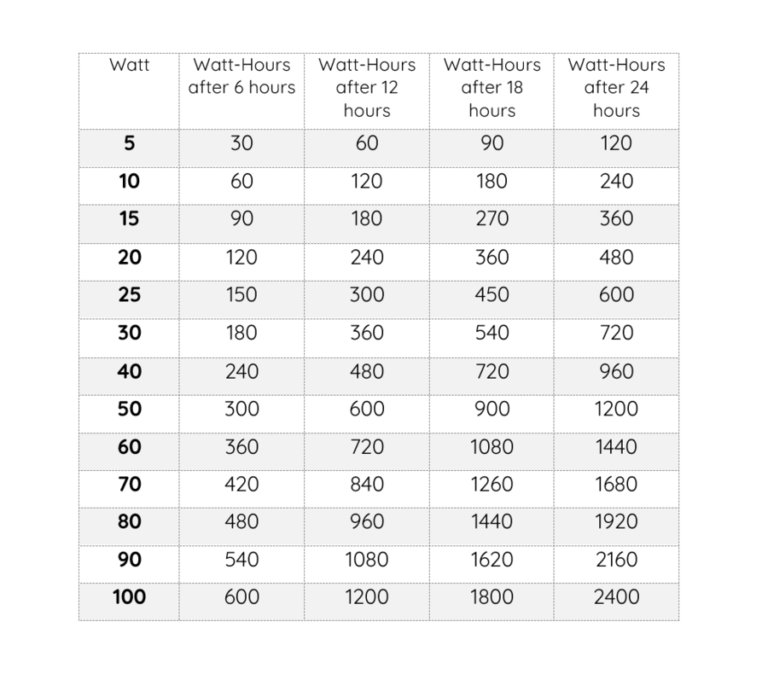
So, how do you calculate this magical number? It’s wonderfully simple! If you already know an appliance's power in Watts (W) – often listed on the device itself or in its manual – you just multiply that by the number of hours it's used. The formula is: Watt-hours (Wh) = Watts (W) × Hours (h).
Let's try an example! Imagine your bright LED light bulb uses 10 Watts (W). If you leave it on for 5 hours (h), its energy consumption would be: 10 W × 5 h = 50 Wh. See? Easy peasy! A 100W TV running for 3 hours would use 300 Wh.
What if your device only lists Volts (V) and Amps (A)? No sweat! You can find the Watts first by multiplying them: Watts (W) = Volts (V) × Amps (A). For instance, if your phone charger draws 0.5 Amps at 5 Volts, it's a 2.5 Watt charger (0.5A × 5V = 2.5W). If you charge your phone for 2 hours, it uses 2.5W × 2h = 5 Wh. Knowing this helps you understand why charging your phone barely registers on your bill, while running an old space heater certainly does!
The benefits of understanding Watt-hours are immense. You can finally decode those mysterious energy labels on appliances, compare the efficiency of different models, and become a pro at estimating how much your favorite gadgets truly cost to run. It's not just about saving a few bucks; it's about gaining control over your energy usage and contributing to a more sustainable future. So go ahead, peek at those labels, do a little math, and unlock the secrets of your energy consumption!