How To Communicate With A Narcissist

Let's be honest, we've all encountered someone who seems a little...self-absorbed. Someone who always has to be right, needs constant admiration, and might leave you feeling drained after a conversation. Dealing with narcissistic tendencies, whether in a colleague, family member, or even a (former!) friend, can feel like navigating a minefield. But fear not! Just like learning a new language, mastering the art of communicating with a narcissist is a skill that, while perhaps not enjoyable, is absolutely essential for preserving your sanity and maintaining some semblance of a relationship.
Why bother learning this complex communication dance? Because sometimes, you can't just walk away. Maybe it's a business partner crucial to your success, or a relative you see at holidays. Knowing how to communicate effectively, or at least strategically, can minimize conflict, protect your emotional well-being, and even help you achieve your goals in the face of their self-centered behavior. Think of it as emotional self-defense training. It's about finding ways to interact that minimize the drama and maximize your personal comfort.
The applications are everywhere. Imagine needing to negotiate a project deadline with a narcissistic boss. Or trying to resolve a disagreement with a partner who always needs to be in control. Maybe it's simply surviving a family gathering where a relative constantly boasts about their accomplishments. Knowing how to handle these situations without triggering a full-blown narcissistic episode is invaluable.
Must Read
So, how do you actually do it? Here are some practical tips to navigate the narcissistic landscape more effectively:
1. Understand the Need for Validation: Narcissists crave admiration. While you shouldn't become their personal cheerleader, offering carefully placed and genuine compliments can go a long way. Focus on their achievements or skills, but avoid empty flattery. Acknowledge their perspective, even if you disagree. Saying something like, "I understand why you feel that way," can diffuse tension.
2. Focus on Their Interests: Conversations with narcissists often revolve around them. To keep things relatively smooth, steer the conversation towards topics they enjoy discussing – usually, themselves. Ask questions about their passions, achievements, or opinions. Be a good listener, even if you're not particularly interested. Remember, this isn't about you.
3. Set Clear Boundaries: This is crucial. Narcissists often push boundaries, expecting special treatment or disregarding your needs. Be firm and assertive in setting limits. Say "no" without lengthy explanations or apologies. Protect your time and energy. If they consistently disregard your boundaries, consider limiting contact.
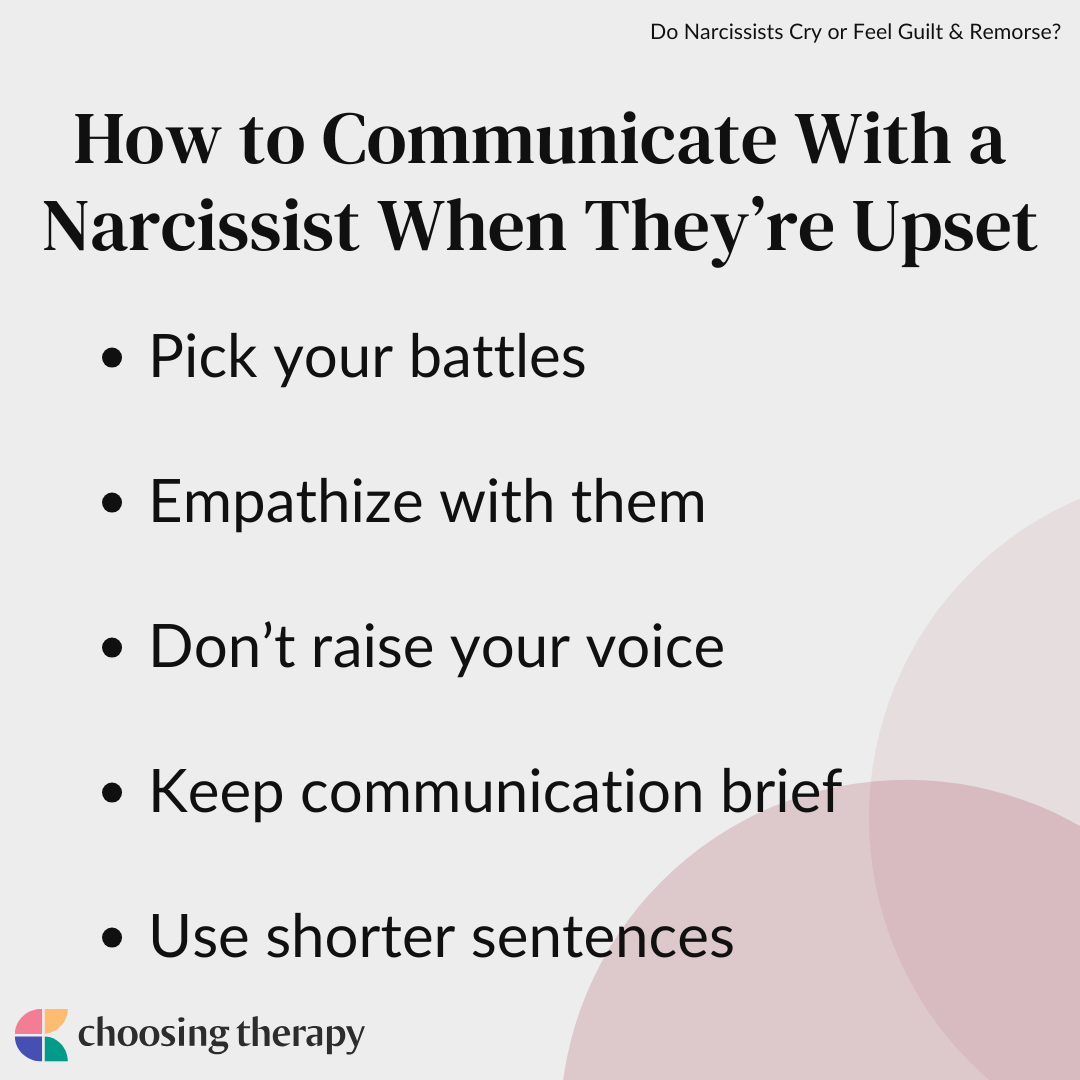
4. Use "I" Statements: Avoid accusatory language like "You always..." or "You never..." Instead, focus on how their actions affect you. For example, instead of saying "You're always interrupting me," try "I feel unheard when I'm interrupted." This approach is less likely to trigger defensiveness.
5. Don't Take It Personally: This is perhaps the hardest, but most important, tip. Narcissistic behavior is often rooted in deep-seated insecurity. Their actions are a reflection of their own issues, not necessarily a judgment of you. Developing this understanding can help you detach emotionally and avoid getting sucked into their drama.
Ultimately, communicating with a narcissist isn't about changing them. It's about protecting yourself and navigating challenging interactions in a way that minimizes stress and allows you to maintain your own sense of self. It's a survival skill, not a relationship goal. Remember to prioritize your own well-being and seek support from trusted friends, family, or a therapist if dealing with a narcissist is taking a toll on your mental health.