How To Clean Ac Drain Line With Vinegar
Let's be honest, cleaning out your AC drain line probably isn't topping anyone's "fun weekend activities" list. But trust me, it's surprisingly satisfying – like unclogging a stubborn drain in your kitchen, but knowing you're preventing potentially bigger (and way more expensive) problems. Plus, we're using vinegar! Who doesn't love a good, natural cleaning solution? It’s a bit of a DIY victory, and that’s always a win in my book.
So, why bother with this AC drain line business? Well, its purpose is simple: to drain away the condensation that builds up as your AC chills your home. But over time, algae, mold, and other gunk can build up inside, causing a blockage. This can lead to water backing up, potentially damaging your walls, ceilings, or even your AC unit itself. Think of it as preventative maintenance – a little effort now can save you a heap of trouble (and money) later.
For beginners, this is a fantastic introduction to home maintenance. It’s a simple task with visible results. For families, keeping the AC drain line clean means preventing potential mold growth, which is especially important if you have young children or family members with allergies. For hobbyists, it’s another way to get hands-on and understand how your home systems work. It’s also a chance to experiment with different cleaning solutions (though we're sticking with vinegar for its simplicity and effectiveness!).
Must Read
The basic method is straightforward. First, locate the AC drain line. It’s usually a PVC pipe sticking out of the wall near your outdoor AC unit, or sometimes near your indoor unit (like in the attic or a utility closet). You might even have a clean-out access point located along the drain line. Always turn off your AC unit before you start.

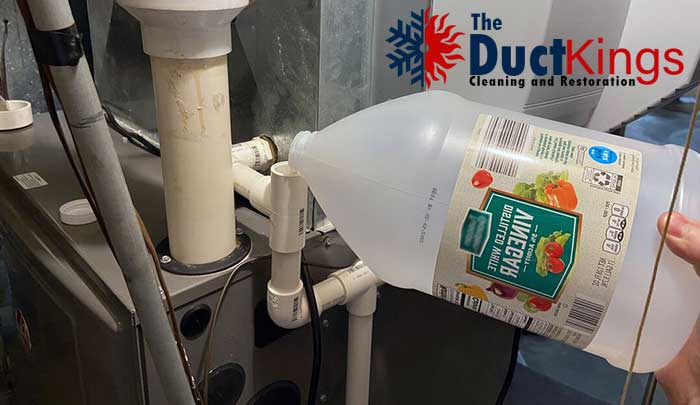
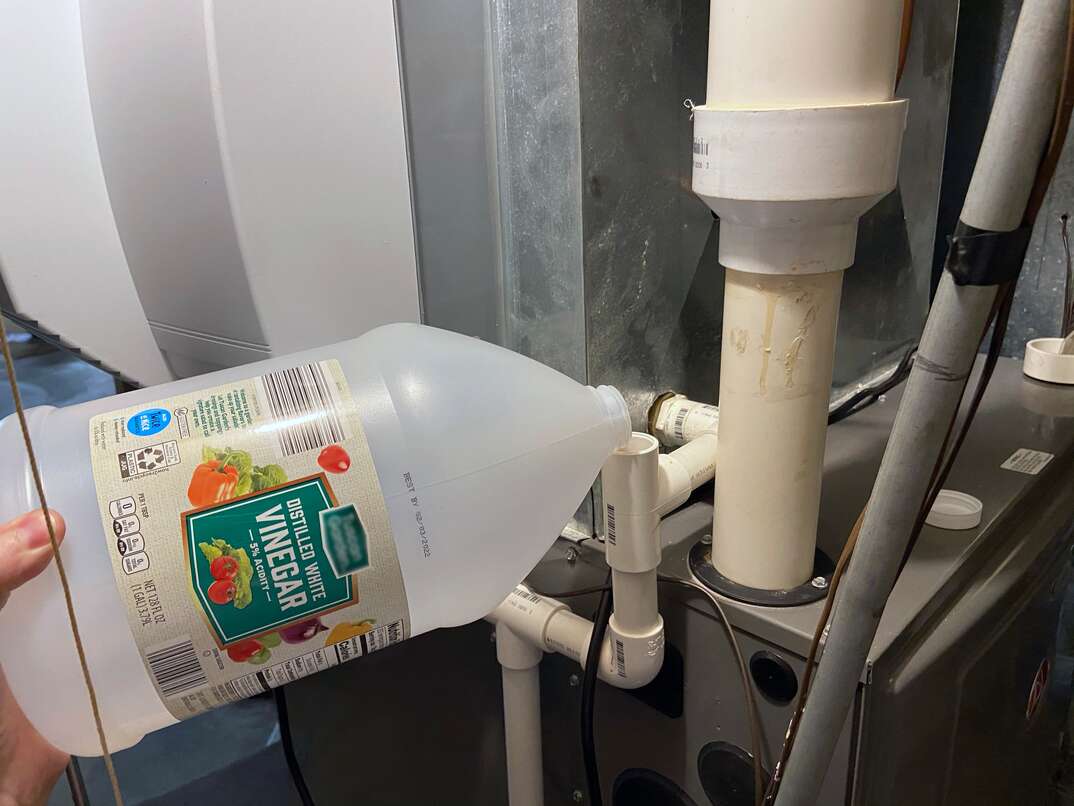
Next, grab a funnel and a bottle of white vinegar. Slowly pour about a cup of vinegar into the drain line. The vinegar will help to break down the gunk and debris. Let it sit for at least 30 minutes, or even better, a few hours. For particularly stubborn blockages, you can let it sit overnight. After the soaking period, flush the drain line with water to remove any remaining debris. You can use a wet/dry vacuum to suck out any remaining water and debris if you have one available; this can be particularly helpful if you don't have a clean-out.
Here are a few simple, practical tips to get you started: Wear gloves! While vinegar is a mild cleaner, it's always a good idea to protect your skin. If you're not sure where your drain line is located, check your AC unit's manual or search online for your specific model. Schedule this task for a sunny day, so if any water spills, it will dry quickly. And finally, repeat this cleaning process every few months, especially during peak AC usage seasons, to prevent future blockages.
You can also add a small amount of bleach to the vinegar solution, but be extremely careful to avoid mixing bleach with ammonia or other cleaning products, as this can create dangerous fumes. Some people prefer to use specialized AC drain line cleaners, which can be found at most hardware stores. These cleaners are typically more potent than vinegar, but they may also contain harsh chemicals.
Cleaning your AC drain line with vinegar is a simple, effective, and eco-friendly way to keep your AC running smoothly and prevent costly repairs. So, grab that bottle of vinegar and get started! You might be surprised at how much you enjoy this little bit of DIY home maintenance, knowing you're saving yourself time, money, and potential headaches down the road. It's a small effort that yields big rewards, and that’s something to feel good about.