
How To Check For A Carbon Monoxide Leak
Ever woken up feeling like you went ten rounds with a pillow fighter, even though you just slept for eight hours? Or perhaps you've felt a headache creep in that no amount of coffee, or even a direct IV drip of espresso, could tackle?
Before you blame that questionable burrito from last night or a sudden allergy to Mondays, let's chat about a sneaky little villain: carbon monoxide. Think of it as the ninja of gases – colorless, odorless, tasteless, and utterly ruthless.
It's called the "silent killer" for a reason, but being informed doesn't mean living in a bubble of paranoia. It just means being smart and knowing how to spot this invisible jerk before it can do any real damage.
Must Read
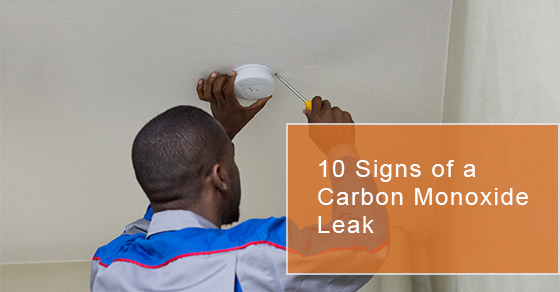
Your First Line of Defense: The CO Detector
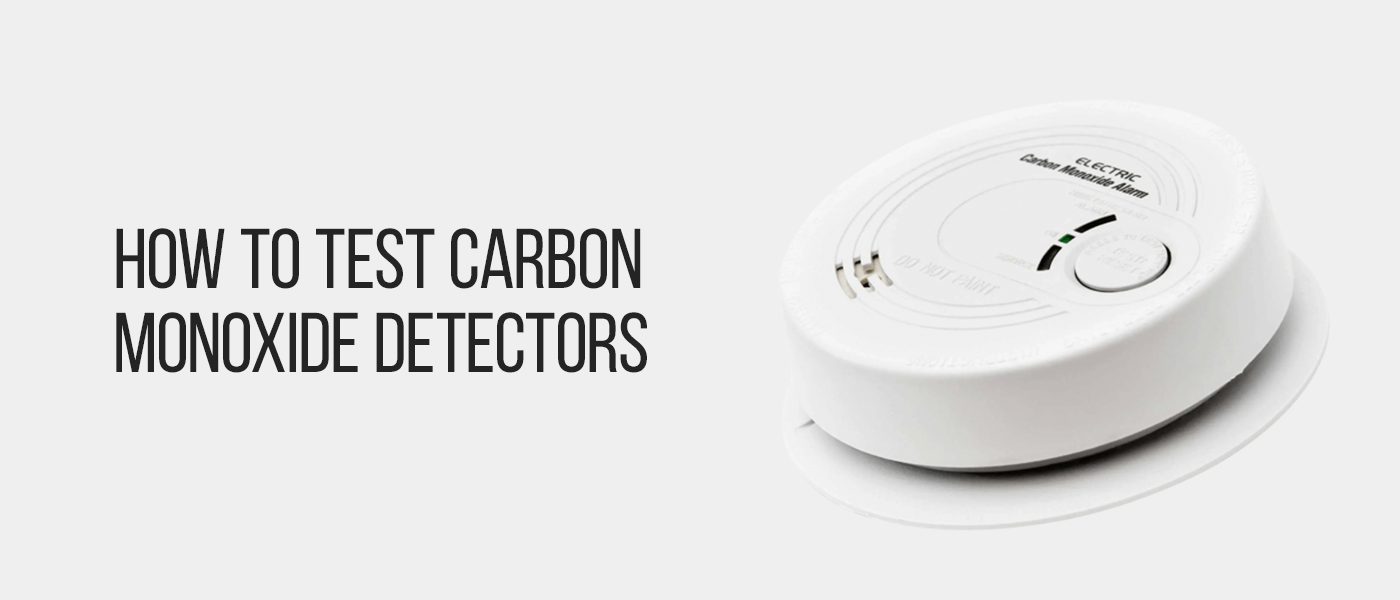
Your trusty sidekick in this battle is the carbon monoxide detector. This isn't just a fancy smoke alarm; it's its cooler, more introverted cousin that sniffs out an invisible threat. You know how your smoke alarm loves to screech about burnt toast? Well, a CO detector is generally less dramatic, until it really needs to be.
Just like you occasionally give your car a once-over or finally clean out that mysterious gunk from the fridge, you gotta test your CO detectors. Press that 'test' button once a month. It’s a small chirp that might just save your bacon.
And if it starts chirping intermittently, like a tired cricket with a message, that’s usually its polite way of saying, 'Hey, I need new batteries, stat!' Don't ignore it, or it'll haunt your dreams like a persistent low-battery alarm at 3 AM.
What Your Body Might Be Telling You: The Sneaky Symptoms
But what if your detector hasn't quite caught on yet, or maybe you haven't installed one? (Spoiler: you totally should!) How do you know if you're battling the CO ghost or just having a really, really off day?

Here are the villain's calling cards, often disguised as 'just life's little annoyances':
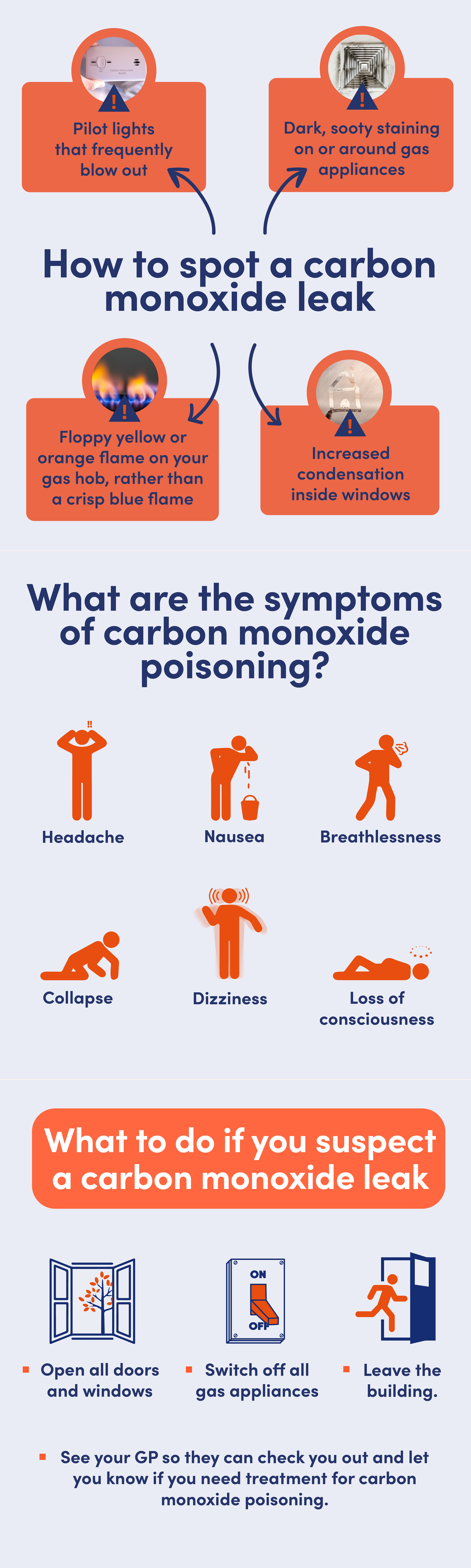
Headaches: Not your run-of-the-mill 'forgot to drink water' headache. This is more like a tiny, gassy roommate doing jumping jacks in your skull. It often feels like a persistent throbbing, dull ache.
Dizziness and Nausea: Ever feel like you’ve just gotten off a particularly enthusiastic carousel, but you’re just sitting on your couch? Or a queasy feeling like you tried to eat a whole pizza after spinning in circles for five minutes? That's the vibe.
Fatigue and Confusion: Suddenly, even simple tasks feel like climbing Mount Everest. You might feel unreasonably tired, lethargic, or find yourself forgetting why you walked into a room... more than usual, that is.

Shortness of Breath: Feeling like you’ve run a marathon just by walking to the fridge? Or like someone’s sitting on your chest? Yep, that’s a red flag.
The really tricky part? These symptoms often start mild and can mimic the flu, a bad hangover, or just general exhaustion. But here’s the kicker: if you feel better when you step outside into fresh air, and then worse when you come back in, that's your body screaming, 'Houston, we have a problem!'
Checking Your Appliances: The Usual Suspects
Okay, so you've got your detectors, you know the symptoms, now let's talk about the usual suspects in your home. Think of them as the potential 'lair' of our invisible ninja gas.
Anything that burns fuel indoors can be a source: furnaces, water heaters, gas stoves, fireplaces, even those snazzy gas clothes dryers. It's like having a tiny, controlled fire in your house, which is cool, until it's not.
Flame Color: Take a peek at the pilot light or burners on your gas appliances. They should ideally be a nice, crisp blue flame. If you see a lazy, flickering yellow or orange flame, that’s like a 'danger, Will Robinson!' signal. It means incomplete combustion, which is CO's favorite party trick.
Soot or Stains: Notice any strange soot stains around your furnace, fireplace, or water heater? Or yellow/brownish staining on appliance casings? That's not just a sign you need to dust; it could be exhaust fumes not venting properly. Think of it as the gas leaving little dirty footprints.
No Pilot Light, or a Persistent Smell: Sometimes a pilot light just goes out, no biggie. But if it keeps going out, or you smell gas, that’s a call to a professional, not a DIY project for your inner MacGyver.
When in Doubt: What to Do Immediately
Alright, worst-case scenario: your detector is blaring like a fire truck in a parade, or you and your family are feeling super wonky and suspect CO. What do you do?
Get out, immediately! Don't try to play hero, don't grab your phone charger, just exit the building. Think 'fire drill,' but for an invisible threat.
Call for help. Once you're safely outside, call 911 (or your local emergency number) and tell them you suspect a carbon monoxide leak. They'll send the pros with the fancy equipment.
Don't re-enter. Seriously, wait for the all-clear from the emergency services.
Being prepared doesn't mean living in a bubble of paranoia. It just means being smart. Install those CO detectors. Get your fuel-burning appliances inspected annually by a qualified technician. Think of it as their yearly check-up, just like you might drag yourself to the dentist.
So, next time you're feeling a bit off, don't just shrug it off as 'one of those days.' Tune into your body, listen to your detectors, and be the superhero of your own home. Stay safe, stay breezy, and keep that invisible ninja gas at bay!