How To Charge A Lithium Iron Phosphate Battery

Lithium Iron Phosphate (LiFePO4) batteries – say that five times fast! – are quietly revolutionizing the way we power our lives. From powering tiny robots to enabling off-grid living, these batteries are becoming increasingly popular for their robust performance and long lifespan. But how do you actually charge one of these marvels? Don't worry, it's easier than you think!
For artists, hobbyists, and anyone who loves to tinker, LiFePO4 batteries offer a fantastic power source. Imagine powering your portable sculpting station at a remote beach, running a string of enchanting fairy lights for an outdoor art installation, or even powering a miniature, self-sustaining ecosystem inside a terrarium. The possibilities are endless. The benefits are compelling: reliable power, long runtimes, and a reduced environmental impact compared to traditional lead-acid batteries. Think of it as leveling up your creative toolkit!
Consider Sarah, a mixed-media artist who uses LiFePO4 batteries to power her interactive light installations. She's able to create dynamic, responsive art pieces that react to their environment, all thanks to the reliable and clean energy source. Or perhaps consider Tom, a model train enthusiast who uses LiFePO4 batteries to power his elaborate railway system, allowing him to run multiple trains simultaneously without worrying about voltage drops. These are just two examples of how these batteries are empowering creative projects of all kinds. You could even use one to power a small projector for displaying art onto buildings in the dark! The only limit is your imagination.
Must Read
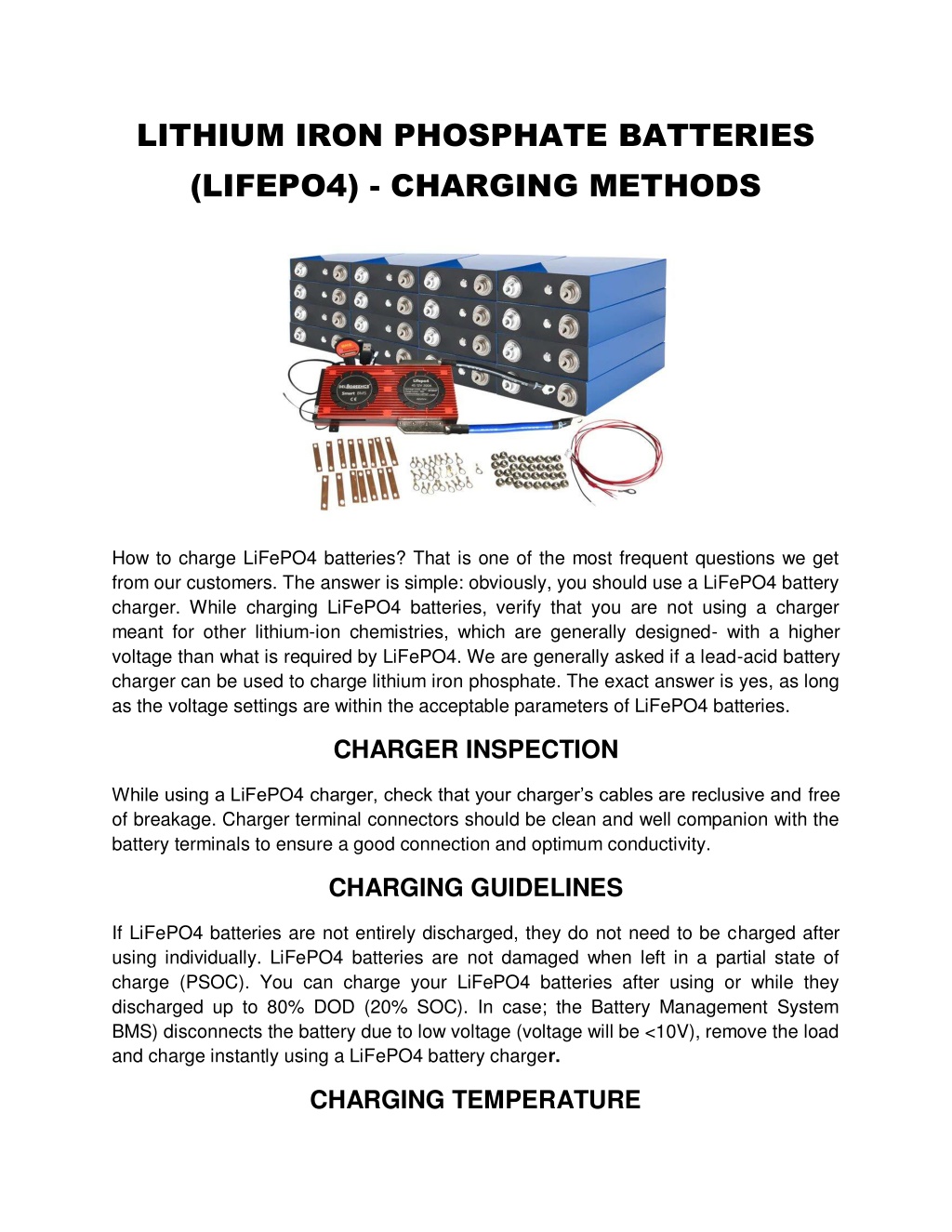
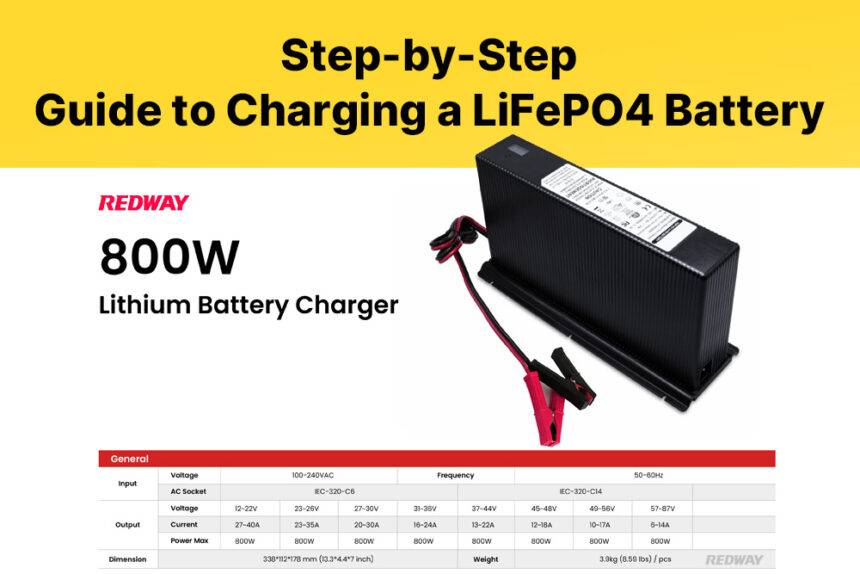
So, how do you charge one of these powerhouses? Here's a simplified guide to get you started:
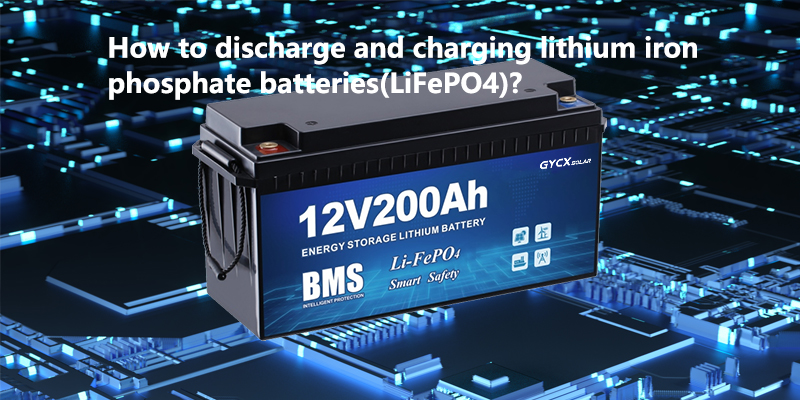
- Understand your battery's specifications: Check the voltage and charging current recommendations printed on the battery or in its datasheet. This is crucial! Overcharging or undercharging can damage the battery.
- Use a LiFePO4-compatible charger: Regular lead-acid battery chargers won't work properly and could even be dangerous. Look for a charger specifically designed for LiFePO4 batteries.
- Connect correctly: Always double-check the polarity (+ and -) before connecting the charger to the battery. Connecting them backward can cause serious damage.
- Monitor the charging process: Most LiFePO4 chargers have indicator lights that show the charging status. Avoid leaving the battery unattended for extended periods, especially during the initial charging cycle.
- Don't overcharge: LiFePO4 batteries don't like to be fully charged to 100%. It's often better to stop charging around 90-95% for optimal lifespan. Many chargers will automatically stop charging at the correct voltage.
Trying it at home is easier than you might think. Start with a small, single-cell LiFePO4 battery and a compatible charger. Experiment with powering a simple LED light or a small fan. Once you're comfortable with the process, you can explore more complex projects.
Ultimately, working with LiFePO4 batteries is enjoyable because it empowers you to be self-sufficient and creative. There's a certain satisfaction that comes from understanding how to harness energy and use it to bring your ideas to life. So, dive in, experiment, and discover the power of LiFePO4 batteries for yourself! You might just surprise yourself with what you can create.