How To Calculate Cash Flow To Stockholders
Have you ever felt like your finances are a swirling vortex of numbers, impossible to decipher? Don't worry, you're not alone! While complex financial jargon might seem daunting, understanding the basics can empower you, even if you're not a seasoned investor. One particularly useful concept is Cash Flow to Stockholders (CFS). It sounds intimidating, but think of it as the financial equivalent of knowing exactly how much glitter is left in your art supply box after a particularly sparkly project – it's about tracking the real cash coming back to the owners (the stockholders) of a company.
Why should artists, hobbyists, or casual learners care about something like CFS? Well, even if you're not trading stocks daily, understanding this concept can provide valuable insight into the financial health of companies you admire, whose products you use, or even whose art you consume! It gives you a peek behind the curtain, allowing you to appreciate their financial stability and potentially identify hidden gems.
For example, let's say you're a graphic designer and you're deciding which software to invest in. Company A's software is flashy but expensive, while Company B's is more affordable and reliable. Checking the CFS of both companies could reveal that Company A, despite its impressive features, isn't generating much cash flow back to its investors, potentially signaling future financial struggles. Company B, on the other hand, might have a healthy CFS, indicating a more stable and sustainable business, making their software a wiser long-term investment for your creative endeavors.
Must Read
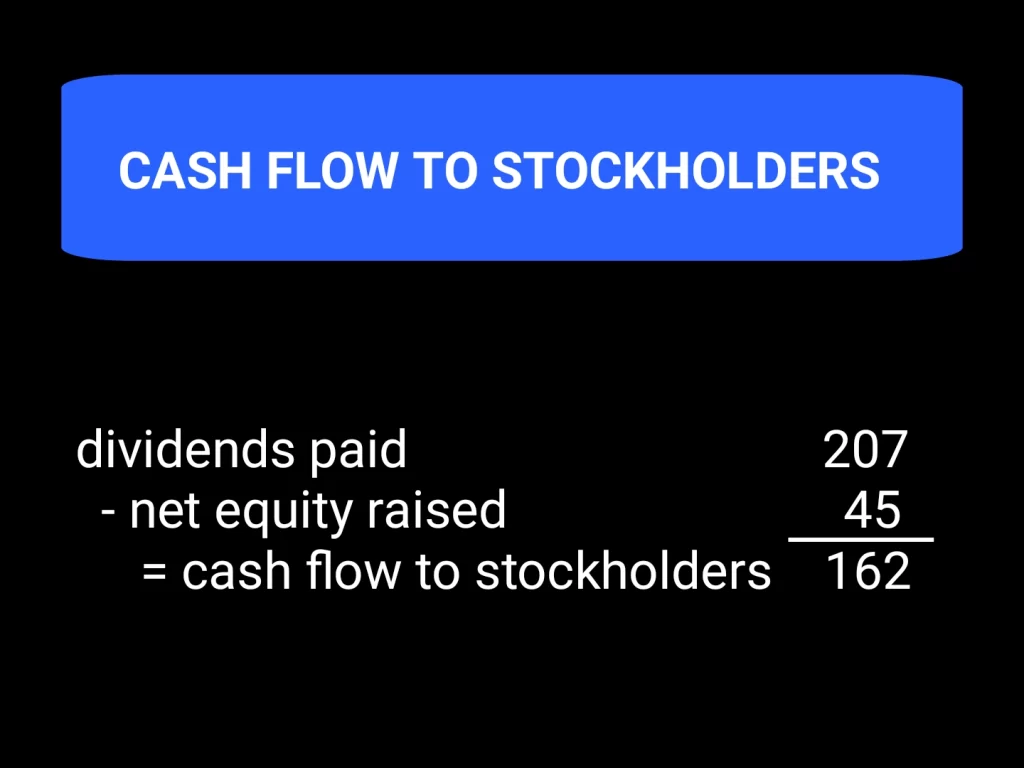
So, how do you calculate this mystical CFS? The most common and straightforward method is: CFS = Net Income + Depreciation - Capital Expenditures - Change in Net Working Capital + Dividends Paid. Let's break it down:
- Net Income: The company's profit after all expenses are paid.
- Depreciation: A non-cash expense reflecting the wear and tear of assets. We add it back because it doesn't represent an actual outflow of cash.
- Capital Expenditures (CapEx): Investments in long-term assets like buildings and equipment. These are cash outflows.
- Change in Net Working Capital: The difference between a company's current assets (like inventory) and current liabilities (like accounts payable). An increase represents a cash outflow, while a decrease represents a cash inflow.
- Dividends Paid: Cash distributed directly to shareholders.
Think of it this way: start with how much the company earned (Net Income), then adjust for non-cash expenses and investments. This gives you a clearer picture of the cash available to be returned to the stockholders.

Tips for Trying it at Home: Don't be afraid to look up simplified financial statements online. Many publicly traded companies provide this information freely. Start with a company you're familiar with – maybe your favorite coffee shop chain or the maker of your go-to drawing tablet. Use online calculators or spreadsheets to help with the calculations. The goal isn't to become a financial wizard overnight, but to gain a basic understanding of how cash flows within a business.
Ultimately, understanding Cash Flow to Stockholders is like learning a new language – it opens up a world of understanding and empowers you to make more informed decisions. And who knows, maybe it will even inspire your next creative project! The most important thing is to have fun and embrace the learning process. After all, even the most complex concepts can be broken down into manageable and enjoyable pieces.