How To Buy A Generator For House
Ever been plunged into sudden darkness, scrambling for candles, or watching your fridge mournfully defrost during a power outage? It's not just inconvenient; it can be downright stressful! But imagine this: the lights flicker, the power goes out, and with a confident smile, you know your home will be humming again in moments. That, my friends, is the empowering magic of owning a home generator, and learning how to choose the right one is like picking your own superpower against the grid going down!
The purpose of a home generator is simple yet profound: to keep your life running smoothly when the unexpected happens. The benefits? Oh, they're vast! Beyond just keeping the lights on, a generator means your refrigerator stays cold, your essential medical equipment remains powered, your Wi-Fi keeps you connected (hello, Netflix!), and your heating or cooling system can maintain comfort. It’s about maintaining safety, preserving food, avoiding work disruptions, and most importantly, enjoying uninterrupted peace of mind.
So, ready to become a power outage pro? Let's dive into buying your perfect generator. First up: Powering Your Priorities. What do you absolutely, positively need to keep running? Grab a pen and paper! Is it just the fridge, a few lights, and a phone charger? Or are we talking AC, the oven, and every gadget under the sun? This crucial step helps determine the generator's wattage, which is its power output. Don't go too small; it's a common rookie mistake!
Must Read
Next, consider the type of generator. You'll mainly look at two:
- Portable Generators: These are often more affordable and flexible. You wheel them out, start them up (sometimes with a pull cord, sometimes electric start), and plug in extension cords to power specific appliances. They're great for essential items and occasional use, but require manual setup during an outage.
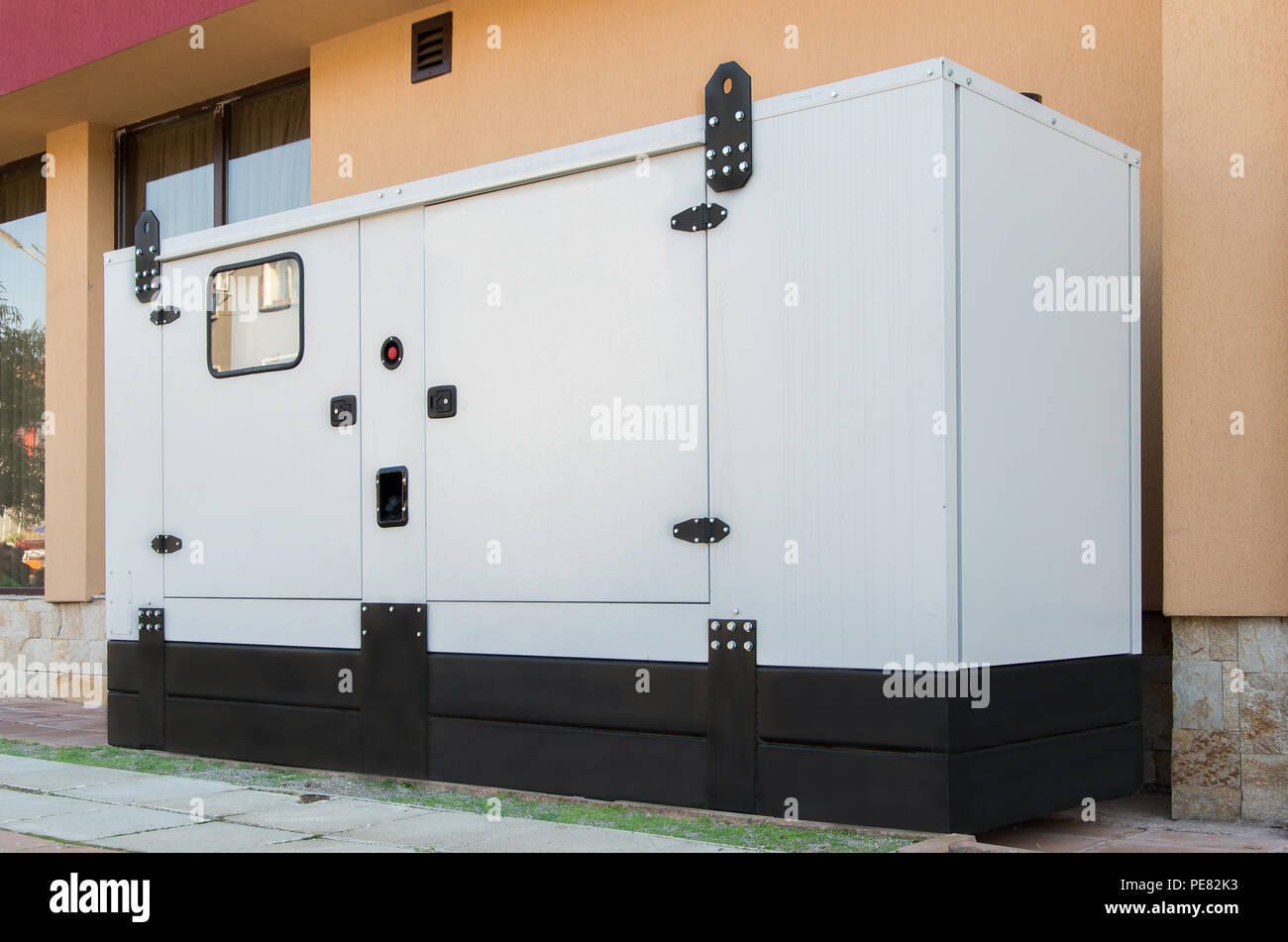
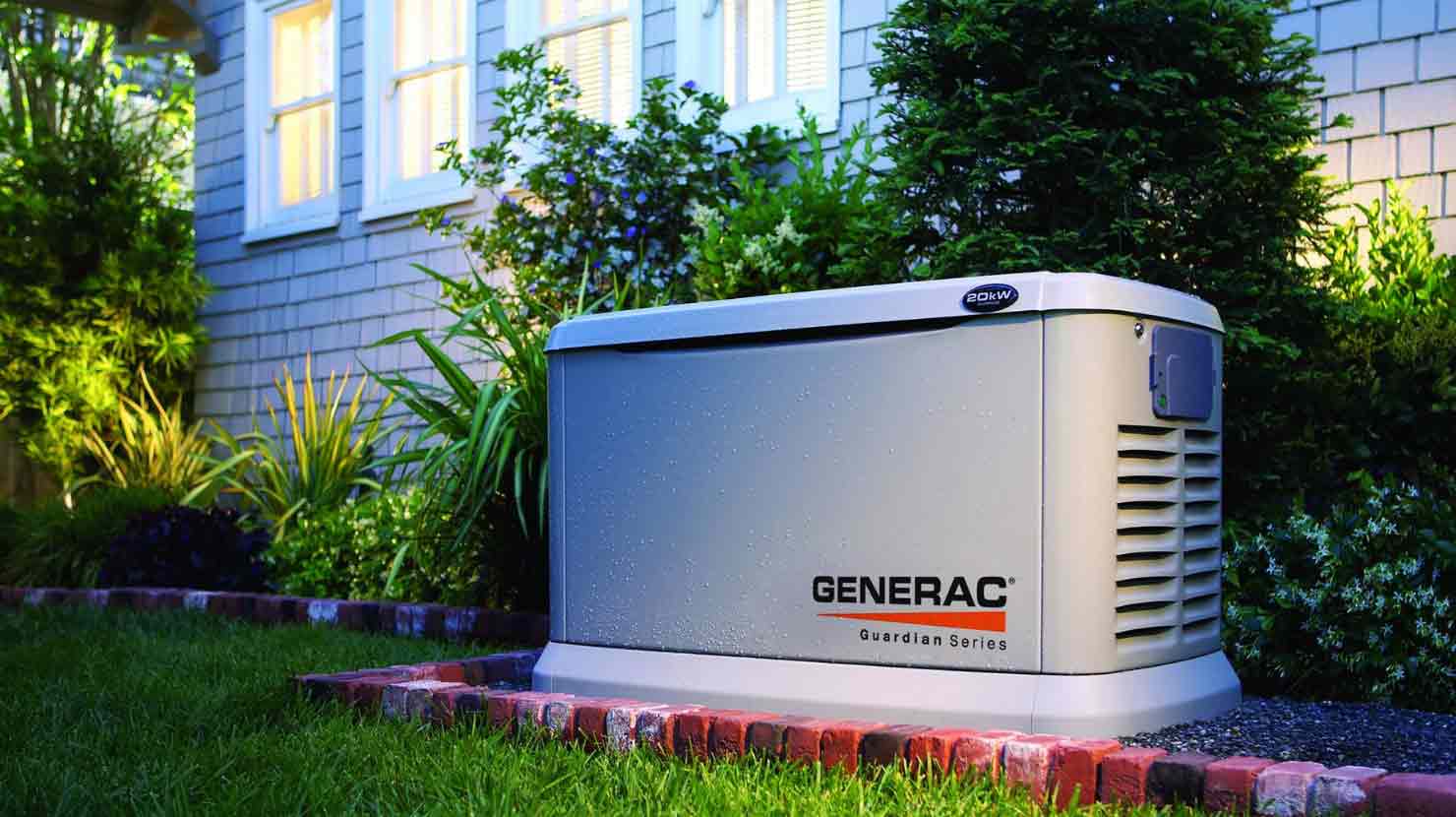
- Standby Generators: These are permanently installed outside your home, much like an AC unit. They’re connected directly to your electrical system and, here’s the cool part, they automatically detect a power outage and turn themselves on, often powering your entire home. They're a bigger investment but offer ultimate convenience and whole-house power.
Then comes fuel type. Common options include gasoline (readily available but has a short shelf life), propane (cleaner-burning, longer shelf life, but requires tanks), and natural gas (unlimited supply if you're connected to a line, but fixed in place). Each has its pros and cons in terms of cost, storage, and convenience.
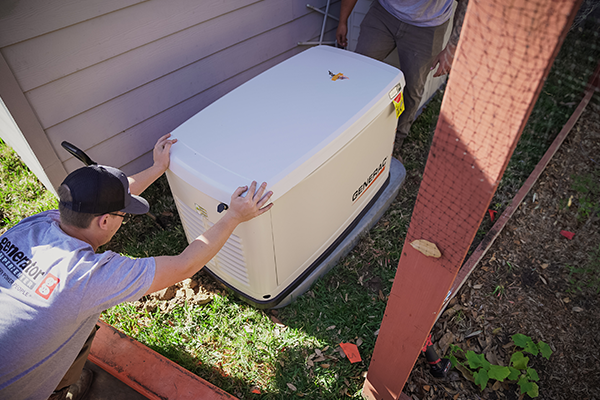
Finally, think about features and safety. Look for an electric start (a button press is much easier than pulling a cord!), and if you're leaning towards a portable unit, consider a transfer switch. This critical safety device ensures your generator isn't feeding power back into the utility grid, which can be incredibly dangerous for utility workers. Carbon monoxide (CO) sensors are also a must-have safety feature. Remember, generators must always be operated outdoors in a well-ventilated area.
Buying a generator isn't just a purchase; it's an investment in your comfort, safety, and peace of mind. By considering your power needs, generator type, fuel, and essential features, you’ll confidently choose the perfect power backup for your home. So, go forth, research, and get ready to be the hero of the next blackout!