
How To Build A Off Grid House

Okay, picture this: It’s a dark and stormy night. Not just any storm, but the kind that makes your lights flicker with a dramatic flair before plunging you into absolute darkness. You fumble for your phone, which, naturally, is at 3% battery. Your fridge starts its slow, mournful decline into a lukewarm coffin for your groceries. And there you are, huddled under a blanket, wondering if humanity ever truly escaped the Stone Age. That, my friends, was my "aha!" moment. Or maybe it was just an "oh crap, I need a better plan than this" moment.
That little slice of grid-dependent chaos sparked a bigger question: What if I didn't need any of it? What if I could just… unplug? And that, dear reader, is the beautiful, sometimes frustrating, but always empowering journey of building an
Why Even Bother with This Madness?
Good question! Because honestly, it sounds like a lot of work. And it is. But think about it: no more utility bills giving you a monthly heart attack. The sweet, sweet satisfaction of knowing your lights are on because you captured the sun's energy, not because some enormous corporation is sending you a hefty invoice. It's about freedom, sustainability, and let's be real, a healthy dose of smug self-sufficiency when your neighbor's power goes out and yours doesn't. It’s like being a superhero, but with more compost.
Must Read
Plus, it forces you to reconnect with how everything actually works. Where does your water come from? Where does it go? How much energy do you actually need? It’s a fascinating, deeply rewarding school of hard knocks, if you ask me.
The Grand Plan Starts Small: Location, Location, Location
Before you even think about solar panels or composting toilets, you need land. And not just any land. You need land that makes sense for off-grid living. Think about things like sun exposure (critical for solar!), access to water (a well? a spring? rainwater catchment potential?), and local regulations. Some places are super chill about alternative living, others... not so much. Do your homework, folks, unless you want to spend years battling bureaucracy.

You’ll want to research zoning laws, building codes, and any restrictions on things like waste disposal. This isn't just about sticking it to the man; it's about being a responsible, legal landowner. Once you've got your spot, the real fun (and head-scratching) begins.
Power Play: Your Own Energy Empire
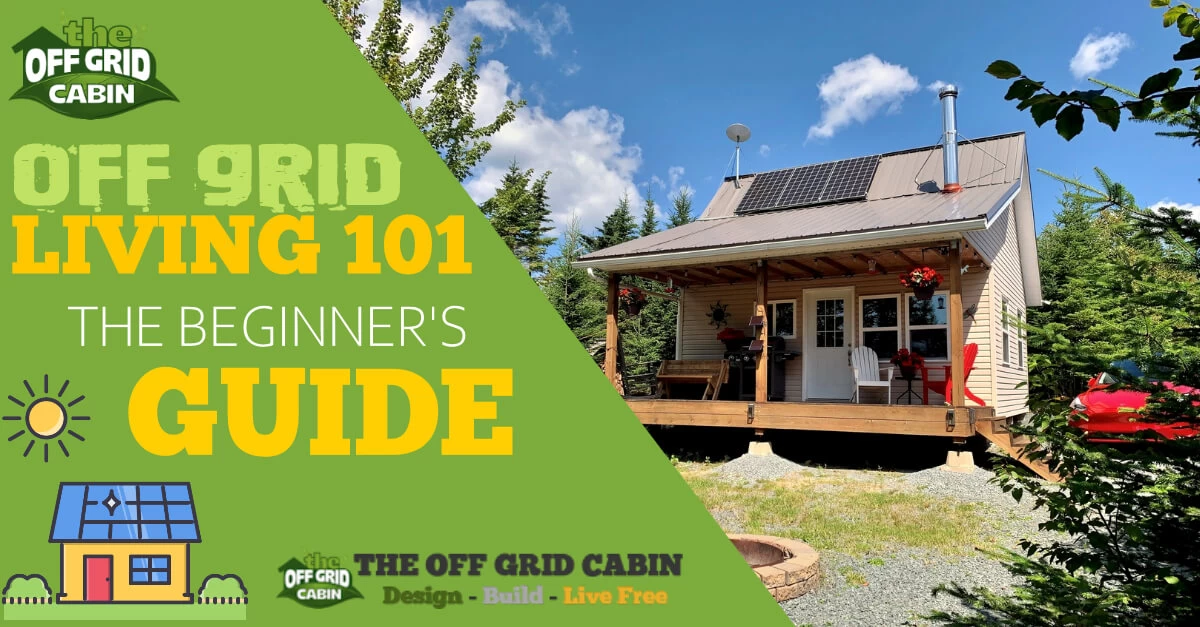
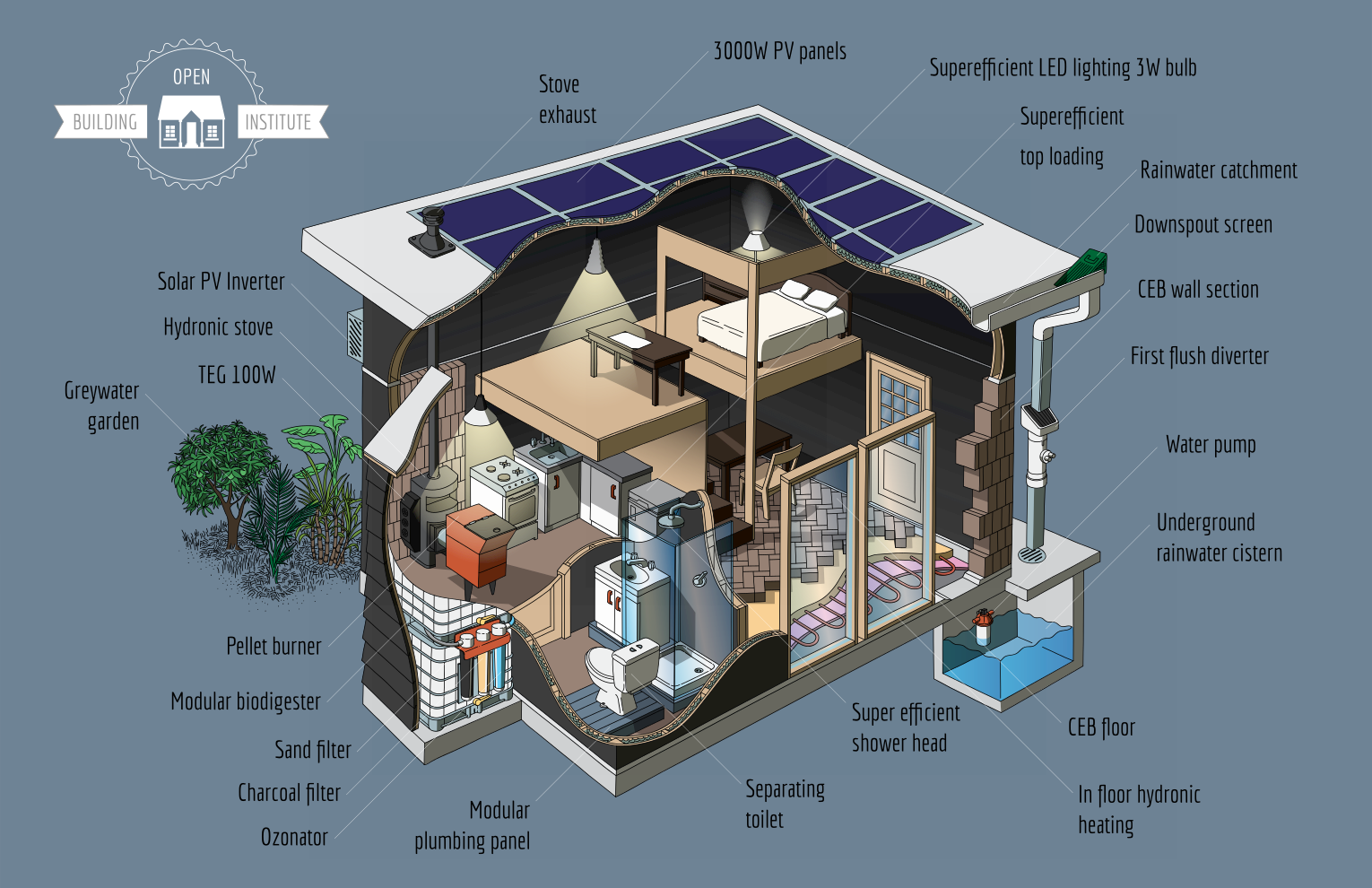
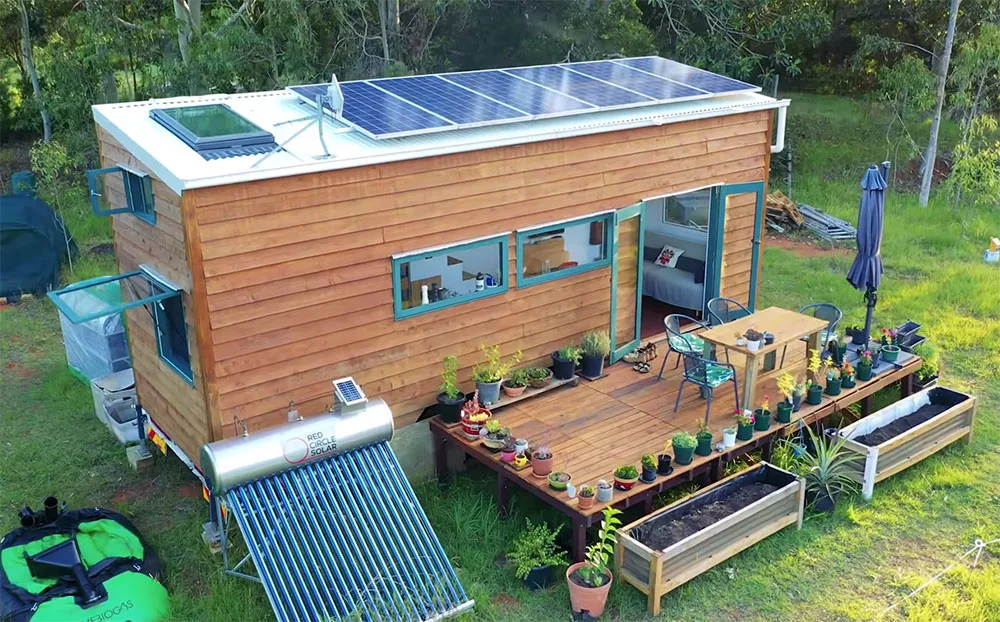
This is probably the sexiest part of going off-grid: generating your own juice. For most people, this means solar panels. They've become incredibly efficient and accessible. You'll need panels, batteries (to store that sweet sunlight for cloudy days and nights), an inverter (to change DC power to AC for your regular appliances), and a charge controller. It sounds complicated, and it can be, but there are tons of resources and even pre-packaged kits to get you started.
Wind turbines or micro-hydro (if you have a stream) are other options, but solar is often the simplest entry point. Just imagine: firing up your laptop, powered entirely by a giant star 93 million miles away. Mind-blowing, right?
Water, Water Everywhere (Hopefully!)
Next up: water. We all need it. Off-grid, your options usually boil down to drilling a well, rainwater harvesting, or a combination of both. Wells are fantastic if you hit a good aquifer, but they can be expensive to drill. Rainwater harvesting is more accessible. You'll need a large collection surface (your roof!), gutters, storage tanks, and a filtration system to make it potable. Don't forget a pump to get that water into your house! No one wants to haul buckets for their morning coffee.
And then there's greywater! That's the water from your sinks and shower. With a proper system, you can often reuse it for irrigation, saving your precious drinking water for... well, drinking.
Waste Not, Want Not (Literally)
This is where things get a little... earthy. We're talking about human waste. The gold standard for off-grid living is often a composting toilet. No flush, no septic tank needed, just a bit of sawdust and a surprisingly odorless system that turns your contributions into nutrient-rich compost. (Yes, really! Though maybe don't put it on your veggie patch straight away.)
For solid waste, you'll need a plan for your trash. Recycling, reducing, and reusing become even more important when you don't have weekly curbside pickup. Think resourcefully!
Keeping Comfy: Heat & Chill
Forget central air and forced-air heating for a minute. Off-grid comfort is about smart design. Think about passive solar design (orienting your house to maximize winter sun and minimize summer sun), heavy insulation, and strategic window placement for cross-ventilation. A wood stove is a classic choice for heating, providing both warmth and a cozy ambiance. Just make sure you've got a sustainable source of firewood.
In hot climates, earth sheltering (building into a hillside) or even just a well-ventilated, shaded design can make a huge difference. Your house should work with nature, not against it.
The Nitty-Gritty and the "Uh-Oh" Moments
Let's be real: it's not all sunshine and self-sufficiency. There will be permits, unexpected costs, moments where you question every life choice you’ve ever made, and lots of learning. You’ll become a part-time plumber, electrician, carpenter, and weather forecaster. Systems need maintenance, batteries need monitoring, and sometimes, the sun just doesn't shine enough.
But here’s the thing: every challenge you overcome makes the reward that much sweeter. The first time you take a hot shower powered by your own solar, or drink water from your own well, or snuggle up by a fire fueled by your own wood, you’ll feel an unparalleled sense of accomplishment. It's truly transformative.
The Payoff: Your Own Slice of Freedom
Building an off-grid house isn't just about the structure; it's about building a lifestyle. It’s about being mindful, resourceful, and deeply connected to your environment. It’s about resilience and knowing that you can weather whatever storms (literal or metaphorical) come your way. You'll gain a profound understanding of where your resources come from, and how to use them wisely. And trust me, that feeling of independence? Absolutely priceless.