
How To Apologize To A Customer For Long Wait Time

Okay, let’s be honest. We’ve all been there. Staring at the clock, stomach rumbling, feeling that slow burn of impatience. Whether it's waiting for your latte, your doctor's appointment, or that crucial customer service rep, waiting is a drag.
And on the flip side? Imagine you’re the one making someone else wait. Not fun, right? Especially when that “someone else” is a paying customer. Learning to apologize effectively for a long wait time isn't just good manners; it's good business.
Why Bother? The Ripple Effect of a Sincere Apology
Think of it this way: a grumpy customer is like a tiny pebble thrown into a pond. The ripples spread. They might leave a bad review online (ouch!), tell their friends about their awful experience (double ouch!), or, worst of all, take their business elsewhere (triple ouch!).
Must Read
A sincere apology, on the other hand, is like adding a drop of calming essential oil to that same pond. It smooths things over, eases tension, and can even turn a negative experience into a positive one. Seriously! People remember how you made them feel, not just how long they waited.
Bottom line: A good apology saves relationships, reputations, and revenue.

The Anatomy of a Winning Apology: Your Action Plan
So, how do you craft the perfect "Sorry you had to wait" message? Here's a simple, effective formula:
- Acknowledge the Wait: Don’t beat around the bush. Directly address the fact that they had to wait a while. Use phrases like: "I'm so sorry for the wait..." or "Thank you for your patience, I know you've been waiting..."
- Express Sincere Regret: This is key! It can’t sound robotic or forced. Inject some genuine empathy into your voice (or your written words). Say something like, "I understand your time is valuable, and I truly regret keeping you waiting." Think about how you'd feel in their shoes.
- Explain (Briefly) Why the Wait Happened: Transparency is crucial, but keep it concise. Avoid making excuses. Instead, offer a brief explanation. For example: "We're experiencing higher than usual call volume today," or "We had a small hiccup in the kitchen that caused a delay." Notice the emphasis on "brief." Nobody wants a long, drawn-out story.
- Offer a Solution or Resolution: What can you do to make things better right now? Maybe it's a discount, a free appetizer, expedited service, or simply going the extra mile to meet their needs. For example: "To compensate for the wait, I'd like to offer you 10% off your order today," or "I'm personally going to make sure your order is prepared as quickly as possible."
- Reiterate Your Apology: End on a positive note by reiterating your apology and thanking them for their patience and understanding. "Again, I sincerely apologize for the wait and thank you for your understanding."
Examples in Action: From Coffee Shops to Call Centers
Let’s put this into practice. Imagine you're a barista at a busy coffee shop:
Instead of: "Next!" (Without acknowledging the line)

Try: "Hi there! Thanks so much for your patience. I'm so sorry for the wait; we're a little slammed this morning. What can I get for you?" (Bonus points for a genuine smile!)
Or, if you're a customer service representative:
Instead of: "I'm sorry, all our agents are currently busy." (Without further explanation)
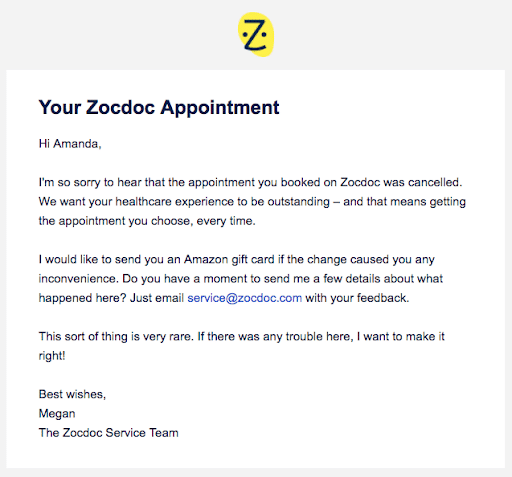
Try: "Thank you for holding. I'm really sorry for the wait; we're experiencing a higher than usual call volume. I'm going to do my best to assist you as quickly as possible. What can I help you with today?"
See the difference? It’s all about acknowledging the inconvenience, expressing genuine regret, and offering a solution.
The Power of Non-Verbal Cues: Actions Speak Louder Than Words
Don't forget the importance of non-verbal communication. Eye contact, a warm smile, and a sincere tone of voice can amplify the impact of your apology. If you're communicating in writing, use clear and concise language and avoid sounding defensive.

Pro Tip: Even a small gesture, like offering a complimentary glass of water or a magazine while they wait, can go a long way in showing that you value their time.
It's About More Than Just Saying Sorry: It's About Being Sorry
Ultimately, the most effective apology comes from a place of genuine empathy. Put yourself in the customer's shoes and truly understand how frustrating it is to wait. When you apologize with sincerity and a desire to make things right, you’re not just reciting words; you’re building trust and fostering long-term customer loyalty. And that, my friends, is priceless.
So, go forth and apologize with grace, empathy, and a sprinkle of genuine human connection. Your customers (and your bottom line) will thank you for it!