
How To Analyze Data Net Resources
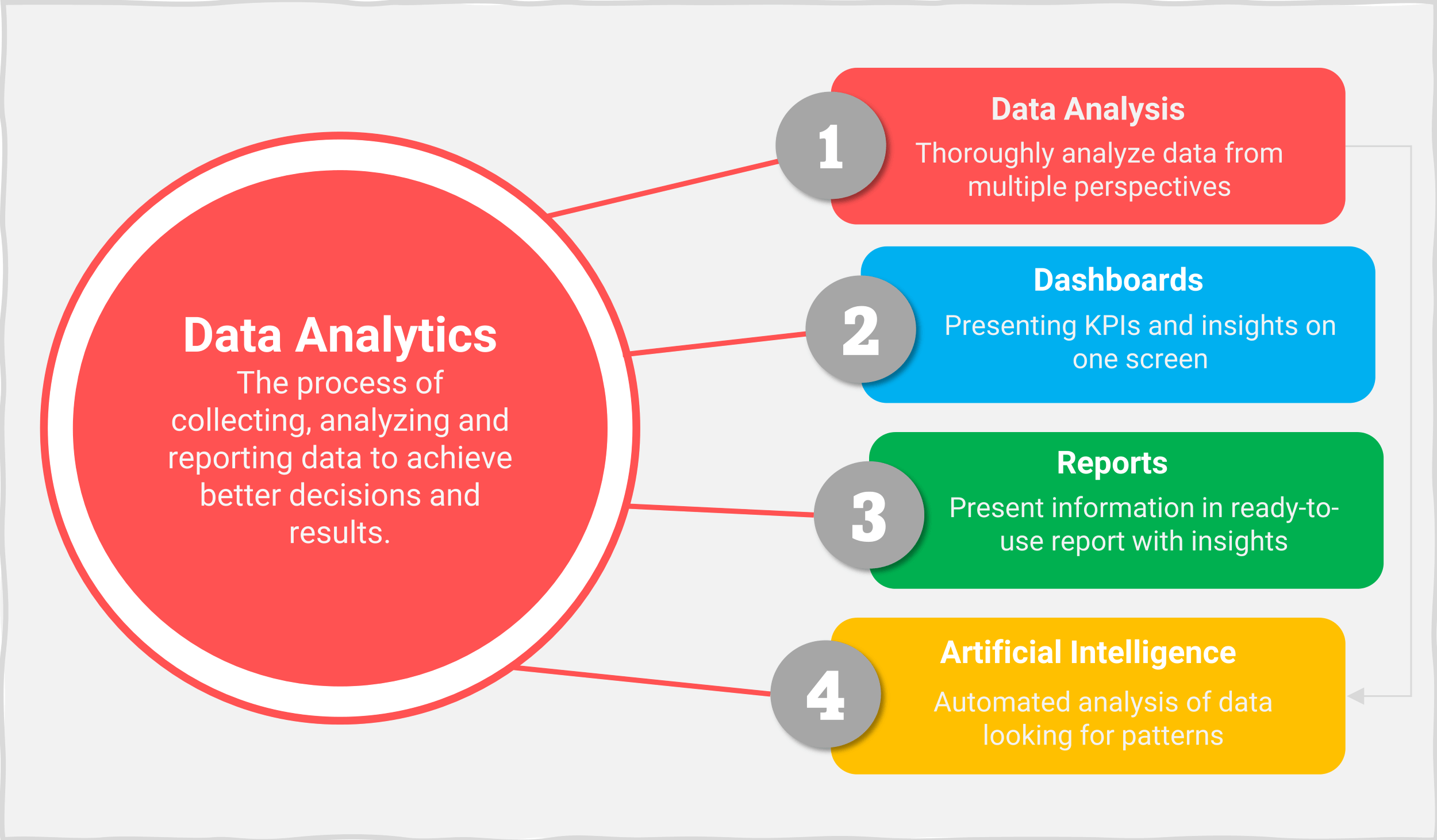
Hey there, data enthusiast! Ever feel like the internet is a giant ocean of information, and you're just bobbing around in a tiny boat, trying to figure out which way is shore? Yeah, me too. But fear not! Today, we're diving into the world of analyzing data net resources – basically, figuring out how to sift through all that online info and find the gold. Think of me as your friendly neighborhood data diving instructor. Ready to get your feet wet?
First things first: What are "Data Net Resources" Anyway?
Good question! It’s a fancy way of saying "stuff online that gives you data." This includes websites, APIs (Application Programming Interfaces – don't worry, it's just a way for computers to talk to each other), online databases, spreadsheets people share (sometimes accidentally!), and even social media. Basically, if it exists on the internet and holds data, it's fair game. Think of it like this: the internet is a giant buffet, and data net resources are the different dishes you can choose from. (Mmm, data buffet...)
Step 1: Define Your Quest (What Are You Even Looking For?)
Okay, before you start randomly clicking around the internet like a caffeinated squirrel, it's crucial to know what you're actually trying to find. Are you researching the best dog breeds for apartment living? Trying to predict the next viral TikTok trend? Or maybe something slightly more serious?
Must Read
Write it down! Seriously. A clear question or hypothesis is your North Star. Without it, you'll just end up drowning in cat videos (tempting, I know, but stay focused!).
Step 2: Find Your Treasure (Source Identification and Selection)
Now comes the fun part: hunting for data! This is where those search engine skills come into play. Google is your best friend (sorry, Bing). Use keywords related to your question. Be specific! Instead of "dog breeds," try "dog breeds apartment friendly low shedding." You get the idea.
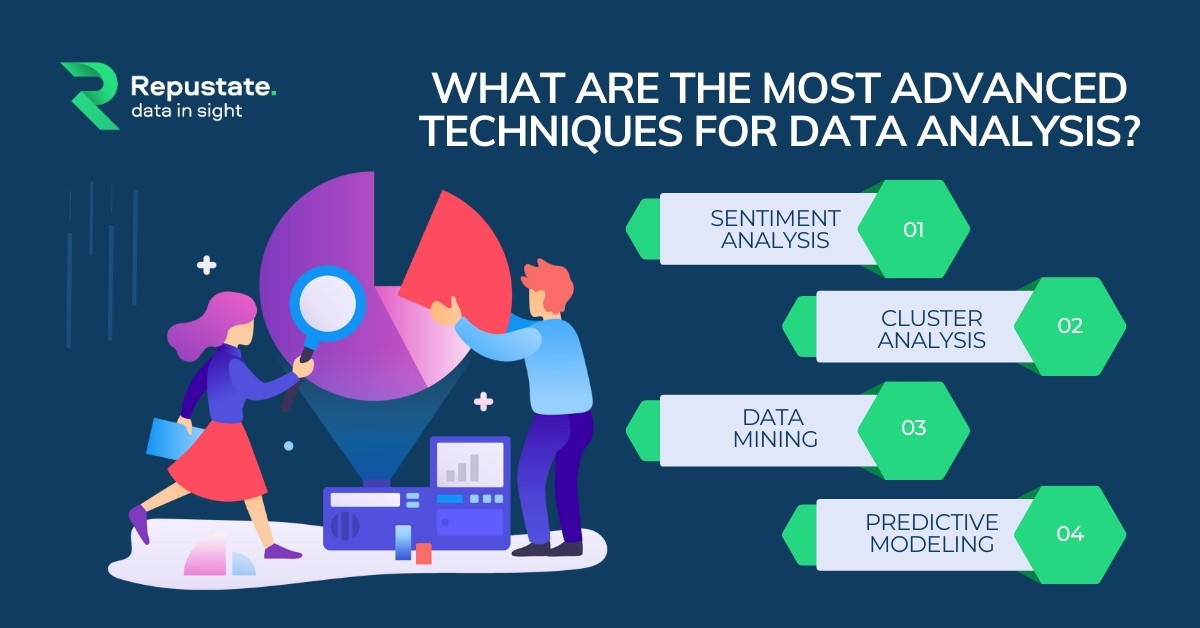
Also, consider these types of resources:
- Government websites: Often goldmines of free, publicly available data.
- Academic databases: Think research papers and studies.
- Industry-specific websites: Need info on the latest widget trends? These are your places.
- APIs: For the slightly more adventurous. These let you directly pull data into your own programs. Don't be intimidated – there are tons of tutorials out there!
Pro Tip: Always check the source's credibility. Is it reputable? Is the data recent? Does it cite its sources? You wouldn't trust a random stranger on the street to give you medical advice, would you? (Okay, maybe if they're wearing a lab coat... just kidding! ... mostly.)

Step 3: Wrangling Your Data (Extraction and Cleaning)
So, you've found some promising data! Awesome! Now, let's get it into a usable format. This often involves:
- Copy-pasting: The classic, but can be tedious.
- Downloading: If the data is available in a file (CSV, Excel, etc.), download it!
- Web scraping: For the tech-savvy. This involves writing code to automatically extract data from websites. (Don't worry if this sounds scary, there are plenty of tools that can help!)
Once you have your data, it's time for cleaning. This means fixing errors, removing duplicates, and handling missing values. Think of it as giving your data a spa day. Trust me, it will thank you later.
![A Step-by-Step Guide to the Data Analysis Process [2022]](https://dpbnri2zg3lc2.cloudfront.net/en/wp-content/uploads/old-blog-uploads/the-data-analysis-process-1.jpg)
Step 4: Making Sense of the Mess (Analysis and Visualization)
Finally, the moment you've been waiting for! Time to actually analyze the data. This could involve:
- Calculating averages, medians, and other statistics.
- Creating charts and graphs. (A picture is worth a thousand data points, right?)
- Looking for patterns and trends.
Tools like Excel, Google Sheets, and more advanced statistical software (like R or Python) can be your best friends here. Don't be afraid to experiment! Play around with different charts and analyses until you find something that tells a story. Sometimes, the most interesting insights come from unexpected places.
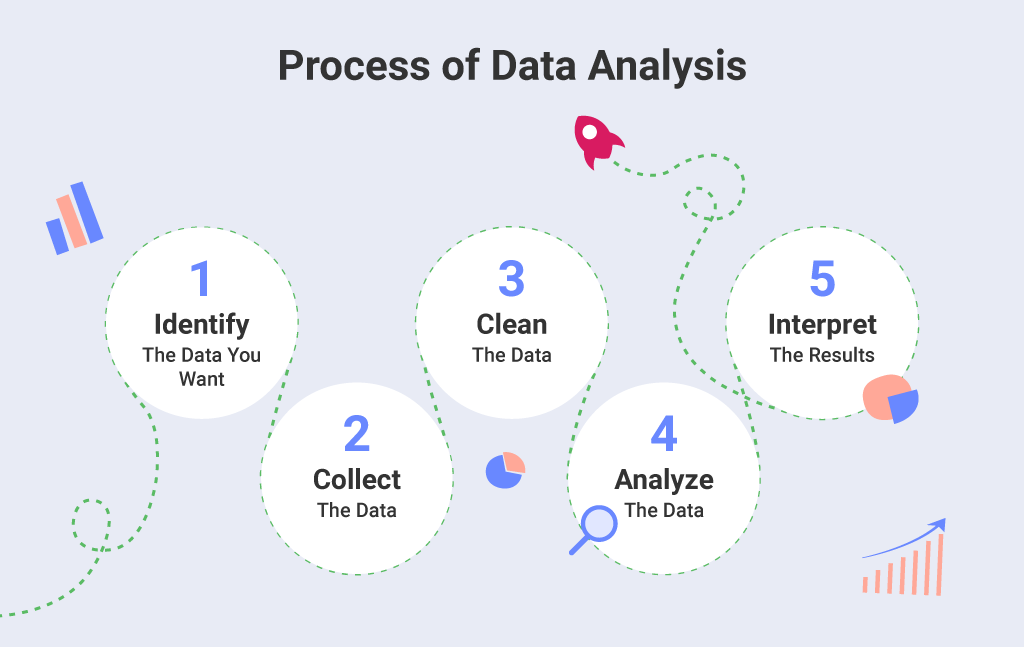
Step 5: Sharing Your Wisdom (Reporting and Presentation)
You've analyzed your data, found some amazing insights, and now it's time to share your findings with the world! Or, you know, at least with your boss, your classmates, or your cat (they're surprisingly good listeners). Create a report, presentation, or even just a simple email summarizing your findings. Use clear and concise language, and don't forget to highlight the key takeaways.
Bonus points: Use visuals to illustrate your points. A well-designed graph can make even the most complex data understandable.
Conclusion: You Got This!
Analyzing data net resources can seem daunting at first, but it's a skill that's becoming increasingly valuable in today's world. By following these steps, you can turn the internet's vast ocean of information into actionable insights. So go forth, explore the data landscape, and uncover hidden treasures! Remember, every data journey starts with a single click (and maybe a strong cup of coffee). You've got the tools, you've got the knowledge, and you've definitely got the potential. Now go out there and make some data magic happen!