
How To Add An Outlet To An Existing Circuit

Ever feel like your walls are whispering, "More power! More outlets!"? You're not alone. We all have that one spot, that digital dead zone, just begging for an electrical oasis. Guess what? Turning that barren space into a fully functional power hub might be easier (and more fun!) than you think.
The Thrill of the Hunt (For the Right Wire!)
First things first, you become a detective! A wiring detective. You're on the hunt for an existing outlet, one that's willing to share its electrifying goodness. Think of it as finding the perfect donor for your power-hungry project. You'll need to carefully examine the existing outlet. It's kind of like choosing the perfect partner for a dance – you want someone compatible and strong. Finding the right spot sets the stage for success.
Once you've identified your electrical benefactor, the real fun begins. Armed with your trusty tools – think screwdrivers, wire strippers, and maybe a voltage tester (safety first, always!) – you're about to embark on a journey into the heart of your home's electrical system. Don't worry, it's not as scary as it sounds. It's more like exploring a hidden world, a network of wires pulsating with energy.
Must Read
Wiring Wizardry: Connecting the Dots (Literally!)
Now, for the main event: connecting the new outlet. It's like assembling a tiny, powerful puzzle. You'll be matching colors, twisting wires, and making sure everything is snug and secure. Each connection is a mini-victory, a spark of accomplishment (pun intended!).
Think of the wires as threads, and you're weaving them together to create a new pathway for electricity. Black to black, white to white, and green to green – it's like a secret code, a language spoken fluently by electricians (and soon, by you!). The satisfaction of seeing those wires perfectly aligned, ready to deliver power, is truly unmatched.
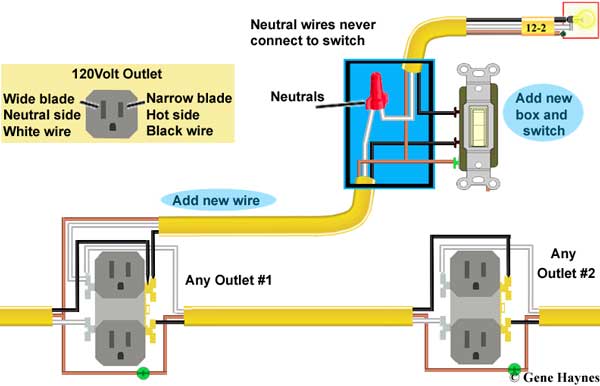
And don't forget the ground wire! It's the unsung hero, the silent protector, ensuring that everything runs smoothly and safely. Giving the ground wire its proper place feels good.
The Big Reveal: Let There Be Light (and Power!)
The moment of truth arrives! With everything wired up and secured, it's time to flip the breaker back on and test your handiwork. The anticipation is palpable. Will it work? Will your new outlet spring to life, ready to charge your phone, power your lamp, and banish that digital dead zone forever?
And then… success! The little light on your phone charger glows, the lamp illuminates the room, and you bask in the glory of your electrical prowess. You've conquered the wires, tamed the electricity, and brought power to a once-forgotten corner of your home. It's an exhilarating feeling!

It's not just about adding an outlet; it's about taking control, about learning something new, and about empowering yourself to make your home a little bit better, a little bit more functional, and a whole lot more convenient.
Safety First, Fun Always
Of course, safety is paramount. Before you even think about picking up a screwdriver, make sure you've turned off the power at the breaker. Double-check, triple-check, and then check again! Treat electricity with respect, and it will reward you with its endless possibilities. Consider consulting a qualified electrician if you feel uncomfortable or unsure about any part of the process.

But don't let fear hold you back. With a little preparation, some careful planning, and a healthy dose of curiosity, you can transform yourself into an electrical extraordinaire. Adding an outlet isn't just a chore; it's an adventure, a challenge, and a chance to unleash your inner DIY superhero. And who knows, you might just discover a newfound passion for all things electrical. Just remember the color codes. Black, White, and Green.
So, are you ready to roll up your sleeves, grab your tools, and embark on this electrifying journey? Your walls are waiting, your devices are thirsty, and the power is in your hands! Go forth and conquer, my friend!
You might even want to make sure you use the proper materials, like
14-2 or 12-2 wiredepending on your circuit's breaker rating. And definitely, definitely get yourself a good non-contact voltage tester.
