
How Often To Pump Septic Tank Family Of 3

Ever paused, coffee in hand, gazing at your pristine lawn, and wondered what mysterious operations might be happening beneath your very feet? For many of us living beyond the city sewer lines, there's a whole world of quiet diligence happening underground: the
Yet, there’s a surprising amount of
The Septic System: Your Home’s Personal Ecosystem
Before we talk about pumping, let’s quickly marvel at what your septic tank actually
Must Read
Heavier solids settle to the bottom, forming what's affectionately known as
Why Pumping Is Like Giving Your House a Health Check
So, if the bacteria are doing their job, and everything's flowing, why does it need
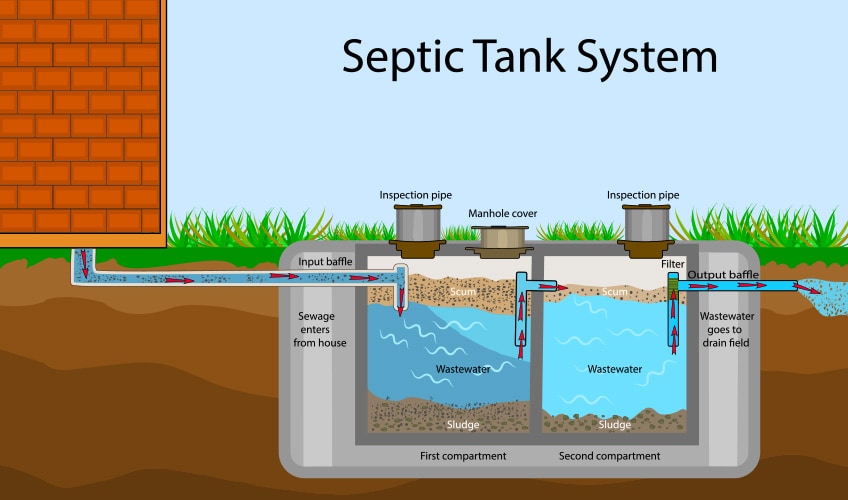
If these layers get too thick, they start to take up too much space, meaning less room for the wastewater to separate properly. This can lead to solids escaping into your drain field, which is a big no-no. It can clog the soil, reduce its ability to absorb water, and eventually cause sewage to back up into your house or pool in your yard. Yikes!
Pumping is simply the process of having a professional come and remove those accumulated sludge and scum layers. It's like emptying the filter on your fancy coffee machine, or cleaning out your vacuum cleaner – essential maintenance to keep everything running smoothly and prevent much bigger, smellier, and more expensive problems down the line. It's about protecting your investment, your home, and your peace of mind.

The "Family of 3" Equation: What’s Your Number?
Now, to the core question:
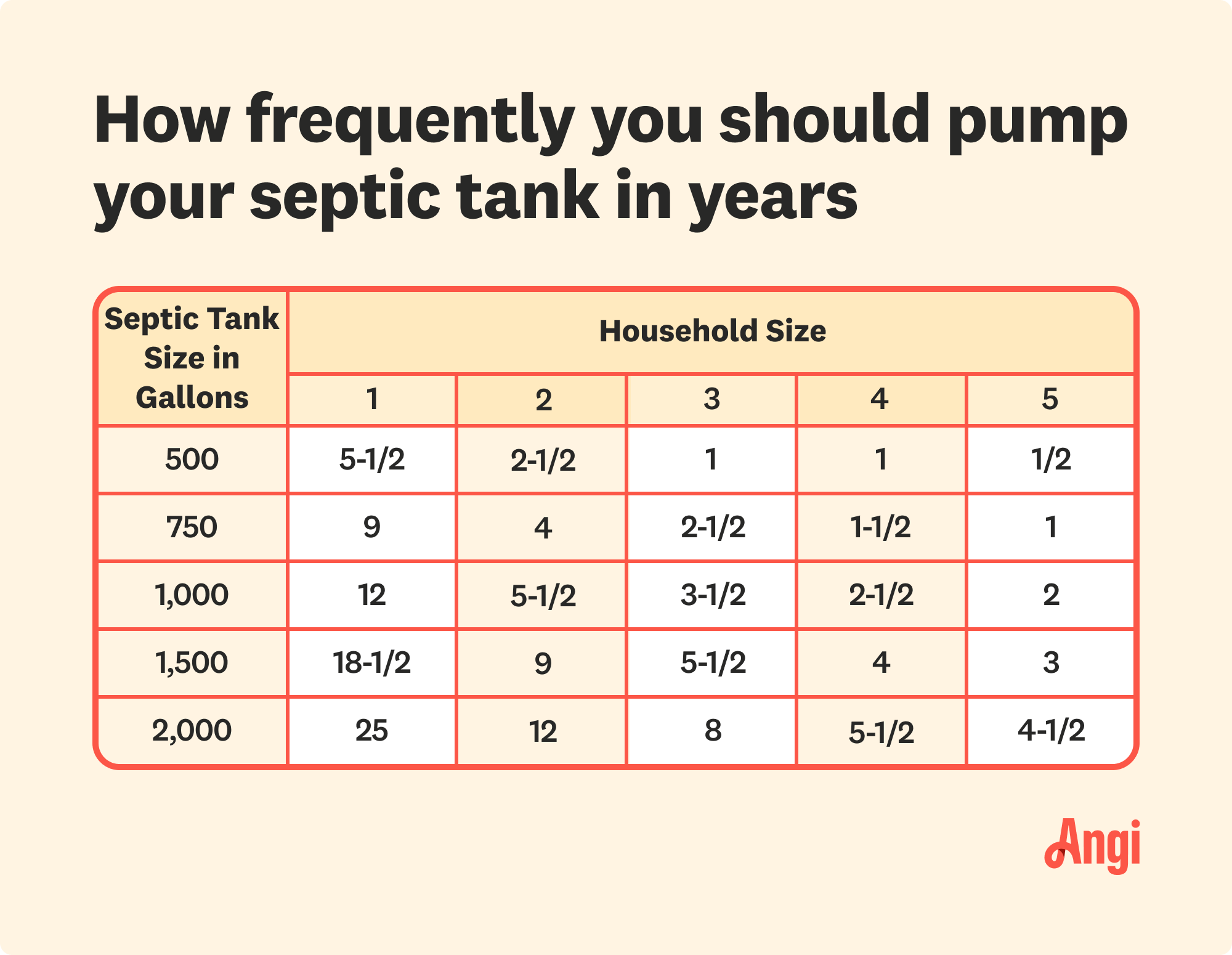
For a family of three, the general rule of thumb often suggested by experts is to have your septic tank pumped every three to five years.
But wait, there's more to consider!

- Septic Tank Size: A larger tank (say, 1,500 gallons) will naturally have more capacity to hold solids than a smaller one (e.g., 1,000 gallons). A bigger tank for a family of three means you might lean towards the longer end of that 3-5 year range.
- Water Usage Habits: Are you a household of quick showers, or does everyone enjoy long, luxurious baths? Do you do laundry every day, or only a couple of times a week? Higher water usage means more wastewater entering the tank, which can stir up solids and potentially accelerate sludge buildup. Being mindful of water conservation isn't just good for the environment; it's good for your septic system too!
- What Goes Down the Drain: This is a biggie! Your septic tank is not a garbage disposal. Pouring grease, harsh chemicals, excessive food scraps, or flushing non-biodegradable items (like wet wipes, even if they claim to be "flushable") can severely impact the bacterial balance and speed up sludge accumulation. Remember, your septic tank has a delicate ecosystem!
- Garbage Disposal Use: If you use a garbage disposal frequently, you're sending more solid waste into your tank, which means it will fill up with sludge faster. This might push your pumping frequency towards the shorter end of the 3-5 year spectrum, perhaps every 2-3 years.
So, for our hypothetical family of three, if you have a standard 1,000-1,250 gallon tank, are reasonably water-conscious, and don’t abuse your drains with grease or excessive food waste, aiming for every 3-5 years is a fantastic starting point. If you have a larger tank or are particularly diligent, you might stretch it a bit. If you use a garbage disposal often or have an older, smaller tank, you might need to lean closer to the 3-year mark.
Signs It Might Be Time (Before It's Too Late!)
While adhering to a schedule is smart, your septic system might give you little hints that it's ready for its spa day.
- Slow Drains: Are your sinks gurgling or draining slowly, even after you’ve tried a plunger? This could be an early warning sign.
- Gurgling Toilets: Similar to slow drains, gurgling sounds from your toilet when you flush or from other drains can indicate an issue.
- Unpleasant Odors: If you start to notice foul smells around your drain field or, even worse, inside your house, it’s a strong indicator that something isn't right.
- Standing Water in the Drain Field: Puddles in your yard where your drain field is located, especially after little rain, are a big red flag.
- Lush, Green Patches: Ironically, if a specific area of your lawn (over the drain field) looks unusually lush and green compared to the rest, it could be getting extra "fertilizer" from a failing system.
Don't ignore these clues! Catching a problem early can save you a lot of hassle and expense.
The Takeaway: Be Curious, Be Proactive
Ultimately, understanding your septic system doesn’t have to be a chore. It’s an opportunity to appreciate another piece of your home that works tirelessly for your comfort. For a family of three, the sweet spot for septic tank pumping is generally every 3 to 5 years, but it’s really about knowing your system, your habits, and listening to the subtle clues your home might be giving you.
Consider getting an inspection if you're unsure, especially if you've recently moved into a new home. A professional can assess the sludge and scum levels and give you a more precise recommendation for your specific situation. A little bit of curiosity and proactive maintenance goes a long, long way in keeping your home's hidden hero doing its job, silently and effectively, for years to come.