
How Often To Change Carbon Monoxide Detector

Hey there, home heroes! Let's chat about something that’s super important, but honestly, we probably don't think about it nearly enough. No, not that growing pile of laundry (though, phew). I'm talking about your carbon monoxide detector! Yes, that little device quietly standing guard, waiting to be your personal invisible gas bodyguard. And guess what? Even superheroes have expiration dates.
It's easy to just plug 'em in or stick 'em up and then… forget 'em. Out of sight, out of mind, right? Until that random, late-night CHIRP makes you leap out of bed, convinced it's an intruder, only to find out it's just a low battery. Happens to the best of us! But today, we're diving into an even deeper mystery: How often do you actually need to swap out that CO detector? It's a question filled with more intrigue than a spy novel, trust me.
The Sneaky Guest: Carbon Monoxide
First, a quick refresher on our invisible villain. Carbon monoxide, or CO, is like the ultimate party crasher you never invited. It's an odorless, colorless, tasteless gas. Basically, it’s a master of disguise! Produced by burning fuels (think furnaces, gas stoves, cars, fireplaces), it can be super dangerous if it builds up. Your detector is like a tiny, vigilant nose, sniffing out trouble long before you ever would. Pretty cool, huh?
Must Read
Because you can't see, smell, or taste it, your detector isn't just a gadget; it's a guardian angel. It's the unsung hero of your household, patiently waiting to let out that ear-splitting wail if things go sideways. So, treating it right is just good karma. And part of treating it right means knowing when its watch is up!
So, How Often Does This Lifesaver Need a Refresh?
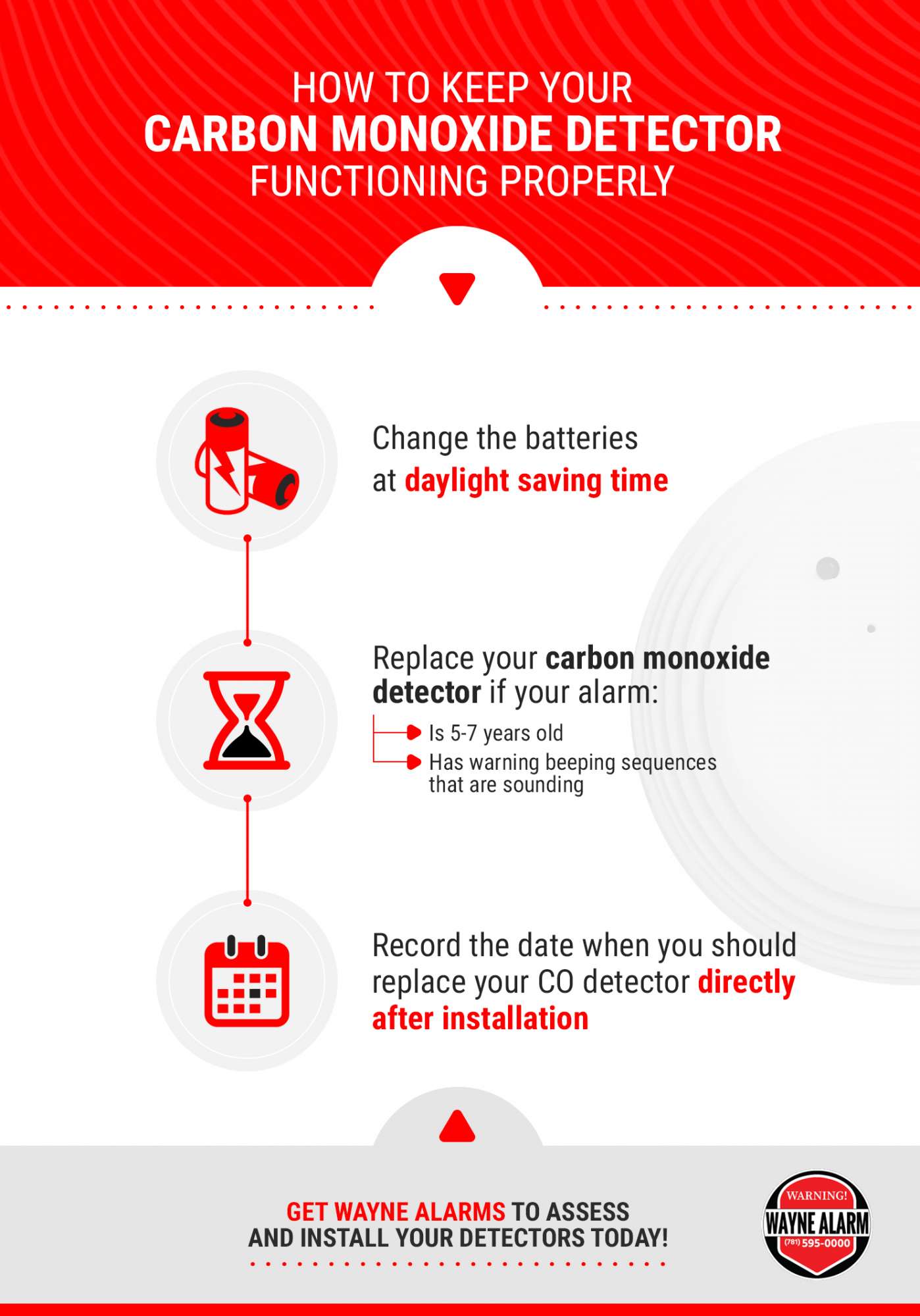
Alright, drumroll please! For most residential carbon monoxide detectors, the magic number is usually between 5 to 7 years. That's right! They don't last forever. Imagine buying a super cool gadget, expecting it to run flawlessly forever, only to find out it's got a secret expiry date. Well, that's your CO detector!
It's a common misconception that as long as the battery works, the detector is fine. Nope! That's like saying your car is good to go just because the radio still plays. There's a lot more under the hood (or in this case, inside the plastic casing) that matters.

Different brands and models might vary slightly, so it’s always a good idea to double-check the manufacturer's recommendations. But generally, if it’s been more than seven years, your little silent guardian is probably ready for retirement.
Why Can't It Just Last Forever? The Great Sensor Mystery!
Here's where it gets really interesting and a little bit quirky. Why the expiration date? Is it just trying to make us buy more? Not at all! The reason is all about science, specifically the sensor inside the device.
Most CO detectors use an electrochemical sensor. This sensor contains a chemical solution that reacts with carbon monoxide. Over time, this chemical solution simply degrades. It's like a tiny battery that’s constantly working, even when it’s not detecting CO. It's just naturally wearing out, much like a well-loved pair of sneakers or that trusty old coffee machine. It performs its duty diligently, but eventually, its internal components just... tire out.
Think of it this way: the sensor is constantly sniffing, reacting, and processing, even if it's never had to shout for help. It’s like a marathon runner on standby, always ready to sprint, but eventually, their knees give out. If the sensor is past its prime, it might not be able to accurately detect dangerous levels of CO, or worse, it might give you a false sense of security. And that’s a risk we definitely don’t want to take.
Finding That Super Secret Expiration Date
So, how do you find out when your particular detector is ready to hang up its cape? It's not usually emblazoned on the front in giant letters (though, wouldn't that be helpful?). Instead, you'll need to do a little detective work.
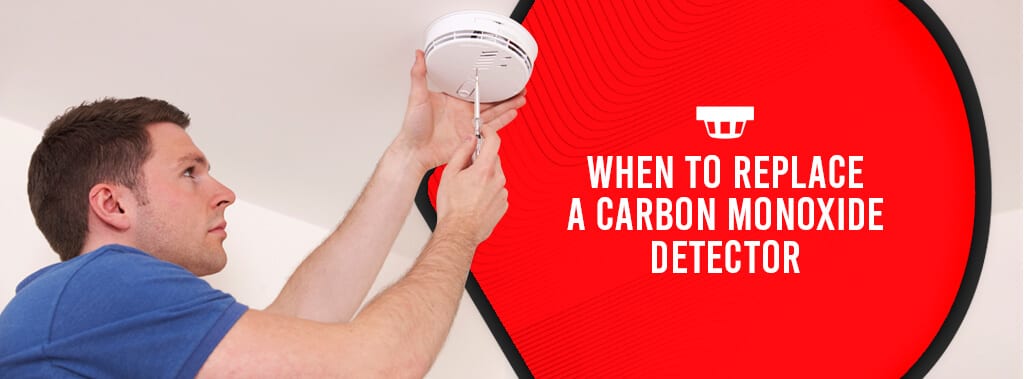
Look on the back or side of your detector. There should be a label with a "replace by" date or a "manufacture date." If it's a manufacture date, you simply add 5-7 years to figure out its expiry. Write it down! Stick a note on your calendar! Make it a yearly ritual to check all your detectors. It's strangely satisfying, like cleaning out your fridge after a long time – you know it needed doing!
Beyond the Expiration: Battery Shenanigans
Of course, the sensor's lifespan is separate from your battery's life. Even if your detector is new, those batteries still need checking! Most manufacturers recommend testing your detectors monthly (just press that "test" button!) and replacing alkaline batteries annually. If you’ve got those fancy 10-year sealed-in lithium batteries, well, you’re golden until the whole unit expires!
That low-battery chirp, annoying as it is, is actually a beautiful symphony of safety. It's a reminder that your little guardian is working hard, even if it just needs a fresh snack of AAAs. Don’t ignore it! Silence that chirp with fresh batteries, then give yourself a pat on the back.
Making It a Fun Household Chore!
Okay, "fun" might be a strong word for checking expiration dates, but hear me out. Make it a game! Get the kids involved (safety scavenger hunt!). Or pair it with another household chore you actually enjoy – like putting on your favorite playlist and dancing around while you check each detector. Make it a special "detector date" with your significant other. High fives all around for being proactive and safe!

Think of it as giving your home a little health check-up. You check your car's oil, you clean your gutters, you (hopefully) remember your dental appointments. Why should your home’s silent protector be any different? Giving it a regular check-up and replacement ensures it's always ready to do its job.
Bottom Line: Be a Home Hero!
So, the next time you glance at that unassuming plastic box on your wall or ceiling, give it a little nod of appreciation. Then, go ahead and flip it over (if it's easy to reach, of course!) and find that magical "replace by" date. Being aware and proactive about replacing your carbon monoxide detectors every 5 to 7 years is one of the simplest, yet most impactful, things you can do for your family's safety.
It's not just about compliance; it's about being a savvy homeowner, a protector, and hey, someone who knows a quirky fact or two about household gadgets. So go forth, check those dates, and sleep soundly knowing your home is guarded by a vigilant, up-to-date hero!