How Often To Change Carbon Monoxide Detector Batteries

Hey there! Grab a mug, pull up a chair. So, we need to chat about something that’s probably blinking away quietly in your hallway right now, possibly gathering dust bunnies. You know, that little guardian angel of a gadget? Yep, I’m talking about your carbon monoxide detector.
We’re all grown-ups here, right? We pay our bills, we (mostly) remember to water our plants. But when it comes to those little life-savers, sometimes they just… slip our minds. No judgment! We've all been there. It’s not exactly the most exciting topic for your Sunday brunch conversation, is it?
But here’s the thing, and I promise I’ll keep it light: Carbon monoxide, or CO as the cool kids call it, is a total sneaky ninja. You can’t see it, you can’t smell it, you can’t taste it. It’s like the ultimate silent party crasher, and trust me, it’s not bringing good vibes or snacks. That’s why your detector is your absolute bestie in this situation. It’s literally the only thing that can tell you, "Hey, maybe don't breathe that in!"
Must Read
So, How Often Do We Actually Change Those Batteries?
Ah, the million-dollar question! Or, more accurately, the five-dollar battery question. If you’re anything like me, you probably think about it once a year, maybe. Or when it starts doing that utterly obnoxious, tiny little chirp at 3 AM. (Seriously, why is it always 3 AM? It’s like they know.)
The official, no-nonsense answer from the folks who really know their stuff (and probably don't enjoy being woken up at 3 AM either) is pretty straightforward: you should be swapping out those batteries at least once a year. Annually. Every twelve months. Ring a bell, mark it on the calendar, get a tattoo if you must!

And here’s a super handy trick that’s almost genius in its simplicity: Link it to a routine. The most popular one? Daylight Saving Time. When you "spring forward" or "fall back" with your clocks, that’s your golden opportunity. Change your smoke detector batteries, change your CO detector batteries. It’s a two-birds-one-stone kind of deal. Plus, you’re already fiddling with clocks, so why not add another quick chore to the list? Your future self will thank you for not having to play "what’s that noise?" in the dead of night.
Don't Wait for the Chirp!
Remember that annoying chirp I mentioned? That's not a friendly reminder. That's your detector screaming, "I’m dying! Please help me, I have one bar left!" Think of it like your phone when it hits 1%. You wouldn't wait for that to charge it, would you? (Okay, maybe you would, but you shouldn't!) Your CO detector batteries are no different. They deserve a fresh start before they're gasping their last electronic breath.
Why is this so important? Because a dead battery means a dead detector. And a dead detector means you're flying blind against that invisible, odorless threat. Not exactly ideal, right?

So, proactive battery changes are where it's at. It takes literally minutes. Seriously, set a timer. You could probably do it while waiting for your coffee to brew. Probably even faster than reading this whole article!
But Wait, There's More! (The Whole Unit Thing)
Okay, deep breaths. This isn’t just about batteries. Your carbon monoxide detector itself has a shelf life. It’s not like that trusty old toaster that's been in your family for generations. These gadgets have sensitive internal sensors that wear out over time.

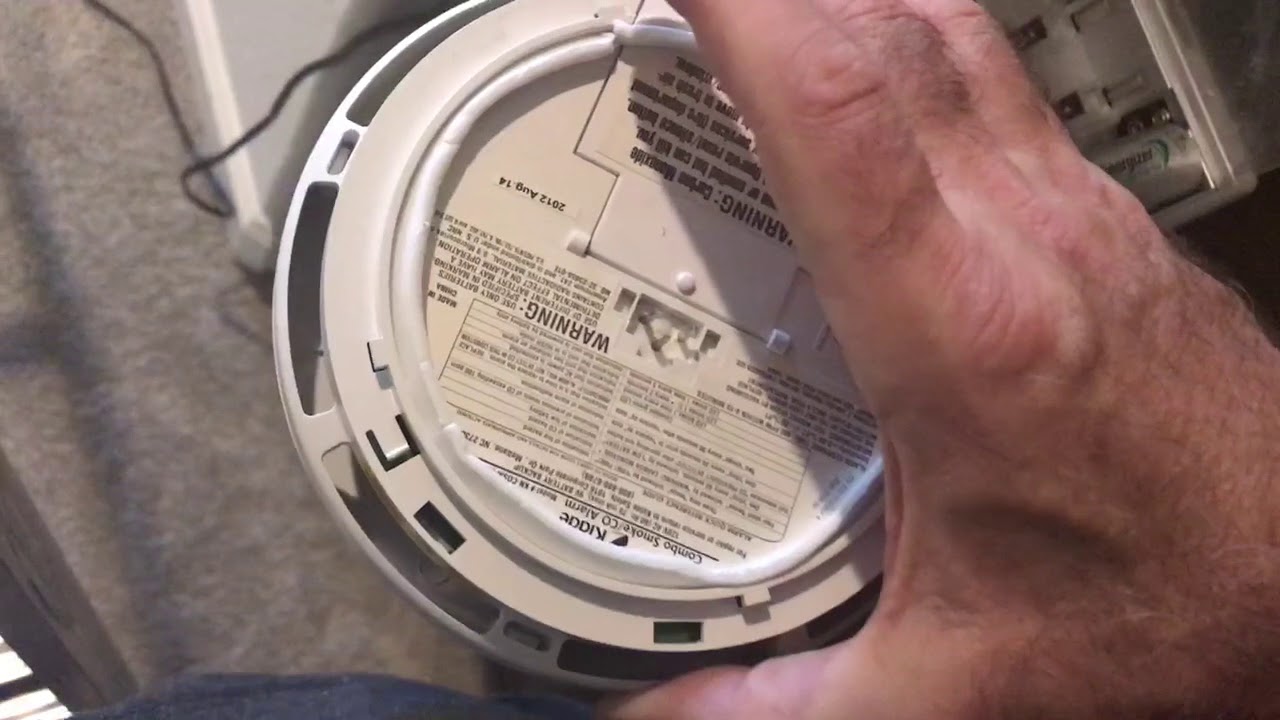
Most CO detectors are good for about 5 to 7 years, though some newer models might stretch to 10. How do you know? There's usually a manufacturing date printed right on the back. So, while you're up there changing the battery, give the unit a quick flip. If it's pushing past its prime, it might be time to replace the whole shebang. Because even with fresh batteries, an old, tired detector just isn't doing its job as well.
Quick Recap for Your Busy Brain:
- Batteries: Swap 'em out at least once a year. Daylight Saving Time is your BFF here.
- Chirping: That's an emergency, not a suggestion! Change those batteries ASAP.
- Detector Unit: Check the manufacture date. Most last 5-7 years. If it's older, replace the entire unit.
- Test Button: Press it monthly! Just to make sure it's awake and paying attention. It’s a little loud, but a quick "BEEP BEEP BEEP" means it's still got some fight in it.
Alright, friend, that's my little safety sermon for the day. It's a small task, but one that makes a truly massive difference. So, next time you’re sipping your coffee, maybe cast a glance at that little box on the wall. Give it some love. Check its battery. Make sure it’s ready to stand guard.
Because peace of mind? Totally worth a few minutes of your time. Now, go forth and be safe!