How Often Should You Replace Your Sump Pump
Ah, the humble sump pump! It’s not exactly the star of your home appliances, rarely gets a shout-out on social media, and certainly isn't inspiring any avant-garde art installations. Yet, this little workhorse is arguably one of the most vital defenders of your home, silently standing guard against the watery apocalypse of a flooded basement. While it won't unleash your inner artist, a well-maintained sump pump certainly unlocks a different kind of creative freedom: the freedom from worry! Knowing your basement is protected means you can truly enjoy your living space, whether it's a cozy family room, a dedicated workshop, or even just storage for your most cherished belongings.
The benefits of a functioning sump pump are crystal clear: peace of mind, preventing costly damage, and maintaining your home's value. Imagine the relief during a heavy downpour, knowing your subterranean guardian is diligently on duty, preventing thousands of dollars in repairs to drywall, flooring, and beloved possessions. It’s an investment in tranquility, saving you not just money, but also untold stress and cleanup headaches. For any homeowner, understanding its lifespan is key to keeping this silent protector in top shape.
So, when should this unsung hero get its well-deserved retirement? There’s no hard and fast rule like 'every five years on the dot,' because a sump pump's lifespan is truly unique. It depends on several factors: how often it runs, the quality of the pump, and even the cleanliness of the pit. A pump in a frequently wet area, tirelessly battling groundwater, will naturally wear out faster than one that springs into action only a few times a year. Typically, experts suggest considering replacement every 7 to 10 years for an average-use pump. However, this is a guideline, not a decree. Keep an eye out for tell-tale signs: if your pump starts making unusual noises (grinding, loud humming), cycles on and off frequently without much water, or simply doesn't turn on when it should, it might be time. Even if it seems okay, an older pump could be a ticking time bomb, ready to fail when you least expect it – usually during the biggest rainstorm of the year!
Must Read
Don't wait for a flood to discover your pump's true age! Here are some simple 'at-home' tips to keep tabs on your system:
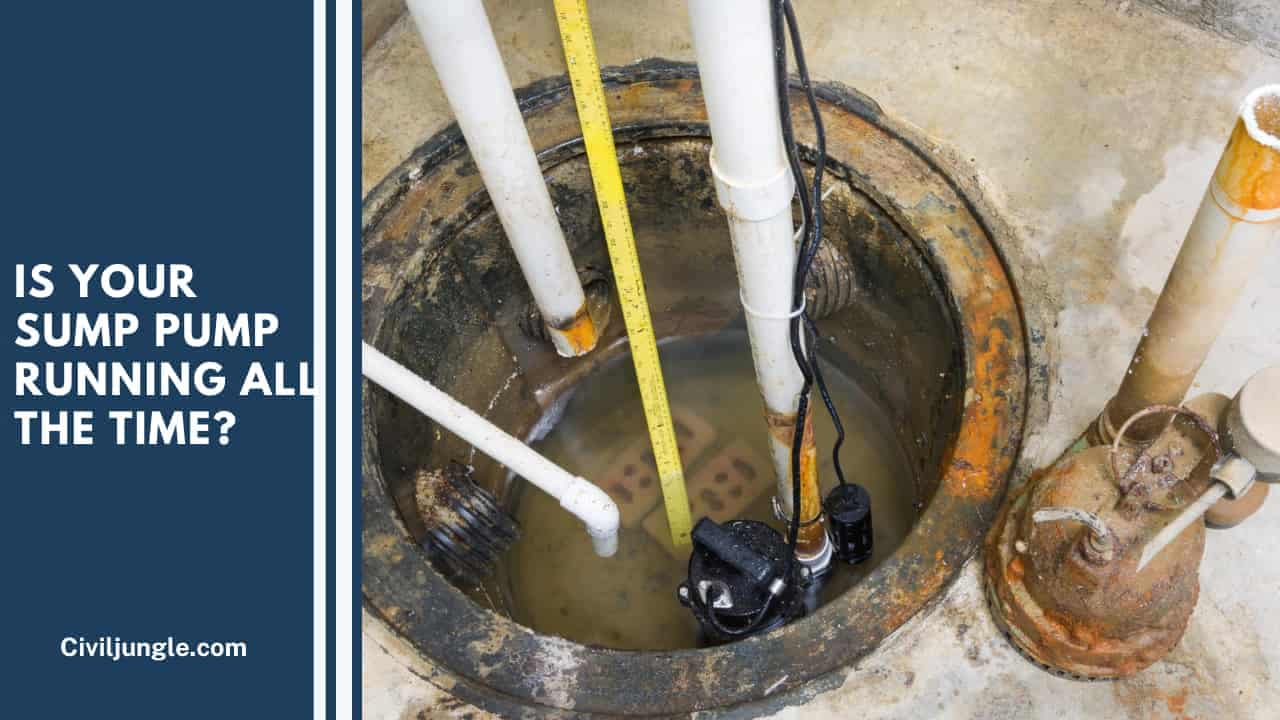
- Test it regularly: Pour a bucket of water into the sump pit to ensure the float switch activates the pump and it drains the water efficiently. Do this every few months, especially before rainy seasons.
- Inspect the pit: Make sure it’s clear of debris, which can clog the pump or obstruct the float switch.
- Listen carefully: Familiarize yourself with the normal operating sounds. Any new grumbles or squeals are red flags.
- Consider a backup: For ultimate peace of mind, especially if you have a finished basement, a battery backup sump pump is an excellent addition, ensuring protection even during power outages.
Replacing your sump pump might not be as glamorous as painting a masterpiece or learning a new instrument, but there's a profound satisfaction that comes from proactive home maintenance. The enjoyment isn't in the act itself, but in the peace of mind it brings. It's the quiet joy of a dry, protected home, allowing you to relax, pursue your true passions, and create memories, without the looming shadow of water damage. So, give your humble sump pump a little thought; it works hard so you don't have to worry hard!